
The most useful winter mood plan is simple: get bright light early, move your body before the day disappears, and track your mood long enough to see a pattern. A light therapy lamp can help, but it cannot replace treatment for depression, and a daily walk often does more than people expect.
Winter Blues or Seasonal Depression? Name the Problem First
“Winter blues” can mean a few gray days, low energy after work, or a deeper pattern that returns every fall. The difference matters because the right response changes with the severity and duration of the symptoms. Mild sadness may improve when you add daylight, movement, regular meals, sleep, and contact with other people. A depressive episode needs professional support, even if the symptoms appear only in winter.
When low mood needs medical attention
Seasonal affective disorder, or SAD, is a form of depression with a recurring seasonal pattern. Common winter symptoms include sleeping too much, losing interest in normal activities, withdrawing from friends, craving high-carbohydrate foods, gaining weight, and struggling to concentrate. If these symptoms last more than two weeks, interfere with work or relationships, or keep getting worse, book an appointment with a doctor or mental health professional. If you have thoughts of suicide or feel unable to stay safe, call emergency services or a crisis line immediately.
What to track for seven days
Use a notebook or phone note and record your wake time, outdoor light exposure, movement, bedtime, energy from 1 to 10, and mood from 1 to 10. Add a short note about alcohol, illness, major stress, and social contact. This does not diagnose anything. It gives you useful evidence instead of forcing you to guess how the season is affecting you.
A clear seasonal pattern often shows up as lower mood after several dark mornings, late bedtimes, and little movement. That pattern points toward a routine change. A steady decline in mood despite those changes points toward professional care.
Why Morning Light and Movement Change Winter Mood
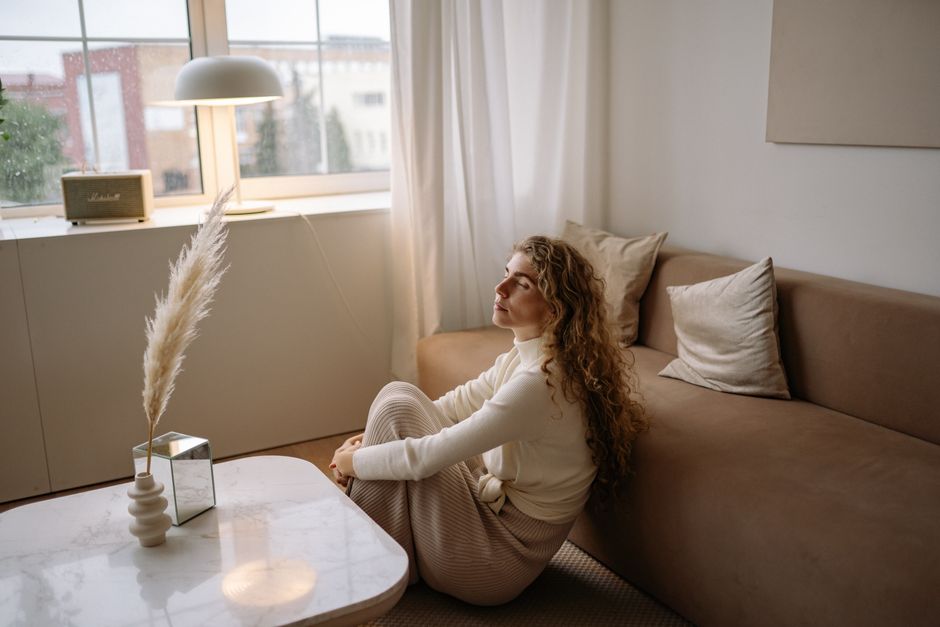
Winter affects mood through more than temperature. Shorter days reduce the amount of bright light reaching the eyes, especially for people who commute before sunrise and leave work after sunset. Light helps set the body’s daily clock, which influences alertness, sleep timing, and hormone release. When the clock drifts later, a person may feel sleepy in the morning, wired at night, and tired throughout the day.
Light gives the body a strong time signal
Ordinary indoor lighting is often much dimmer than outdoor daylight. A proper light therapy box delivers a controlled dose of bright, UV-filtered light. The usual clinical starting point for winter-pattern SAD is a 10,000-lux box used in the morning, often for about 20 to 30 minutes, with the eyes open but not staring directly at the light. Distance matters. A lamp that produces 10,000 lux at 12 inches may deliver far less at 24 inches, so the manufacturer’s distance instructions matter as much as the number on the box.
Morning use makes the strongest practical sense because bright light late at night can push the body clock later and make sleep harder. A person who already struggles to fall asleep should not place a bright therapy lamp beside the bed for evening use.
Movement adds a second route to a better day
Exercise does not need to be intense to help. A brisk 20-minute walk can raise body temperature, reduce physical tension, improve sleep pressure, and create a reason to leave a dark room. Outdoor movement also combines two inputs: physical activity and daylight. That pairing is why a lunchtime walk can feel more useful than the same number of steps taken indoors under dim lights.
The weekly target for adults is at least 150 minutes of moderate activity, but a person with low energy should start below that if needed. Five minutes counts. Ten minutes counts. The winning plan is the one that still happens on a cold Tuesday morning.
A 30-Day Morning Plan for Light, Movement and Mood
Build the habit around an existing event, such as breakfast, the first cup of coffee, or opening your laptop. Do not wait for motivation. Set the lamp or shoes out the night before, then let the routine carry you through the first step.
- Days 1–3: Wake at a consistent time within a 30-minute range. Spend 10 minutes near a bright window or outside, then take a five-minute walk. Record mood, energy, and sleep.
- Days 4–7: Increase the outdoor walk to 10 or 15 minutes. If outdoor light is unavailable, use a correctly rated light therapy box according to its instructions. Keep the session in the morning.
- Week 2: Aim for 20 to 30 minutes of moderate movement on five days. Keep one easy day for stretching, gentle mobility, or a slow walk. Do not turn a missed day into a reason to quit.
- Week 3: Add one social anchor, such as walking with a friend, attending a class, or calling someone during a walk. Mood improves more reliably when the routine includes contact with other people.
- Week 4: Review the numbers. Keep the parts linked with better mood and sleep. Change one weak point, such as moving the lamp closer according to the manual, walking earlier, or setting a firmer bedtime.
| Time | Action | Purpose |
|---|---|---|
| 7:00 a.m. | Wake and drink water | Start the daily clock at a consistent time |
| 7:10 a.m. | Morning light session or outdoor light | Give the eyes a strong early-day light signal |
| 7:30 a.m. | 10 to 20 minute brisk walk | Raise alertness and support mood |
| 12:30 p.m. | Five-minute movement break | Break up long sitting and prevent an afternoon slump |
| 9:30 p.m. | Dim lights and stop stimulating work | Protect sleep timing |
This plan does not promise a mood lift overnight. Give a consistent routine at least two weeks before judging it, unless symptoms worsen sooner. A simple schedule beats a perfect plan that requires a long workout, a sunny day, and a free morning.
Light Therapy Mistakes That Quietly Ruin Results
The biggest mistake is buying a bright-looking lamp without checking the measured lux at the working distance. A pretty desk lamp may improve a room while delivering nowhere near the light level used in clinical guidance. The second mistake is using a proper box at the wrong time, then wondering why sleep becomes worse.
- Starting too aggressively: Begin with the manufacturer’s schedule or a shorter session if the brightness causes headache, eye strain, nausea, or agitation. Increase gradually rather than forcing a long first session.
- Staring directly at the LEDs: Place the lamp slightly to the side and keep your eyes open. The light should reach your eyes without turning the session into a staring contest.
- Ignoring distance: Measure the space with a tape measure. Moving a lamp twice as far away can reduce the light reaching your eyes by much more than many buyers expect.
- Using it at night: Morning is the safer default for winter mood and sleep timing. Late-evening bright light can make falling asleep harder.
- Skipping UV and eye-safety checks: Choose a product designed for bright light therapy that filters UV. Skin-treatment lamps are a different category and may expose the eyes to harmful ultraviolet light.
- Quitting after three sessions: Track symptoms for two weeks unless side effects appear. A routine needs repetition before you can judge it fairly.
If a light causes worsening mood, unusual energy, racing thoughts, reduced need for sleep, or strong agitation, stop and contact a clinician. People with bipolar disorder, eye disease, or medicines that increase light sensitivity should ask a health professional before starting.
When a Lamp Is the Wrong Answer

What if the sadness is not seasonal?
If low mood began after a loss, work crisis, illness, relationship change, or another major event, a lamp may support your routine but may not address the main problem. Depression can happen in any season. A clinician can check symptoms, sleep, medication effects, alcohol use, thyroid problems, and other causes that a bright light cannot fix.
What if light and walking do not help?
Do not keep adding more light or longer workouts as though effort alone will solve it. If symptoms last more than two weeks, daily tasks feel difficult, or your mood keeps falling, seek professional care. Cognitive behavioral therapy adapted for seasonal depression can help change winter-related habits and thoughts. Medication may also be appropriate. These options can work alongside light therapy, but they require a personal medical assessment.
What if a person cannot exercise outdoors?
Use an indoor route, a shopping center, a stationary bike, chair exercises, gentle strength training, or short movement breaks. The goal is regular movement, not a particular sport. A person with pain, disability, heart disease, pregnancy, or another health condition should ask a clinician or physical therapist how to increase activity safely.
The dark morning that makes winter feel endless does not need a heroic solution. Start with a consistent wake time, bright early-day light, and a short walk you can repeat. If that routine lifts energy and mood, keep it. If the heaviness remains, let the pattern point you toward real treatment rather than blaming yourself for not trying hard enough.
Always consult a qualified healthcare professional before making health-related decisions.