
You’re lying in bed at 2:47 AM. Again. Your brain is running a highlight reel of every awkward conversation from 2019. The over-the-counter sleep aid you took an hour ago did nothing. Maybe it made things worse — that groggy, hungover feeling without the actual sleep.
This is the reality for roughly 30% of adults who experience insomnia symptoms. And the standard advice — “try melatonin,” “drink warm milk,” “count sheep” — often fails because it doesn’t address the root cause. Here’s what the 2026 research actually says about fixing insomnia naturally, without prescription medications.
What Actually Causes Chronic Insomnia? (The Root Mechanism)
Insomnia isn’t a melatonin deficiency. It’s not a magnesium deficiency either. At its core, chronic insomnia is a problem of hyperarousal — your brain’s alarm system stuck in the “on” position.
Your central nervous system has two branches: the sympathetic (fight-or-flight) and the parasympathetic (rest-and-digest). Insomnia happens when the sympathetic branch refuses to hand over the reins. Your body stays primed for danger, even when you’re safe in bed.
The 24-Hour Cycle Most People Miss
Sleep isn’t something you “make happen” at bedtime. It’s the endpoint of a 16-hour preparation process. Every cup of coffee at 3 PM pushes your sleep later. Every hour of bright light after sunset delays melatonin release. Every stressful email checked before bed keeps cortisol elevated.
This is why a single “sleep hygiene” fix rarely works. You need to address the whole system, not just the last 30 minutes before bed.
7 Natural Insomnia Remedies With Real Science Behind Them

These aren’t folk remedies. Each intervention below has at least one randomized controlled trial supporting its use. I’ve ranked them by strength of evidence and practicality.
| Remedy | How It Works | Evidence Level | Best For |
|---|---|---|---|
| Cognitive Behavioral Therapy for Insomnia (CBT-I) | Restructures thoughts about sleep + regulates sleep schedule | Strong — more effective than sleeping pills long-term | Chronic insomnia lasting >3 months |
| Morning sunlight exposure (30 min within 1 hr of waking) | Sets circadian clock, increases melatonin production 14-16 hours later | Strong — multiple RCTs | Delayed sleep phase, trouble falling asleep |
| Blue light blocking glasses (starting 2-3 hrs before bed) | Prevents melatonin suppression from screens and LED lights | Moderate — consistent effect in meta-analyses | Screen-heavy evenings, shift workers |
| Magnesium glycinate (200-400 mg, 1 hr before bed) | Binds to GABA receptors, relaxes muscles | Moderate — small but consistent effect in trials | Restless legs, muscle tension, anxiety-related insomnia |
| Weighted blanket (10-12% of body weight) | Deep pressure stimulation lowers cortisol and heart rate | Moderate — 2026 RCT showed 60% reduction in insomnia severity | Anxiety-driven insomnia, sensory seekers |
| Temperature drop (cool bedroom to 65-68°F / 18-20°C) | Core body temperature must drop 1-2°F to initiate sleep | Strong — physiological necessity | Night sweats, hot sleepers, menopausal insomnia |
| L-Theanine (100-200 mg, as needed) | Increases alpha brain waves (relaxed but alert state) without sedation | Moderate — works best for mild anxiety, not severe insomnia | Racing thoughts, pre-sleep anxiety |
4 Common Mistakes That Make Insomnia Worse
Most people try the wrong things first. Here’s what to stop doing immediately.
Mistake #1: Taking Melatonin Like a Sleeping Pill
Melatonin is a timing hormone, not a sedative. Taking 10 mg at midnight when you’ve been scrolling TikTok since 10 PM is like trying to park a car by flooring the accelerator. The standard dose of 0.5-3 mg taken 1-2 hours before desired bedtime works better than high doses. Higher doses (5-10 mg) can cause next-day grogginess and vivid nightmares.
Mistake #2: Lying in Bed Awake for Hours
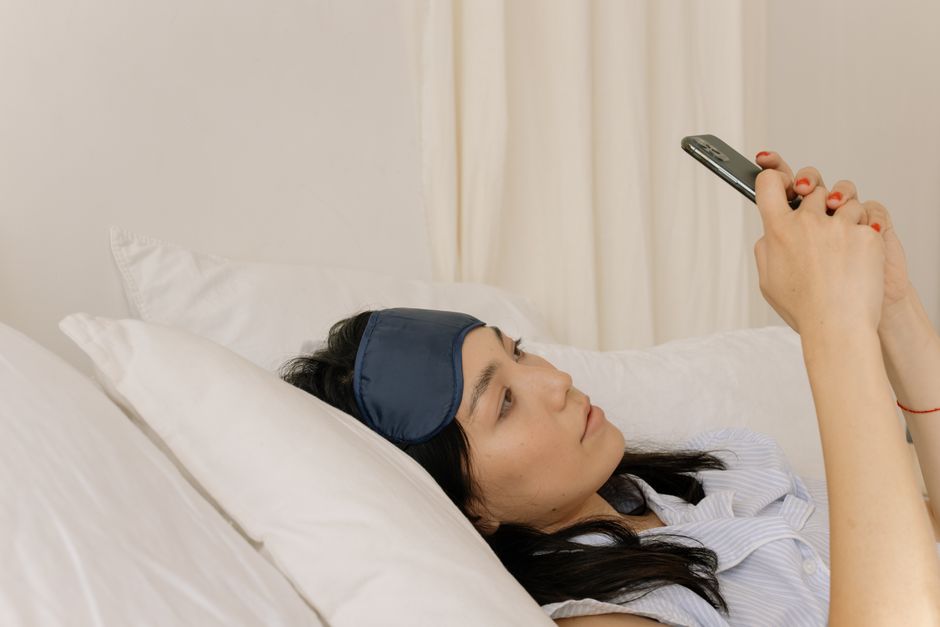
This trains your brain to associate bed with wakefulness. The rule is simple: if you’re not asleep within 20-25 minutes, get up. Go to another dimly lit room. Read a boring book. Do not check your phone, do not eat, do not turn on bright lights. Return to bed only when you feel sleepy again.
Mistake #3: Using Alcohol as a Sleep Aid
Alcohol helps you fall asleep faster, but it fragments the second half of the night. You get less REM sleep and more light, restless sleep. A 2026 meta-analysis found that even one drink before bed reduced sleep quality by 24%.
Mistake #4: Over-Tracking Sleep With Wearables
Checking your “sleep score” every morning creates performance anxiety around sleep. This is called orthosomnia — a term coined by sleep researchers for people who become obsessed with optimizing their sleep data. The irony is that the anxiety makes sleep worse. If your wearable makes you anxious, take it off for two weeks.
When Natural Remedies Aren’t Enough (And What to Do Instead)

Natural interventions work for most people with mild to moderate insomnia. But they have limits.
If you’ve tried the seven remedies above consistently for 4-6 weeks and still have trouble sleeping most nights, you may need professional help. This is especially true if:
- You have loud snoring or gasping at night (possible sleep apnea)
- You feel intense leg discomfort that improves with movement (possible restless legs syndrome)
- Your insomnia started after a traumatic event or significant life stress
- You have symptoms of depression or anxiety that interfere with daytime function
In these cases, see a board-certified sleep specialist. They can order a sleep study (polysomnogram) and recommend treatments like CBT-I with a therapist, prescription medications for short-term use, or treatment for underlying conditions.
Self-treating sleep apnea with magnesium or weighted blankets won’t work. You need a CPAP machine or oral appliance. Natural doesn’t mean universal.
How to Build a 30-Minute Evening Wind-Down Routine
The most effective natural insomnia protocol combines several of the interventions above into a consistent routine. Here’s a sample schedule that takes about 30 minutes total.
2 hours before bed: Put on blue light blocking glasses. Dim all overhead lights. Switch to lamps or candles. Set bedroom thermostat to 65-68°F.
1 hour before bed: Take magnesium glycinate (200-400 mg) with water. Avoid food within 90 minutes of bedtime — digestion raises body temperature.
30 minutes before bed: Hot shower or bath (the temperature drop after exiting triggers sleep onset). Apply weighted blanket if using one.
15 minutes before bed: Read a physical book (not a screen). No news, no work emails, no social media. Fiction or non-stressful nonfiction only.
Bedtime: Lights out. If awake after 20-25 minutes, get up and repeat the reading step in dim light until sleepy.
This routine works because it addresses multiple mechanisms simultaneously: light exposure, body temperature, muscle relaxation, and mental wind-down. No single element is magic, but the combination is powerful.
You’re not broken. Your sleep system just needs the right conditions. Start with morning sunlight tomorrow. That single change, done consistently, will shift more than any pill ever could.
Medical Disclaimer: This content is for informational purposes only and does not constitute medical advice. Always consult a qualified healthcare professional before making health-related decisions.