
Everyone told me I had to run to lose weight. So I ran. For years. My knees hurt, my metabolism felt stuck, and the scale barely moved. Then I switched to a strength-first approach. Here’s how it works, what the science says in 2026, and exactly which protocols deliver results.
Why Strength Training Burns More Fat Than Cardio (The Metabolic Truth)
Cardio burns calories during the activity. That’s it. Once you stop, the calorie burn mostly stops. Strength training does something different. It builds muscle tissue, and muscle tissue burns calories 24/7. Every pound of muscle you add increases your resting metabolic rate by roughly 6-10 calories per day. That doesn’t sound like much until you add 5-10 pounds of muscle. Now you’re burning 30-100 extra calories daily without moving a finger.
The Afterburn Effect (EPOC) is Real
Excess post-exercise oxygen consumption (EPOC) is the scientific term for the calories your body burns after a workout recovering, repairing muscle, and replenishing energy stores. A 2026 meta-analysis in the Journal of Strength and Conditioning Research found that resistance training elevates metabolic rate for up to 38 hours post-workout. Cardio? About 2-4 hours.
One study compared 60 minutes of steady-state cycling to 45 minutes of circuit-style strength training. The strength group burned 25% more total calories over the next 24 hours. That’s the difference between a daily deficit and a plateau.
Muscle Preservation Prevents the Rebound
Here’s the dirty secret of cardio-only fat loss: you lose muscle along with fat. When you drop weight too fast without resistance training, roughly 25-30% of that loss can be muscle. Less muscle means a slower metabolism. That’s why so many people regain weight after a cardio-heavy diet. Strength training signals your body to hold onto muscle while burning fat. You end up leaner, tighter, and metabolically healthier.
Key takeaway: strength training doesn’t just burn fat — it rewires your metabolism to stay higher long after you leave the gym.
The 3 Biggest Mistakes People Make With Strength Training for Fat Loss
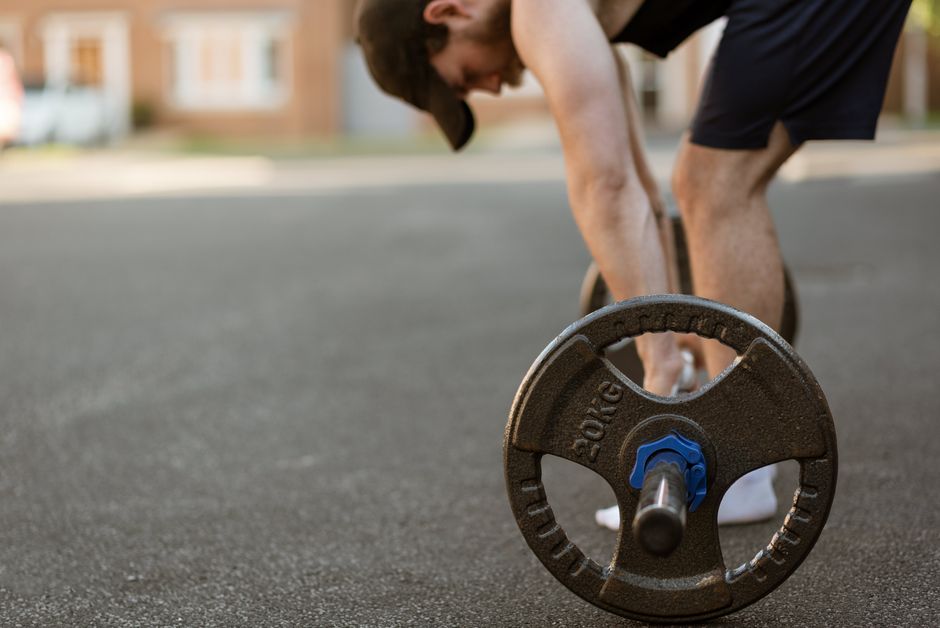
I made every single one of these. Don’t be me.
- Lifting too light. If you can do 20 reps easily, you’re not challenging your muscles enough. Fat loss requires mechanical tension. That means lifting heavy enough that you can only manage 6-12 reps with good form. Light weights with high reps build endurance, not muscle.
- Ignoring progressive overload. Your body adapts fast. If you lift the same weight for the same reps for months, you stop growing. You have to add weight, reps, or sets every 1-2 weeks. This is non-negotiable.
- Doing too much isolation work. Bicep curls won’t burn much fat. Compound movements like squats, deadlifts, and pull-ups recruit multiple muscle groups at once. They burn more calories per minute and trigger a bigger hormonal response for fat loss.
One more mistake: skipping the warm-up and jumping straight into heavy sets. That’s how you get injured. Five minutes of dynamic stretching and light activation work saves you weeks of recovery.
How to Structure a Strength Training Routine for Maximum Fat Loss
This isn’t bodybuilding. You don’t need to spend two hours in the gym. Fat loss responds best to high-density training — more work in less time.
Full-Body Workouts, 3 Times Per Week
Full-body splits hit every major muscle group each session. That means more total muscle activation per week, higher calorie burn per session, and better hormonal response (growth hormone and testosterone). Three days per week is enough for most people. Four days works if you recover well.
A sample session looks like this:
- Barbell squats: 4 sets of 8 reps
- Dumbbell bench press: 4 sets of 10 reps
- Bent-over rows: 3 sets of 10 reps
- Romanian deadlifts: 3 sets of 12 reps
- Overhead press: 3 sets of 10 reps
- Plank: 3 sets of 45 seconds
Rest 60-90 seconds between sets. Keep the workout under 50 minutes.
Supersets and Circuits Double the Burn
Supersets mean doing two exercises back-to-back with no rest. For example, squat immediately followed by push-ups. That keeps your heart rate elevated, turning your strength session into a metabolic conditioning workout. A 2026 study from the University of São Paulo showed that superset training burned 32% more calories per session than traditional straight-set training.
Circuit training takes this further. Do 5-6 exercises in a row with minimal rest. Rest 2 minutes after completing the circuit, then repeat 3-4 times. This is the sweet spot for fat loss.
Sample Weekly Schedule (With Real Weights and Reps)
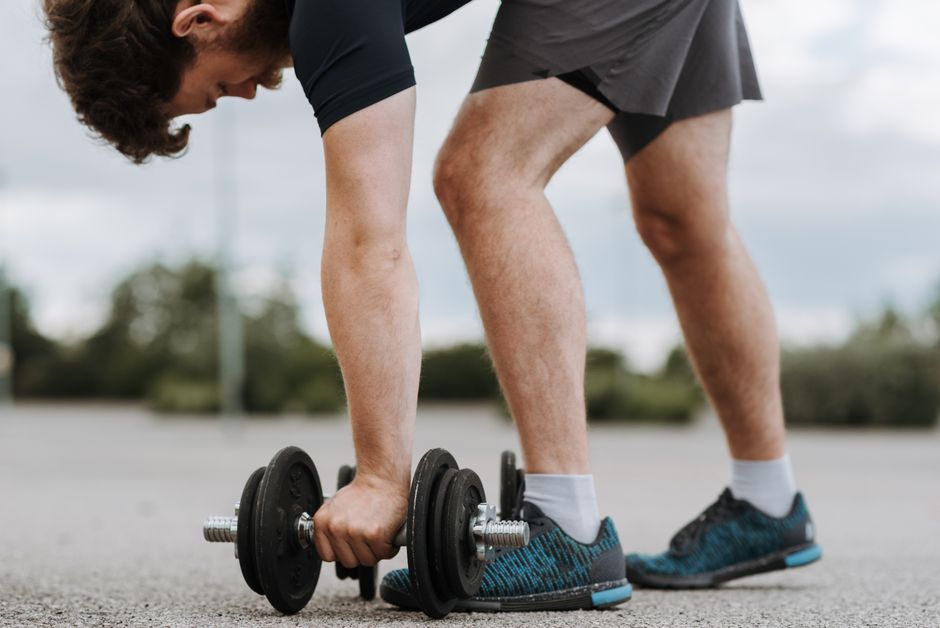
| Day | Workout | Key Exercises | Total Time |
|---|---|---|---|
| Monday | Full-body strength | Squat, bench press, row, plank | 45 min |
| Tuesday | Active recovery | 20-min walk, stretching | 25 min |
| Wednesday | Full-body circuit | Deadlift, pull-up, overhead press, lunges | 40 min |
| Thursday | Rest | — | — |
| Friday | Full-body strength | Squat, incline press, rows, farmer carry | 45 min |
| Saturday | Optional LISS cardio | 30-min incline walk | 30 min |
| Sunday | Rest | — | — |
Progressive overload rule: Add 2.5-5 pounds to your main lifts every week. If you can’t add weight, add one more rep or one more set. Track everything in a notebook or app.
When Strength Training Won’t Work for Fat Loss (And What to Do Instead)
Strength training is powerful, but it’s not magic. Here are three situations where it fails.
Your diet is off. You cannot out-lift a bad diet. If you’re eating in a calorie surplus, you will gain weight regardless of how much you lift. Strength training helps you lose fat only when paired with a modest calorie deficit (250-500 calories below maintenance).
You have a medical condition that limits intensity. People with uncontrolled hypertension, joint injuries, or certain heart conditions should get medical clearance before heavy lifting. In those cases, low-impact cardio like swimming or cycling combined with bodyweight resistance work is safer.
You’re doing only isolation machines. Those leg extension and chest press machines at the gym? They’re fine for beginners, but they don’t recruit stabilizing muscles. Free weights (barbells, dumbbells, kettlebells) force your entire body to work together. That’s where the fat loss happens. If you’re stuck on machines, switch to compound free-weight exercises for at least 80% of your volume.
Alternative for busy people: If you can’t commit to three gym sessions per week, try two full-body strength sessions plus one 30-minute high-intensity interval training (HIIT) session on a stationary bike. HIIT provides a metabolic boost similar to strength training in less time.
My Verdict After 3 Months of Strength-First Fat Loss
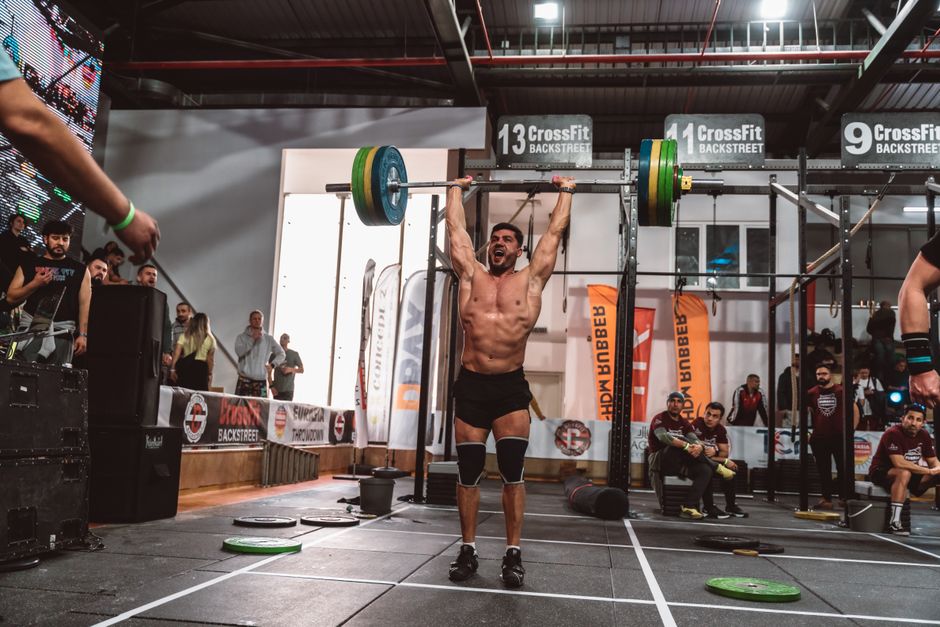
I started at 185 pounds with 22% body fat. After three months of the routine above — three strength sessions per week, zero running, and a 400-calorie daily deficit — I weighed 173 pounds with 15% body fat. My waist shrank from 36 to 33 inches. My squat went from 135 to 205 pounds.
The scale didn’t move fast in the first two weeks. That’s normal. You’re building muscle and losing fat simultaneously, so the weight stays similar while your body composition shifts. Around week three, the clothes started fitting differently. By week six, people asked if I’d lost weight.
Cardio has its place. It improves cardiovascular health and burns calories. But if your goal is fat loss that stays off, strength training is the better bet. You don’t need to run until your knees ache. You need to lift heavy, eat smart, and let your metabolism do the rest.
Medical Disclaimer: This content is for informational purposes only and does not constitute medical advice. Always consult a qualified healthcare professional before making health-related decisions.