
Cold and flu season rewards boring habits more than expensive “immune boosters.” The strongest plan combines vaccination, cleaner air, good sleep, balanced food, sensible hygiene, and careful supplement use.
How to create a practical immune-support routine

Use this seven-part routine as a weekly checklist. It works because it addresses exposure, recovery, and nutrition at the same time.
Seven actions that earn their place
- Check vaccines. Review current flu and other recommended immunizations with a healthcare professional.
- Improve indoor air. Open windows when practical, run a properly sized air cleaner, and avoid long periods in packed, poorly ventilated rooms.
- Wash at the right moments. Wash with soap and water before meals, after using public transport, after coughing or sneezing, and after caring for someone who is sick.
- Eat enough protein. Add a protein source to breakfast, lunch, and dinner instead of trying to “fix” nutrition with a single drink.
- Protect sleep. Keep a regular wake time and give yourself enough time in bed to wake without an alarm when possible.
- Move moderately. A walk, easy cycling session, or light strength workout supports general health. Skip hard training when fever, chest symptoms, or marked fatigue appear.
- Make a sick-day plan. Keep a thermometer, fluids, easy foods, and a way to contact a clinician available before illness starts.
The routine that deserves priority
If you can only improve one area, choose sleep and exposure control before buying a supplement. A late-night shopping spree cannot compensate for sleeping five hours, sharing a closed room with someone coughing, and skipping meals. The practical winner is a routine you can repeat on ordinary weekdays, not a complicated stack of products.
For personalized advice, especially with asthma, diabetes, immune-suppressing treatment, pregnancy, or older age, ask a healthcare professional to adjust the plan.
Which immune supplements are worth considering in 2026?
Supplements can fill a nutrient gap, but they do not replace vaccination, food, sleep, or medical treatment. The table below gives a realistic comparison of common options and current example prices. Prices change by retailer, package size, and sale.
| Product example | Listed amount | Example price | Best use | Main caution |
|---|---|---|---|---|
| Nature Made Vitamin D3 tablets | 1,000 IU or 25 mcg per tablet | $7.59 | Filling a confirmed or likely dietary gap | Do not add high doses without clinical advice |
| Nature Made Zinc 30 mg tablets | 30 mg per tablet | $5.79 | Short-term discussion with a clinician or pharmacist | Long-term excess can lower copper and cause harm |
| Emergen-C 1000 mg drink mix | 1,000 mg vitamin C per packet | About $15.99 for 30 packets | Convenient vitamin C intake | May cause stomach upset; it does not prevent flu |
| Zicam Citrus RapidMelts | Zinc lozenge product; package directions apply | About $13.49 for 25 tablets | Discussing early cold use with a pharmacist | Do not exceed the label dose |
My pick for a genuine nutrient gap
For someone with low vitamin D intake or a clinician-confirmed deficiency, a straightforward vitamin D product such as Nature Made Vitamin D3 1,000 IU is the sensible choice because it provides a clear dose at a low example cost. That recommendation is about correcting a gap, not using vitamin D as a flu shield.
My pick for convenience
Emergen-C is convenient if you already want a flavored drink containing vitamin C, but it is not a better immune strategy than eating oranges, peppers, kiwi, broccoli, or tomatoes. The best value is the option you need and can use safely. Buying three overlapping “immune” blends is usually worse value than checking labels for duplicate vitamin C, zinc, and vitamin D.
NIH guidance explains that nutrients support normal immune function, while supplements do not prevent or cure respiratory illness. Read the NIH vitamin C fact sheet before treating a high-dose product as medicine.
Vitamin C and zinc: what should you take, and when?

These nutrients deserve a careful answer because they appear in almost every cold-season aisle.
Can vitamin C prevent a cold?
Not reliably. Regular vitamin C may slightly reduce cold duration for some people, but starting a large dose after symptoms begin does not guarantee a shorter illness. Adults should stay below the established upper limit of 2,000 mg per day from all sources unless a qualified clinician gives different instructions. A 1,000 mg Emergen-C packet already supplies half that limit, so adding several tablets or a multivitamin can push the total higher than expected. People with kidney problems or a history of kidney stones should ask a clinician before using high doses.
Can zinc shorten a cold?
Zinc lozenges may help some people when started early and used for only a short period, but the product, dose, timing, and study results vary. Nature Made Zinc 30 mg tablets are a daily supplement, not a reason to take several tablets through the day. Zicam Citrus RapidMelts are a separate cold-remedy product with its own label directions. Do not confuse the package dose with a general daily target. The adult upper limit for zinc is 40 mg per day from food and supplements, and long-term excess can cause nausea, copper deficiency, and reduced immune function.
What is the clear decision?
Choose food first, use a supplement to address a real gap, and ask a pharmacist about zinc lozenges before using them for a cold. Avoid intranasal zinc products. Stop if you develop troubling side effects, and check for interactions with antibiotics or other medicines. The best supplement is the one with a clear purpose, a modest dose, and a short explanation for why you need it.
Common cold-season mistakes that waste money or increase risk
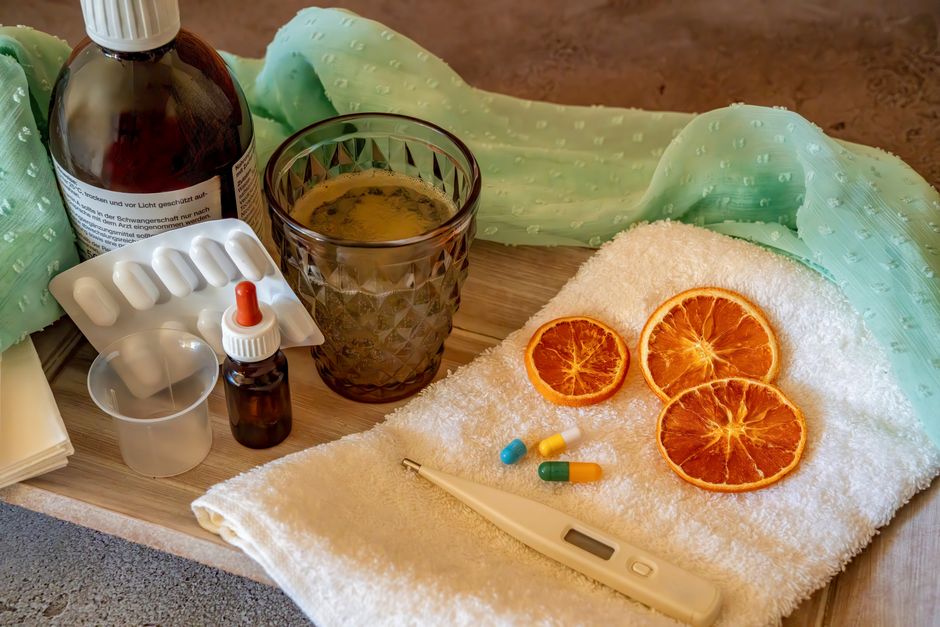
The biggest failure mode is confusing “supports immune health” with “prevents infection.” A label can describe normal body function without proving that the product stops flu or shortens every cold.
Mistakes to avoid
- Stacking duplicates: A multivitamin, immune powder, gummies, and zinc tablet may all contain the same nutrients.
- Ignoring the label: Check serving size, total daily amount, added sugar, stimulants, and herbal ingredients before combining products.
- Using supplements instead of care: A product cannot replace an antiviral discussion, testing, or urgent evaluation when symptoms are severe.
- Training through fever: Rest when you have fever, shortness of breath, chest pain, dizziness, or unusual weakness.
- Trusting dramatic claims: “Natural,” “strong,” and “immune defense” do not prove a product prevents illness.
When not to buy an immune supplement
Do not buy one if the label hides the amount of each ingredient, promises a flu cure, pressures you to purchase a large subscription, or duplicates a supplement you already take. Also pause if you take blood thinners, thyroid medicine, antibiotics, seizure medicine, or treatment that affects the immune system. A pharmacist can check the full list faster and more safely than guessing from online reviews.
The verdict: spend first on prevention, sleep, food, and timely medical advice; buy a supplement only when you can name the specific gap it is meant to fill.
When should cold or flu symptoms prompt medical care?
Most mild respiratory illnesses improve with rest, fluids, and time, but risk varies by age and health history. Contact a clinician early if you are pregnant, an older adult, immunocompromised, or living with a condition that raises the chance of severe flu or COVID-19. Early testing and treatment decisions can matter more than any over-the-counter supplement.
Which warning signs need urgent help?
Seek urgent medical care for trouble breathing, persistent chest pain or pressure, new confusion, fainting, severe dehydration, bluish or gray lips or face, or symptoms that improve and then suddenly worsen. For a child, seek prompt advice for unusual sleepiness, fast breathing, poor drinking, or very few wet diapers. Do not wait for an immune product to work when warning signs appear.
What should you do at the first sign of illness?
Stay home when you can, improve air flow, limit close contact, wear a well-fitting mask around others, and check local guidance for testing. Call a healthcare professional quickly if you are at higher risk or symptoms are strong; some prescription treatments work best when started early. Follow package directions for fever or pain medicines and avoid taking more than one product with the same active ingredient.
The single most important takeaway is this: support your immune system during cold and flu season with layered prevention, adequate recovery, and targeted supplements only when they solve a real nutritional need.
Always consult a qualified healthcare professional before making health-related decisions.