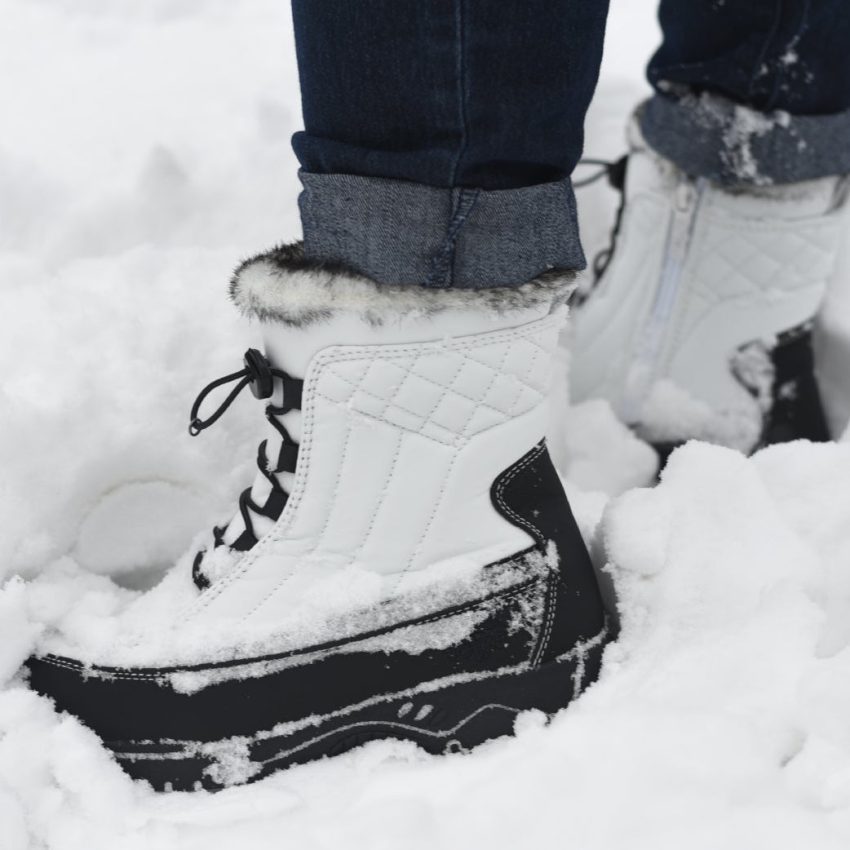
The calm wet-weather commute is rarely improvised at the station entrance. It is designed earlier: one umbrella with a clear job, one place for damp gear, and one route adjustment that prevents the morning from becoming a sprint.
Map the awkward minutes
Do not begin with a product category. Begin with the parts of the commute where rain causes friction. It may be the exposed walk from parking lot to platform, the transfer where both hands are full, the narrow pavement beside traffic or the lobby where a dripping canopy has nowhere to go. Write down those moments. They reveal whether you need fast opening, compact storage, broad shared coverage, forward visibility or simply a dependable umbrella kept at the office.
Then check the forecast and any official travel alerts. Heavy rain, lightning, flooding, high wind and poor visibility can require a different route or a delay, not a stronger accessory. An umbrella is everyday weather equipment, not protection from every hazardous condition. Leave more time, choose well-lit paths and follow local transport and safety advice.
Choose width by pavement, not by photograph
A wide umbrella is comfortable when two people walk together or when a bag needs cover, but it can be difficult on narrow pavements, crowded station approaches and shop entrances. A compact canopy is easier to manoeuvre and pack, yet it provides less shoulder protection. Measure the compromise against the route you use most often.

If the commute includes long open stretches, consider how wind meets the canopy. No umbrella is suitable for every gust. Keep a secure grip, avoid fighting a canopy that has become difficult to control and close it when conditions make continued use unsafe. Product descriptions may discuss wind-related construction, but current specifications and use guidance should be confirmed directly with the merchant.
Folding or full length is a storage decision
A folding umbrella suits a commute that ends with a bus, train, café or office because it can move into a sleeve or designated wet compartment. Closed length and weight matter as much as open diameter. A full-length umbrella can offer an easy grip and familiar opening action, but it remains a separate object during the whole journey. If you regularly leave umbrellas behind, the simpler carrying plan may be more valuable than extra coverage.
Automatic opening can be convenient when stepping out of a vehicle, while manual designs may appeal to people who prefer a simpler mechanism. In every case, keep the opening area clear of faces and nearby objects. Practise the mechanism at home and inspect the frame, tips and handle periodically. Replace damaged equipment rather than carrying a sharp or unstable frame through a crowded commute.
Compare what changes the morning
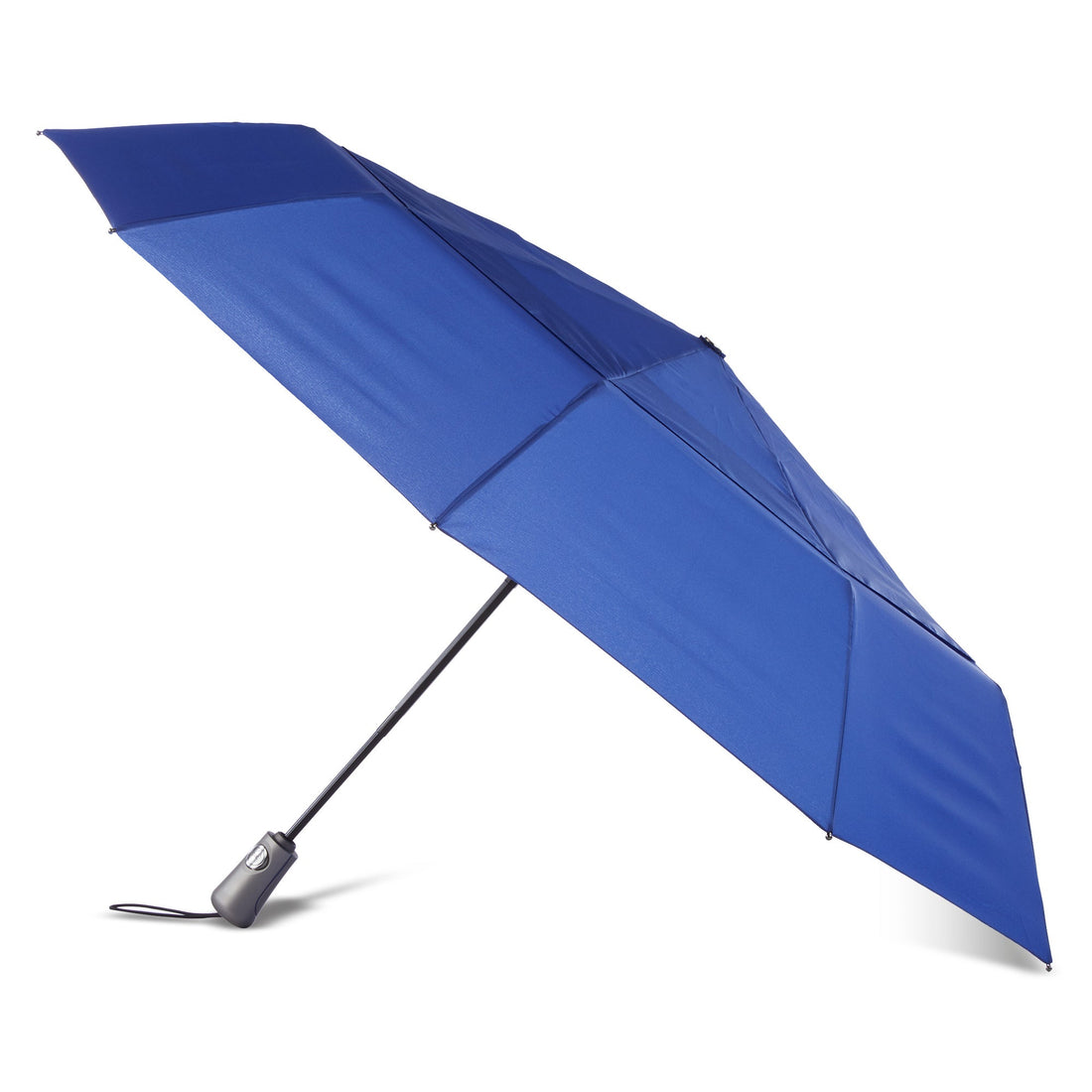
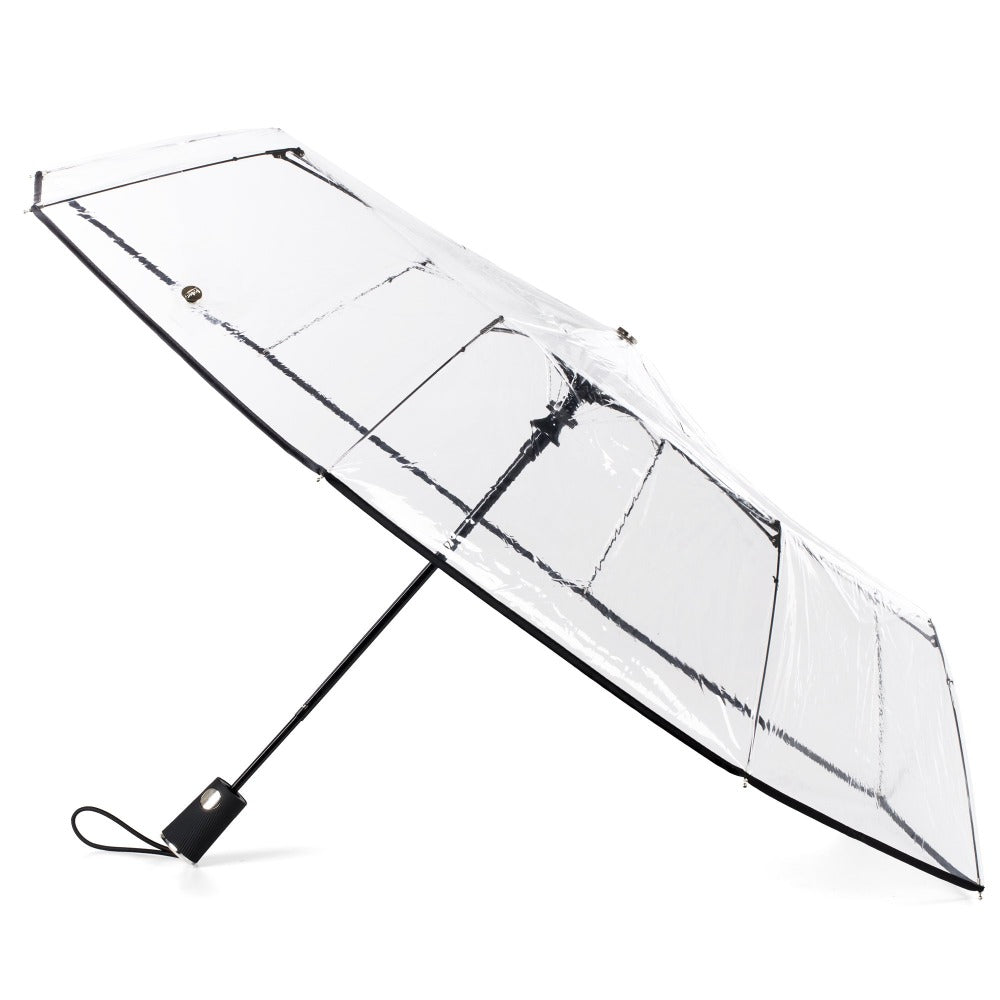
Colour and pattern have a practical side. A distinctive umbrella is easier to identify in a shared stand, while a neutral style may fit a work wardrobe without thought. Clear material can change visibility, especially with a deeper canopy, but it also needs appropriate cleaning and storage. The right choice is the one you will carry consistently, open comfortably and dry properly.
Give wet gear its own compartment
Do not place a dripping umbrella beside electronics, documents or medication. Use the storage sleeve supplied for the product if appropriate, or carry a separate water-resistant pouch for the short indoor transition. A sleeve manages contact; it does not dry the canopy. Open the umbrella later in a ventilated, permitted place and let it dry fully before long-term storage.
At home
Keep the umbrella near keys and outerwear, with a tray or mat ready for the return.
At work
Identify an approved drying spot rather than balancing wet gear under the desk.
On transit
Close the umbrella before boarding, control the pointed end and avoid wetting other passengers.
In a vehicle
Store it where it can be reached before opening the door without blocking pedals or controls.
Reduce the effort around the umbrella
Holding one position against rain and wind can make the hand, shoulder and neck feel tense. Alternate hands when safe, relax the grip and keep the umbrella close enough that it does not act like a long lever. A backpack or cross-body bag can leave a hand free, but straps should not interfere with movement or visibility. Choose footwear for traction and comfort, not only water resistance.
Arrive with two minutes to spare for closing and shaking off water in an appropriate outdoor area. Rushing increases the chance of slipping, bumping someone or pinching a finger in the mechanism. If pain, weakness, balance concerns or mobility limitations affect umbrella use, choose an alternative weather strategy or seek advice suited to your needs.
Verify the details that photographs cannot show
Before ordering, review the current open and closed dimensions, weight, handle shape, opening mechanism, canopy material, care instructions, warranty and return terms. Check whether a product is intended for one person, shared use, travel or another setting. Prices, colours, promotions and availability can change, so use the live merchant page as the final source.
A strong commuter kit may contain only two pieces: the umbrella you carry and the backup stored where delays usually begin. Duplicating every style is less useful than placing one reliable option at each point of failure. Once the system works, the forecast becomes information rather than a morning emergency.
Build the practical kit
Compare umbrellas by the commute they need to complete
Browse the current Totes range, then match canopy, closed size and operation to your route, bag and drying space before deciding.
Affiliate disclosure: Wellness Relaxation may receive compensation after an eligible purchase through this link. Verify product details and follow current weather and transport guidance.