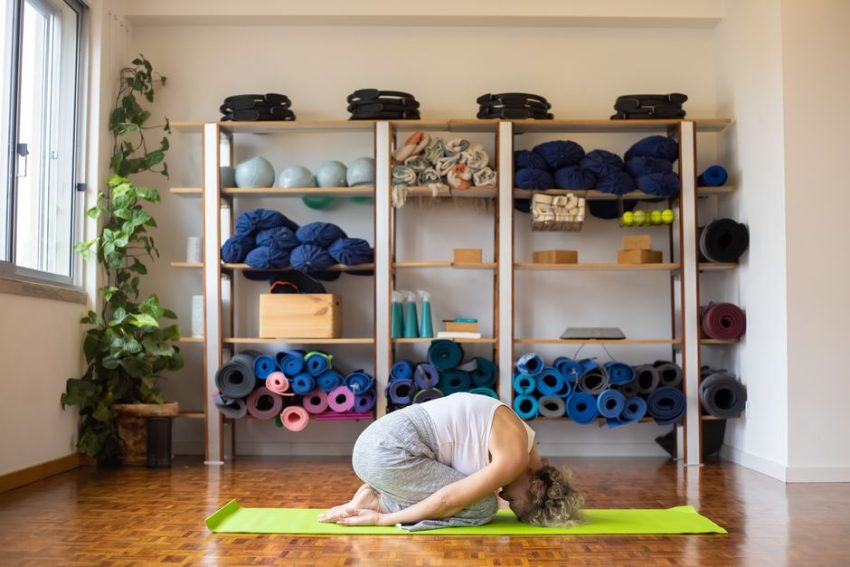
The best 15-minute routine is boring, repeatable, and pain-free
The verdict
The best mobility routine for desk workers is not a punishing stretch session or a complicated flow with twenty exercises; it is a timed sequence you can repeat on a workday, using controlled movement through a pain-free range to address the areas that stay bent, still, or weak while you sit. The clear winner is a 15-minute routine that moves the upper back, neck, shoulders, hips, and ankles in that order, because desk stiffness usually comes from long periods of low movement rather than one dramatic injury, and a short sequence gives you enough work to feel looser without draining the energy you need for the rest of the day.
What success feels like
You should finish with easier breathing, a more upright sitting position, smoother hip movement, and less need to roll your shoulders every few minutes; you should not finish with sharp pain, tingling, joint swelling, or the feeling that you forced a joint past its limit.
The 2026 version of this routine needs no equipment, no special clothing, and no heroic motivation: set a timer, move slowly, and stop treating intensity as proof that an exercise works. If a movement feels productive but leaves you more irritated two hours later, it failed the test. Repeatable relief beats a dramatic stretch once a week, and this is general wellness education rather than a diagnosis or treatment plan.
This is not financial advice; it is general wellness information. Seek medical care for new weakness, numbness, severe pain, loss of balance, or symptoms that spread into an arm or leg.
What 15 minutes should include: a desk-worker mobility schedule

Use a timer, not motivation
Run the sequence continuously, but keep the effort at about 4 out of 10. The goal is to create movement options, not to win a flexibility contest. Use nasal breathing when comfortable, keep your ribs from flaring, and let the timer decide when to change exercises.
| Time | Movement | Target | Execution cue |
|---|---|---|---|
| 0:00–1:30 | Slow breathing with reach | Ribs and upper back | Inhale through the nose, reach both arms overhead, and exhale fully. |
| 1:30–3:30 | Cat-cow and thoracic rotation | Upper back | Move one vertebra at a time; rotate from the mid-back, not the lower back. |
| 3:30–5:30 | Half-kneeling hip-flexor shift | Front of the rear hip | Tuck the pelvis slightly before shifting forward. |
| 5:30–7:00 | Adductor rock-back | Inner thigh and groin | Keep the extended leg straight and rock toward the bent leg. |
| 7:00–9:00 | 90/90 hip switches | Hip rotation | Use your hands for support and keep the movement controlled. |
| 9:00–11:00 | Wall slides | Shoulders and upper back | Keep the ribs down and slide only as high as you can without shrugging. |
| 11:00–13:00 | Chin tucks and neck turns | Neck position | Make a small double chin; do not jam the head backward. |
| 13:00–15:00 | Supported squat-to-stand | Hips, ankles, and legs | Hold a desk or doorframe and keep the heels grounded. |
The target is motion, not a deep stretch
Move through five to eight slow repetitions when the table does not specify a hold. During the half-kneeling exercise, spend about 30 seconds on each side, but do not push the hips far forward. A small pelvic tuck usually creates more useful tension than a large lunge.
Bottom Line: This schedule is the best starting point for a desk worker because it covers the joints that spend the most time in one position and gives each area a clear dose without turning a work break into a workout.
Why desk stiffness happens—and what stretching misses
Long sitting changes the starting position
Sitting keeps the hips flexed, the knees bent, and the feet planted for hours. The body does not become permanently locked in that shape after one afternoon, but it does become familiar with it. When you stand, the hips may feel tight because the front of the hip has not moved through full extension, while the glutes and upper back have contributed very little. The answer is not to yank the hip into a larger stretch. The better fix combines a gentle hip-extension position with active control, such as the half-kneeling shift followed by a slow stand.
The upper back needs rotation before the neck does more work
Many desk workers try to fix neck tension with aggressive neck circles. That approach often misses the real problem. A rounded upper back limits how freely the head and shoulders can move, so the neck takes over when you look up, turn, or reach. Thoracic rotations, cat-cow movements, and wall slides give the upper back a job again. Keep the neck relaxed while the mid-back rotates; if the neck leads every repetition, reduce the range and slow down.
Mobility only lasts when you use the new range
A stretch can create a short-term feeling of space, but the change fades if you return to the same position for another four hours. That is why this routine ends with supported squats and why a brief walk after the sequence matters. The walk gives the hips and ankles a chance to practice the range while the body is warm. For lasting results, pair the 15-minute session with two-minute movement breaks every 30 to 60 minutes: stand, take a few steps, reach overhead, and look away from the screen.
The first principle is simple: stiffness is often a movement problem before it is a flexibility problem. More passive stretching is not automatically better. A controlled range that you can own is more useful than a deeper position that your body protects against.
Five mistakes that make desk mobility worse

Mistakes 1–3: forcing range, rushing, and ignoring the workday setup
- Forcing a stretch because it feels intense. Intensity is not a reliable measure of progress. Stop at strong but manageable tension, especially around the front of the hip, the neck, and the groin. Sharp, electric, or pinching sensations are stop signs.
- Rushing through every repetition. Fast movement can hide where control breaks down. Take roughly three seconds to move into each position and three seconds to return when an exercise feels difficult.
- Doing one routine while sitting for eight uninterrupted hours. A 15-minute session cannot fully offset a full day of stillness. Add short movement breaks before stiffness becomes severe. A one-minute walk to refill water is small, but it changes the total amount of movement you get.
Mistakes 4–5: copying the wrong exercise and chasing perfect posture
- Copying a movement that causes symptoms. A routine is not automatically safe for every person. Reduce the range, use support, or skip the exercise if it causes pain that lingers after you stop.
- Trying to hold one rigid posture all day. There is no single perfect sitting position that protects you from every ache. Change positions, move your feet, vary your screen distance, and let your back use several comfortable shapes.
Do not buy into the idea that discomfort proves a routine is working. For desk workers, the most common failure mode is doing too much, too fast, then abandoning mobility for a week because the body feels worse. The better verdict is conservative: choose the easiest version that lets you breathe normally and repeat it tomorrow.
Desk mobility questions people ask before they start
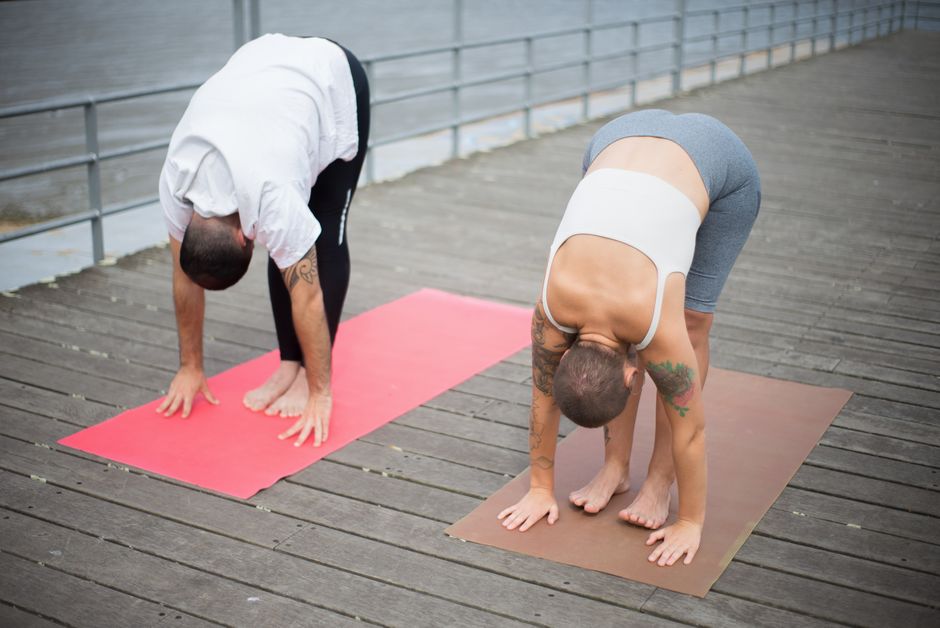
Should I do this routine in the morning or after work?
Do it at the time you will actually repeat. Before work, the routine can reduce the stiff feeling that builds overnight. Midday is the strongest choice for people who sit for long blocks because it interrupts the pattern before the neck and hips become irritated. After work works too, but use slower movements if you already feel tired. My recommendation is midday on office days and early evening on days when meetings make a midday break impossible.
What should I do if stretching makes my back or neck hurt?
First, reduce the range and remove speed. Replace a floor exercise with a supported version, keep the movement smaller, and check whether you are holding your breath or shrugging. If pain remains sharp, spreads into an arm or leg, comes with numbness or weakness, or keeps returning despite easier movement, stop self-testing and arrange a clinical assessment. Do not use a mobility routine to push through warning signs.
How soon should I expect less stiffness?
Some people feel a change during the first session, but that does not prove the underlying issue has been solved. Give the routine two weeks of consistent practice, with one 15-minute session on most workdays and brief movement breaks during the day. Track three practical measures: how easily you turn your head, how long you can sit before shifting, and whether standing up feels smoother. For most desk workers, the clear recommendation is to keep the routine simple, repeat it for two weeks, and progress by improving control rather than adding more exercises. That is the lowest-cost path to a looser, more capable workday.
Medical Disclaimer: This content is for informational purposes only and does not constitute medical advice. Always consult a qualified healthcare professional before making health-related decisions.