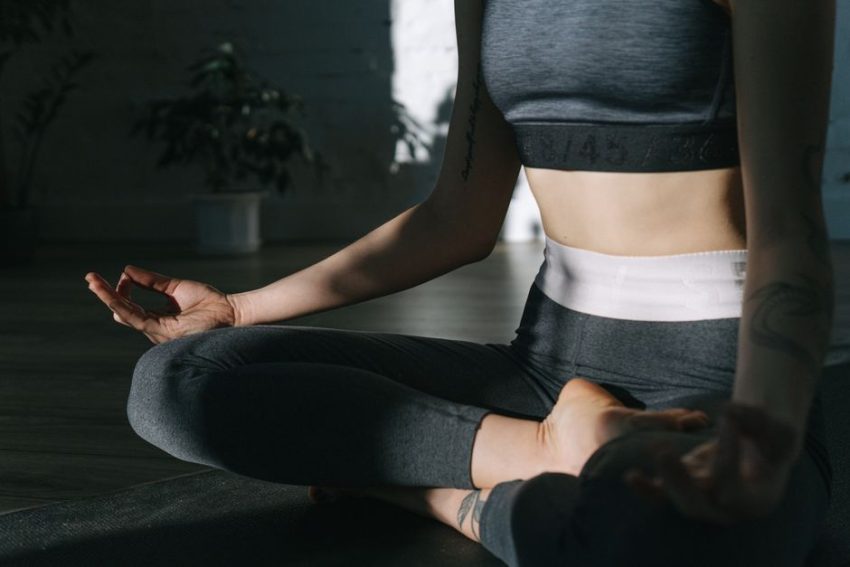
What to do when stress spikes at 9:00 a.m.
Does your day start with a full inbox, a late train, and the feeling that you are already behind? That first rush can turn a normal morning into a chain of tense decisions. You answer messages too quickly, skip breakfast, sit still for hours, and carry the same pressure into the evening.
The fastest fix is not a perfect morning routine. It is a short reset that lowers your body’s alarm response and gives you one clear next action. Stress often grows when your brain treats every task as urgent. Your job is to separate a real emergency from a noisy task list.
Find the stress signal
Stop for 30 seconds and name three things: what you feel in your body, what thought is repeating, and what needs attention first. You might notice tight shoulders, the thought “I cannot catch up,” and one email that needs a reply. Naming the signal creates a small gap between the feeling and the reaction.
Then rate the pressure from 0 to 10. If the number is 7 or higher, do not begin with a difficult decision. First, put both feet on the floor, relax your jaw, and breathe out longer than you breathe in. Try four seconds in and six seconds out for five rounds.
Use the ten-minute reset
Set a ten-minute timer. For the first two minutes, breathe slowly. For the next three minutes, write every worry and task on paper. For the final five minutes, choose one action that takes less than 15 minutes. Send the one reply, wash the cup, open the document, or book the appointment.
This works because it replaces a vague threat with a visible sequence. Do not use the reset to plan your entire week. The target is simple: move from alarm to one useful action.
Build a stress-proof daily rhythm in five steps
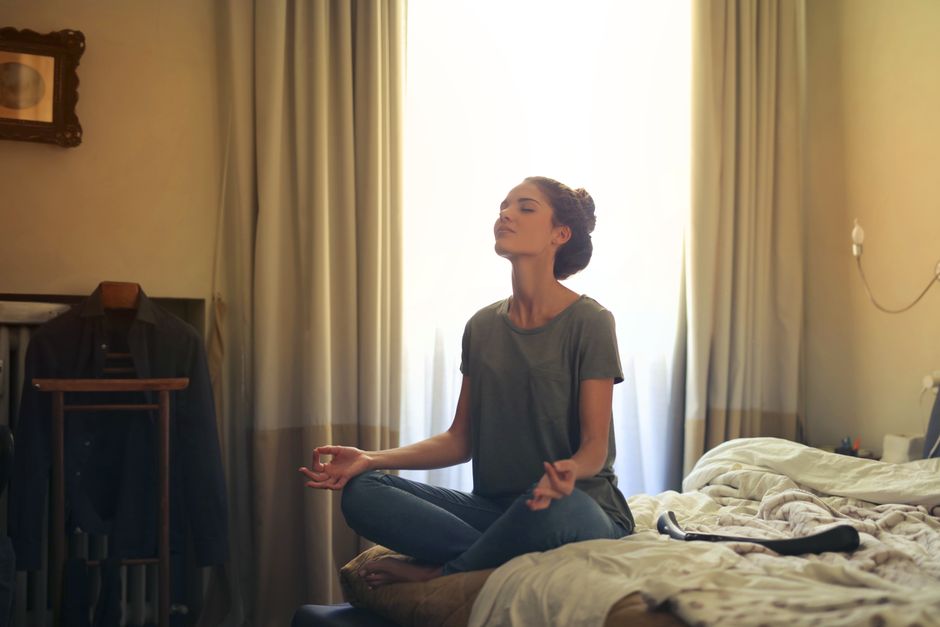
A routine reduces the number of decisions you make when your energy is low. It does not need to look attractive or take an hour. A reliable routine can fit into the spaces you already have.
The five-step setup
- Choose one wake-up anchor. Get out of bed within the same 60-minute window on most days. Keep your phone across the room so checking notifications is not the first action of the morning.
- Get daylight before heavy work. Spend 5 to 15 minutes outside or near a bright window. Pair it with water and a simple breakfast if you tend to feel shaky or irritable before lunch.
- Schedule a movement break. Walk for five minutes after two blocks of sitting. If you work at a desk, set breaks at 10:30 a.m., 1:30 p.m., and 3:30 p.m. A short walk counts.
- Make a worry appointment. Reserve 15 minutes in the late afternoon to write problems and possible actions. When a worry appears earlier, write one word on a note and return to the current task.
- Close the workday visibly. Write tomorrow’s first task, shut the laptop, and change rooms if possible. Your brain needs a physical signal that work has ended.
Keep the routine small enough to repeat
The common mistake is adding six habits at once. Start with the wake-up anchor, one daylight period, and the workday close. Keep those for seven days before adding anything else. A routine that takes 20 minutes and happens five days a week will help more than a 90-minute plan that disappears after Tuesday.
Skip the routine when you are ill, severely sleep-deprived, or dealing with an urgent personal problem. In those situations, reduce the day to food, water, medication if prescribed, rest, and one necessary task.
Which stress tools are worth paying for?
Most people do not need a wearable or meditation subscription to manage daily stress. Start with the free steps above. A paid tool earns its place only when it removes a problem that keeps breaking your routine, such as forgetting to pause, needing guided audio, or wanting a visible sleep and activity record.
Quick comparison
| Tool | 2026 US price shown | Useful feature | Best choice for |
|---|---|---|---|
| Insight Timer | Free tier available | Guided meditations, breathing sessions, and timers | Trying guided practice without a subscription |
| Calm Premium | $69.99 per year on the listed annual plan | Daily meditations, sleep stories, music, and gentle movement | People who want a polished evening routine |
| Headspace | $69.99 per year after the listed trial | Structured meditation courses and short stress sessions | Beginners who want a clear lesson path |
| Apple Watch SE 3 | From $249 | Activity rings, sleep tracking, and heart-rate notifications | People who need reminders to move and wind down |
My tool verdict
For most readers, Insight Timer is the best first purchase because it costs nothing at the free tier and lets you test guided breathing before paying. Choose Headspace if you want a simple course with less searching. Choose Calm if sleep is the main stress problem and you will actually use its bedtime audio. The Apple Watch SE 3 is useful for movement prompts, but it cannot replace a sleep schedule, therapy, or medical care.
Prices can change by country, tax, app store, and promotion. Check the checkout screen before paying. A subscription is a poor buy if you already ignore phone reminders. Use a paper card on your desk for one week first. If the card works, you may not need the device.
Why your stress routine fails after three days

Most failed routines do not fail because the person lacks discipline. They fail because the routine depends on a calm, well-rested version of the person who is already stressed.
“Why do I forget to use the technique?”
You probably attached it to a vague time, such as “when I feel stressed.” Stress makes vague instructions hard to follow. Attach the action to an event instead: after opening your laptop, take five slow breaths; after lunch, walk around the block; after brushing your teeth, write tomorrow’s first task.
“Why does breathing make me feel worse?”
Some people become more anxious when they focus on breathing. Do not force deep breaths. Try a sensory reset instead: name five things you see, four things you feel, three sounds, two smells, and one taste. If counting breaths increases panic, keep your eyes open and walk slowly while looking at fixed objects.
“Why am I still stressed after resting?”
Rest is not always recovery. Scrolling through upsetting news, answering work messages from bed, or drinking caffeine late in the day can keep your nervous system switched on. Replace passive rest with a clear recovery action: a 15-minute walk, a warm shower, a quiet meal, or a conversation with someone safe.
Get professional help when stress lasts for weeks, disrupts sleep, changes your appetite, causes panic, or makes daily tasks feel impossible. Seek urgent help if you may hurt yourself or someone else.
My pick: start free, then buy only the missing support

Start with a seven-day paper routine before buying anything. Each morning, write one priority. At midday, take a five-minute walk. In the evening, write tomorrow’s first task and stop work at a set time. This gives you a fair test of the habits themselves.
Best free starting point
Use Insight Timer’s free sessions if silence makes meditation difficult. Pick one five-minute breathing track and use the same track for a week. Do not browse hundreds of options. Familiarity matters more than variety.
When a paid tool earns its place
Buy Headspace when you need a guided learning path and keep skipping practice without one. Buy Calm when falling asleep is the main issue and you want audio ready at bedtime. Buy the Apple Watch SE 3 only when movement reminders are the missing link and you already use an iPhone. For a person who works long desk hours, the watch is the strongest hardware pick because its activity cues turn an invisible problem into a visible prompt.
The winning stress tool is the one that removes a specific barrier. If the barrier is unclear priorities, buy nothing and use paper. If the barrier is remembering breaks, use a timer. If the barrier is settling down at night, choose one sleep audio app and cancel it if you stop using it.
Always consult a qualified healthcare professional before making health-related decisions.