
Spring daylight saving time removes one hour from the night for most people in the United States. In 2026, the change happens on March 8. A small shift in bedtime, morning light, and daily timing can reduce the tired feeling that follows.
Why the Spring Clock Change Disrupts Sleep
What the lost hour changes
The clock moves forward by one hour, but your body clock does not reset instantly. If you normally sleep from 11 p.m. to 7 a.m., a 10 p.m. bedtime and 6 a.m. wake-up on the first morning after the change may feel like a full hour earlier to your brain. That mismatch can make it harder to fall asleep, wake up, focus, and drive safely the next day. The effect often feels stronger in people who already sleep too little, work early shifts, care for young children, or keep a strict weekday schedule.
The CDC explains that the spring time change can reduce sleep and increase safety risks. That does not mean one bad night creates a lasting problem. It means the clock change adds pressure to a system that already needs regular timing.
Your body clock follows light, not the numbers on the wall
Light is the strongest daily signal for your circadian rhythm. Bright light in the morning tells the brain to become alert and helps set an earlier sleep window later that night. Bright light late in the evening sends the opposite message. This is why sleeping in until noon may feel helpful after a rough night but can make the following bedtime later and less predictable. The clear verdict is simple: treat the change as a light-and-timing problem, not a motivation problem.
How to Shift Your Bedtime Before the Spring Change
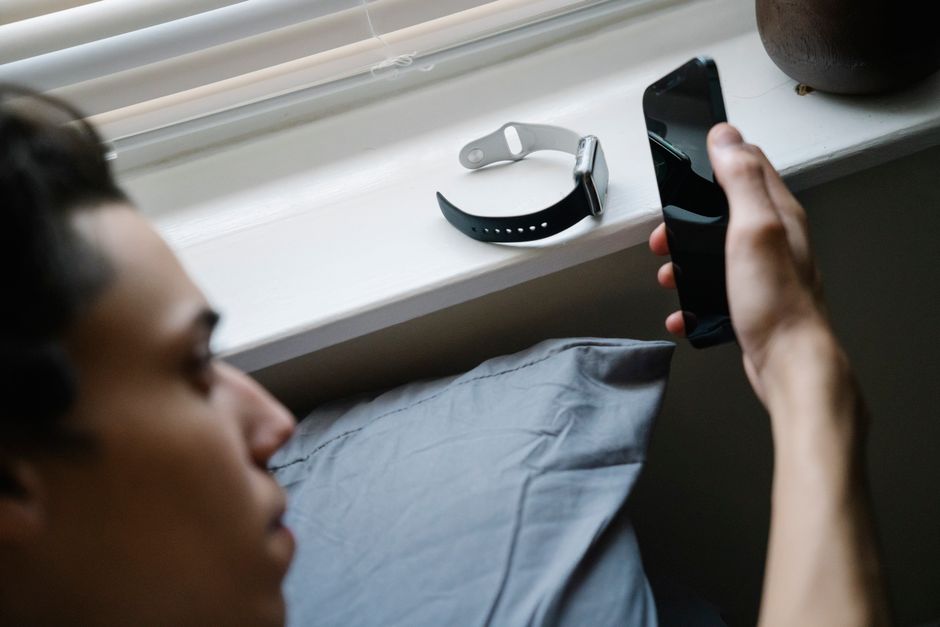
The best plan is a gradual 15-minute shift. Start three or four days before the clock change if your schedule allows it. Move bedtime and wake time earlier together. Moving only bedtime can leave you lying awake, while moving only the alarm can cut your sleep short.
- Four days before: Move bedtime and wake time 15 minutes earlier. Keep meals, exercise, and caffeine close to their usual times so your body receives several steady signals.
- Three days before: Move another 15 minutes earlier. Get outside soon after waking, even if the sky is cloudy. Outdoor light is usually stronger than indoor light.
- Two days before: Repeat the 15-minute shift. Stop caffeine at least eight hours before planned bedtime if caffeine tends to keep you awake. For a 10 p.m. bedtime, a noon cutoff is a practical starting point.
- The night before: Set the new alarm before going to bed and finish bright-screen tasks at least 30 minutes earlier. Do not stay up late trying to bank sleep; that usually makes the transition harder.
- The morning after: Get up at the planned new clock time, open curtains, and spend 15 to 30 minutes in outdoor light. Avoid a long morning sleep-in that pushes the next bedtime later.
Expect the first morning to feel imperfect. The goal is not to feel fully adjusted before breakfast. The goal is to reduce the size of the shock and give your body a repeated schedule to follow.
A 7-Day Spring Sleep Reset Schedule
A written schedule beats vague promises to go to bed earlier. The example below assumes a normal target of 11 p.m. to 7 a.m. Adjust the times to your own routine, but keep the 15-minute steps intact.
| Day | Bedtime | Wake time | Main action |
|---|---|---|---|
| Four days before | 10:45 p.m. | 6:45 a.m. | Get outdoor light after waking |
| Three days before | 10:30 p.m. | 6:30 a.m. | Move dinner and exercise slightly earlier |
| Two days before | 10:15 p.m. | 6:15 a.m. | Use dimmer evening lighting |
| One day before | 10:00 p.m. | 6:00 a.m. | Set the new alarm before bed |
| Clock-change day | 10:00 p.m. new time | 6:00 a.m. new time | Take morning light and skip a long nap |
| Day after | 10:00 p.m. | 6:00 a.m. | Keep the schedule steady |
This plan works best when you protect the wake time. A stable morning anchors the rest of the day, while a flexible bedtime gives you a chance to fall asleep naturally. If you cannot start early, use the same method after the change: shift bedtime and wake time 15 minutes earlier every one or two days until the new schedule feels normal.
The schedule is also a useful test. If you still feel exhausted after seven to 14 days of adequate sleep, the clock change may not be the main problem. Look for snoring, restless legs, late alcohol, medication effects, or a work schedule that keeps moving.
Morning Light Beats Supplements for This Problem

My firm recommendation is to spend money on timing before pills. Morning light is free, widely available, and aimed at the actual problem: a mismatch between your body clock and the new clock time. Ten to 30 minutes outside after waking can help give your brain a stronger morning signal, while dimmer light during the last hour before bed reduces signals that promote alertness.
Melatonin may help some people with specific timing problems, but it is not a universal fix for spring daylight saving time. Dose, timing, medication interactions, pregnancy, mood disorders, and next-day drowsiness all matter. A supplement taken at the wrong time can shift sleep later instead of earlier, so ask a pharmacist or clinician before using it for this purpose. A bright-light box also needs care: people with some eye conditions or bipolar disorder should get medical guidance first, and the device should be used according to its instructions rather than placed inches from the face.
The practical ranking is clear: first use a consistent wake time, second add morning outdoor light, third reduce late-night light and caffeine, and only then think about a paid gadget or supplement. That order gives you the highest likely benefit for the lowest cost and leaves fewer ways to misread the result.
Spring Clock Change Sleep Questions, Answered
How much sleep should adults get after the time change?
Most adults need at least seven hours, with many functioning better closer to eight or nine. Protect the opportunity for sleep rather than trying to force sleep itself. If the new 10 p.m. bedtime feels impossible, start the wind-down routine at 9:15 p.m., keep lights low, and leave the bed briefly if you remain awake and frustrated.
Should you nap after losing an hour?
A short nap can help, but keep it to about 10 to 20 minutes and finish before 3 p.m. A long or late nap may reduce sleep pressure at night. If you operate machinery, drive for work, or feel dangerously sleepy, safety matters more than preserving a perfect nap rule. Stop and rest before continuing.
Can alcohol help you fall asleep earlier?
No. Alcohol can make you drowsy at bedtime but often fragments sleep later in the night. It also increases the chance of snoring and can worsen breathing problems during sleep. Use a quiet routine, a warm shower, reading, or gentle stretching instead.
When should you ask for medical help?
Contact a clinician if loud snoring, gasping, morning headaches, restless legs, or severe daytime sleepiness continues after the schedule settles. Seek urgent help if sleepiness creates an immediate driving or workplace safety risk. A one-hour clock change should not explain weeks of disabling fatigue.
Spring Sleep Mistakes to Avoid and Your Best Plan
The most common mistake is waiting until the clock changes, then trying to fix everything with one early bedtime. A sudden two-hour shift can leave you awake in bed and frustrated. The second mistake is sleeping late on the first morning. That may reduce short-term fatigue but pushes the body clock later when you need it to move earlier. The third is using bright phone light in bed while expecting a sunrise alarm or supplement to cancel it out.
- Do not chase sleep with long naps. Use a short early nap or go to bed earlier the next night.
- Do not ignore caffeine timing. Coffee at 4 p.m. can still affect a 10 p.m. sleeper, even if you fall asleep quickly.
- Do not treat sleep-stage scores as medical tests. Consumer trackers estimate stages and can miss poor sleep that you clearly feel.
- Do not buy a device for a breathing problem. Snoring, gasping, or repeated awakenings need clinical assessment, not a more expensive alarm.
- Do not change the plan every night. Hold the wake time for at least one week before judging the result.
The best spring reset is boring by design: move in small steps, take morning light, dim the evening, protect enough time in bed, and keep the wake time steady. Use a device only when it removes a real obstacle.
| Goal | Best first move | Verdict |
|---|---|---|
| Wake earlier with less stress | 15-minute shifts plus morning outdoor light | Best overall plan |
| Wake in a dark bedroom | Sunrise alarm | Useful add-on |
| Stop checking the phone at night | Phone-free routine | Worth paying for only if used daily |
| Understand an inconsistent schedule | One-week sleep log | Better first step than a tracker |
Always consult a qualified healthcare professional before making health-related decisions.