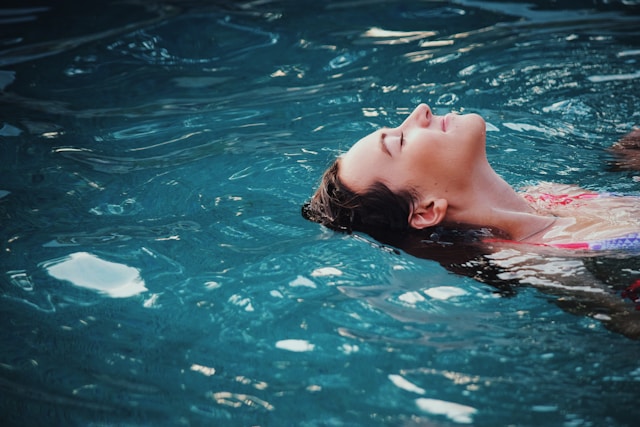
Learning to swim involves more than moving your arms and legs. You also need to feel comfortable in the water, find a steady breathing rhythm, and judge when to rest. Those skills develop through manageable practice, so your first sessions do not need to resemble a demanding workout.
Start in a supervised pool where you can stand comfortably and reach the side easily. Treat confidence and control as your first fitness goals. The following six tips will help you prepare, learn the basics, and build a swimming routine you can keep.
1. Choose comfortable gear and a suitable pool
Wear swimwear that stays secure when you reach overhead, bend, and push away from the wall. Choose a style that lets your shoulders and hips move freely. A comfortable fit matters more than looking like an experienced swimmer.
Goggles can make putting your face in the water more comfortable. Adjust the strap until they feel snug without digging into your skin, and check the seal before starting. A swim cap helps keep hair contained, especially if the pool requires one. Bring a towel, drinking water, and footwear suitable for the changing area.
You do not need a bag full of training equipment. Ask an instructor whether a kickboard or other aid would help with a particular exercise. Training aids are not safety devices, and hand paddles can wait until your technique is established.
Before entering, locate the steps, shallow end, depth markings, and lifeguard. Check the rules for lessons and lane swimming. A quieter beginner session may give you more room to practise without feeling rushed.
2. Set small goals and build water confidence
A useful first goal might be entering and leaving the pool confidently, putting your face in briefly, or returning to standing after a supported float. Swimming a full length can come later. Pick one or two skills for each visit so you can notice progress without judging every movement.
Begin beside the wall in water where you can stand securely. Hold the edge, relax your shoulders, and get used to the feeling of water around your chest. If you are comfortable, wet your face, then practise dipping your mouth into the water to blow gentle bubbles. Progress to immersing your face only when you feel ready.
Learn floating and recovering to standing with an instructor’s support. Knowing how to bring your feet underneath you can make early practice feel more manageable. Avoid moving into deeper water simply because other beginners have done so.
Keep a brief record after each session: what felt easier, what needed support, and what you want to repeat. Confidence can vary from day to day. Repeating an easy exercise is still useful practice, especially when you are learning to stay relaxed.
3. Get instruction and practise with supervision
A qualified swimming instructor can break unfamiliar skills into clear steps and spot habits that make swimming harder. Adult beginner lessons are appropriate even if you have never put your face underwater. Tell the instructor about your experience, any fear of water, and what you hope to achieve.
Ask to learn essential water skills alongside a stroke: safe entry and exit, recovering to standing, reaching the wall, and resting with support. These give your practice a practical foundation. If an instruction feels unclear, ask for another demonstration before attempting it.
Never practise alone. Use a lifeguarded pool and arrange suitable supervision for your ability; a lifeguard overseeing the pool does not replace individual support for a non-swimmer. Stay in the agreed learning area and follow the instructor’s limits. Being comfortable in a pool does not automatically prepare you for open water.
If anxiety rises, stop the exercise and use the nearby wall or regain standing in the shallow area. Tell your instructor before trying again. You do not need to push through fear to make progress. Short, supported attempts can help you build familiarity at a manageable pace.
4. Warm up gently and focus on easy movement
Before getting in, spend a few minutes walking and gently moving your shoulders, arms, and ankles. Keep movements comfortable rather than forcing a stretch. Use the steps or another designated entry point, then begin with easy movements in the shallow area.
Your first swimming efforts should feel controlled. During front crawl practice, look down with your neck relaxed rather than keeping your head lifted forward. Let your body lengthen and avoid trying to hold yourself up through frantic kicking. An instructor can help you find a position that works with your breathing.
Practise a small, relaxed kick from the hips, allowing a little knee bend. Large splashes are not the goal. Keep your ankles loose and use short practice distances so fatigue does not turn the drill into a struggle.
Work on one change at a time. For example, spend a few attempts relaxing your shoulders before concentrating on your kick. Trying to correct your head, arms, legs, and breathing simultaneously can feel overwhelming. Finish with easy movement and leave the water before you become exhausted.
5. Learn a steady breathing rhythm
Breathing often feels awkward because your face is in the water for part of the stroke. Start with a simple exercise at the wall: take a normal breath above the surface, lower your face, and breathe out gently into the water. Lift your face clear to inhale, then repeat without rushing.
The aim is a smooth exchange of air, not the longest possible underwater exhale. Do not hyperventilate or practise prolonged breath-holding. Pause between attempts if you feel hurried, and keep the exercise within your comfort level.
When learning front crawl, practise turning your head to the side with your body’s rotation to breathe. Keep the movement small rather than lifting your whole head forward. Return your face to the water and resume a gentle exhale. Your instructor can help coordinate this with your arms.
There is no need to force a particular breathing pattern immediately. Choose a rhythm with your instructor that lets you get enough air without rushing. If you repeatedly gasp, shorten the distance and rest. If you cough or take in water, stop at the wall and recover before continuing.
6. Pace your sessions and practise consistently
Begin with short swimming efforts separated by generous rests. A few controlled movements followed by a pause at the wall can be more productive than struggling through a full length. Start the next attempt when your breathing has settled and you feel ready to concentrate.
Use this flexible structure for an early practice session, adjusting everything to your ability and lesson plan:
- Begin with gentle movement and familiar water-confidence exercises.
- Practise one skill, such as bubbles at the wall or a supported float.
- Try a few short swims under suitable supervision, resting after each.
- Finish with an easy exercise you can perform comfortably.
Choose a repeatable schedule, such as one lesson and one supervised practice visit each week. Increase only one demand at a time: a little more distance, an extra repeat, or slightly less rest. Keep the effort easy enough that your movement stays controlled.
Measure success by steadier breathing, easier recovery, and greater confidence as well as distance. The most useful beginner routine is one that leaves you willing to return, practise patiently, and build on skills you can already manage.