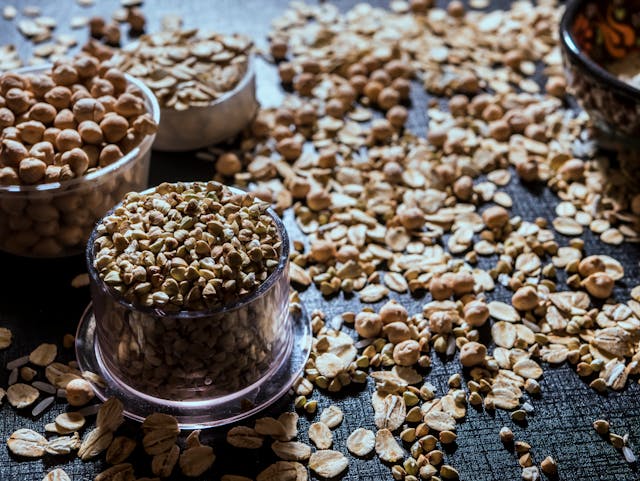
Ancient grains bring variety, satisfying textures, and useful nutrients to everyday meals. Cultivated over many generations, foods such as spelt, millet, teff, and sorghum offer plenty of reasons to look beyond your usual rice or pasta. Quinoa, amaranth, and buckwheat are technically seeds, often called pseudocereals, but we cook and eat them much like grains.
The term “ancient” does not automatically mean healthier or unprocessed. Ancient grains can be refined, and modern whole grains can be nutritious too. What matters most is choosing whole-grain versions when possible and fitting them into a varied diet. Here are ten reasons to give them a place in your kitchen, with simple ways to get started.
1. Nutrient density
Ancient grains contribute vitamins and minerals alongside the carbohydrates that fuel everyday activity. Quinoa supplies magnesium and iron, while whole spelt and farro contribute minerals and B vitamins. The amounts vary by grain, processing, and serving size, so rotating your choices is more useful than searching for one perfect option.
Read the ingredient list as well as the name on the package. Whole farro retains more of the grain than pearled farro, which has some outer layers removed. Pair a grain bowl with peppers, tomatoes, or a squeeze of lemon: vitamin C helps your body absorb iron from plant foods. Add beans and vegetables to make the bowl a fuller meal.
2. Helpful dietary fiber
Whole ancient grains can help you get more fiber, which supports regular bowel movements. Whole spelt, sorghum, and other intact grains are useful options, although their fiber content differs. Some grain fibers also provide food for microbes living in the gut.
If your current meals contain little fiber, introduce these foods gradually. Start by mixing a small amount of cooked grain into soup or replacing part of your usual rice. Drink enough fluid as you increase fiber, since a sudden change can cause bloating or discomfort. Persistent constipation, pain, or a major change in bowel habits deserves a conversation with a clinician rather than simply adding more bran or grains.
3. A contribution to plant protein
Ancient grains add protein to meals, which is useful whether you eat a vegetarian diet or simply want more plant foods. Quinoa contains all nine essential amino acids, earning it the description “complete protein.” That does not mean a serving supplies all the protein you need.
Think of grains as one part of your protein intake. Combine quinoa with chickpeas, stir lentils into cooked farro, or serve millet beside tofu, fish, or eggs. A varied diet can supply essential amino acids across the day; you do not need to construct a perfect combination at every meal. These pairings also make a grain-based lunch more substantial.
4. More gluten-free choices
Quinoa, amaranth, millet, teff, sorghum, and buckwheat are naturally gluten-free. They offer different flavors and textures for people who need alternatives to wheat. Buckwheat, despite its name, is not a type of wheat.
However, farro, spelt, einkorn, and other wheat varieties contain gluten, as does barley. Ancient wheat is not suitable for someone with celiac disease. If you must strictly avoid gluten, choose products labeled gluten-free and check blends, sauces, and preparation surfaces for cross-contact. If you suspect celiac disease, speak with a clinician before removing gluten, because changing your diet beforehand can affect testing. A dietitian can help you build balanced gluten-free meals.
5. A wider range of plant compounds
Along with vitamins and minerals, grains contain plant compounds such as phenolic acids. Sorghum and teff are examples that can contribute these compounds to your diet. Their presence is a good reason to enjoy food variety, but it does not establish that eating a particular grain prevents cancer or treats inflammation.
Use grains alongside other plant foods rather than expecting them to do everything. Try sorghum with roasted carrots and leafy greens, or add berries and nuts to warm teff porridge. Different ingredients bring different nutrients, flavors, and textures. The overall pattern of your meals matters more than an “antioxidant” claim on a package.
6. Support for crop diversity
Choosing a broader range of grains can create demand for crops beyond the few staples that dominate many diets. Some, including millet and sorghum, are adapted to dry growing conditions. That makes crop diversity an interesting part of the conversation about resilient food systems.
Still, an ancient grain is not automatically the most sustainable purchase. Water use, farming methods, local conditions, processing, and transport all matter. Look for suppliers that explain where their grains come from and how they are grown. Buy a small bag first so you can check that you enjoy it; using what you buy and avoiding food waste are practical steps too.
7. Versatility in the kitchen
There is an ancient grain for many familiar dishes. Chewy farro works in soups and salads, quinoa makes a quick bowl base, and millet can become a soft breakfast porridge. Teff thickens as it cooks, while sorghum holds its shape well in mixed salads.
Follow the package directions because water ratios and cooking times vary, especially between whole and pearled products. Rinse quinoa if directed to help remove any bitter residue. For an easy first meal, toss a cooked grain with roasted vegetables, beans, olive oil, and lemon. Refrigerate leftovers promptly in shallow containers, use within three to four days, or freeze portions for later meals.
8. Options for steadier blood sugar
Intact, fiber-containing grains can be useful when planning meals with blood sugar in mind. However, “ancient” does not guarantee a low glycemic index. Milling, cooking, portion size, and the other foods on your plate all influence the response. Finely milled grain flour behaves differently from an intact kernel.
Choose whole or less processed forms when practical, and serve them with vegetables and a protein source. A bowl of quinoa with beans and greens offers a different meal balance from a large serving of sweetened grain cereal. If you have diabetes, grains still contribute carbohydrates. Use your existing care plan and ask your clinician or dietitian about portions that suit your needs.
9. A place in heart-friendly meals
Whole grains can contribute to an eating pattern that supports heart health. Barley, often included in discussions of traditional grains, contains beta-glucan, a soluble fiber that can help lower LDL cholesterol. It does contain gluten, so it is not an option for everyone.
The meal surrounding the grain matters too. Try a vegetable and barley soup, or a quinoa salad with beans, herbs, and olive oil. Go easy on salty seasoning packets and heavy additions of butter or processed meat. Ancient grains can complement treatment and other daily habits, but they do not replace prescribed medication or clinical advice for high cholesterol or blood pressure.
10. Satisfying meals for weight management
The fiber, protein, and texture in whole grains can make meals satisfying and may help you feel full. They can fit into a weight management plan, but no grain guarantees weight loss. Portions, toppings, overall food intake, activity, sleep, and individual circumstances all play a role.
Serve a comfortable portion alongside plenty of vegetables and a protein source, then pay attention to hunger and fullness. If you are adding grains to a meal, consider replacing another starch rather than automatically adding more food. Choose preparations you enjoy and can repeat. For persistent difficulties with weight or eating, a clinician or registered dietitian can offer individualized support.
Start with one grain and one familiar meal. Swap quinoa into a rice bowl, add farro to soup, or try millet at breakfast. You do not need a complete pantry overhaul: a few enjoyable changes can bring more variety, whole grains, and useful nutrients to your everyday diet.