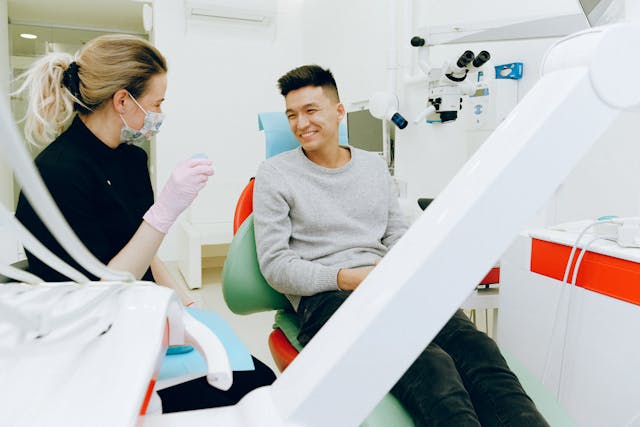
Good oral health can help you feel comfortable and confident, and finding a dental professional you trust is part of looking after it. Daily habits matter, but so does having someone who can assess your concerns, explain your options, and help you make informed decisions. Choosing that person deserves more thought than booking the first available appointment.
The right practice should suit your dental needs, schedule, communication preferences, and budget. A welcoming waiting room or an attractive advertisement can catch your attention, but neither tells you everything about the care available. Use the following steps to build a shortlist and decide whether a dentist is a good fit for you.
1. Know your dental needs and budget
Start by identifying why you need a dentist. You might want a regular provider after moving, an assessment of a particular concern, or advice about changing the appearance of your teeth. Write down your priorities before contacting clinics. You do not need to diagnose yourself; a clear description of your concerns gives the practice a better starting point.
A general dentist can be a starting point for many concerns and can explain when a specialist referral is appropriate. If you are considering treatment for misaligned teeth, ask who assesses and provides that care and whether they routinely work with adults. For children, ask about experience with their age group, how visits are introduced, and when the practice refers to a pediatric dentist.
Your personal circumstances matter, too. Tell the practice if you have dental anxiety, need wheelchair access, require an interpreter, or have difficulty sitting in a dental chair. Ask whether accommodations are available before you book. If you have health conditions or take medicines, check how the dentist collects and reviews that information when planning care.
Make cost questions specific. Ask what an initial appointment includes, whether imaging or other assessments may cost extra, and when you will receive an estimate. If you use dental insurance, confirm the provider’s participation with both the practice and your insurer. Ask about exclusions, approval requirements, and your likely share rather than assuming that accepting insurance means every service is covered.
For proposed treatment, request a written plan showing the recommended work, alternatives, expected stages, and estimated fees. Ask which concerns need prompt attention and which can reasonably wait. Payment arrangements may help with budgeting, but read any financing terms carefully. A good practice should allow questions without pressuring you into a commitment.
2. Review credentials and relevant experience
Before choosing a provider, confirm that the dentist holds a current license or registration with the relevant dental regulator where you live. The regulator’s public register can help you check identity, registration status, and any publicly listed restrictions or disciplinary findings. Match the full name to the professional you expect to see, especially in practices with several dentists.
Qualifications and experience deserve attention, but years in practice alone do not establish quality. Ask about experience with the particular care you may need and how the dentist keeps their knowledge current. A newer dentist may work within a supportive, experienced team, while a long-established practitioner may refer certain procedures to someone with more relevant training.
If a provider describes themselves as a specialist, check that designation through the appropriate regulator. A course certificate or an advertised interest in a procedure is not necessarily the same as recognized specialist training. Ask who will actually perform the treatment, what their role is, and whether another clinician will be involved.
It is also useful to understand the practice’s referral arrangements. A dentist should be willing to explain the limits of the care they provide and when another professional’s assessment would help. For complex or extensive treatment, ask whether you can obtain copies of your records and seek a second opinion. Clear explanations and openness to another assessment can help you make a confident choice.
3. Consider the clinic environment and equipment
A visit or initial consultation can tell you things a website cannot. Notice whether reception staff answer practical questions clearly, whether the space feels orderly, and whether your personal information is discussed discreetly. Check the accessibility features that matter to you, including entrances, bathrooms, seating, and space for a support person if needed.
Clean surroundings are reassuring, but appearances cannot confirm every infection-control process. You can ask how instruments are cleaned and sterilized and how the team manages hygiene between patients. Staff should be able to explain their procedures respectfully. If you notice something concerning, ask for clarification rather than trying to judge technical standards from the waiting room alone.
Modern equipment can support care, but a scanner, laser, or impressive display does not automatically make one clinic better than another. Ask why a particular tool or test is recommended for your situation, what it adds, and whether there are alternatives. The important consideration is whether the dentist chooses appropriate methods and explains their purpose.
Comfort also includes how you are treated in the chair. If you feel anxious, ask whether the team can explain each step, agree on a signal to pause, and allow breaks. If sedation is offered, ask who provides it, what assessment is required, and what arrangements you would need afterward. The clinician should explain suitability and risks before you decide.
Finally, consider whether attending will be manageable over time. Check opening hours, typical appointment availability, cancellation rules, and whether you can usually see the same dentist. Ask how urgent problems are handled during and outside office hours, including who to contact when the practice is closed. Convenient arrangements matter most when you understand exactly what is available.
4. Ask people you know about their experiences
Recommendations from friends, relatives, or colleagues can help you create a shortlist. Ask what they value about their dentist rather than simply asking whether the practice is good. Someone who appreciates quick appointments may have different priorities from someone who needs extra time to discuss anxiety or a complicated treatment plan.
Useful questions include whether the dentist explains options clearly, checks understanding, and discusses costs before treatment. Ask how the team responded when an appointment changed or a concern arose afterward. These details reveal more about everyday communication than a general description such as friendly or excellent. Remember that another person’s experience cannot guarantee the same outcome for you.
Online reviews can add context, especially when several describe a similar pattern involving communication, billing, or access. Read across different dates and consider how the practice responds while protecting patient privacy. A single review cannot establish malpractice or prove clinical quality. Serious concerns about professional conduct are better checked against information from the dental regulator.
Use your first appointment to assess the fit for yourself. Do you have time to ask questions? Does the dentist explain findings in language you understand and distinguish between necessary treatment and optional changes? Before agreeing to substantial work, make sure you understand the proposed benefits, risks, alternatives, costs, and consequences of waiting. If the explanation remains unclear, ask again or seek another opinion.
Choose someone you can work with
The goal is a dental professional whose qualifications, approach, and practical arrangements suit your needs. Compare a few realistic options, verify credentials, and pay attention to how each team communicates. You should feel able to discuss concerns and make decisions without pressure. Once you find that combination, you have a stronger basis for a lasting professional relationship.