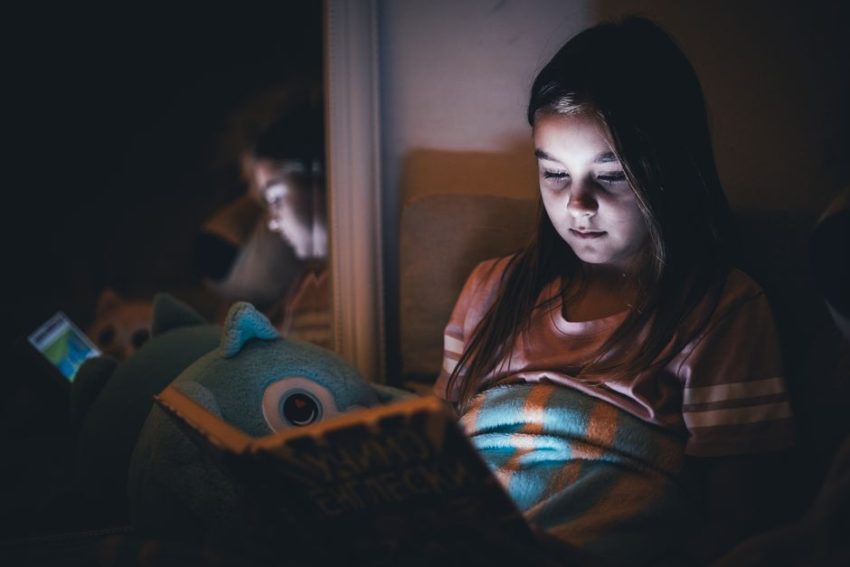
You scroll through your phone at 11:15 PM. Your brain feels wired, but your body is exhausted. Sound familiar?
Most people try to force sleep. That doesn’t work. Sleep is a biological process you need to invite, not command. The difference between restless nights and deep, restorative sleep is a deliberate pre-sleep routine.
This guide shows you exactly how to build one. No fluff. No “drink warm milk” advice from 1995. Just actionable steps based on how your nervous system actually works.
Why Your Current Wind-Down Fails
Your body doesn’t flip a switch from “awake” to “asleep.” It transitions through a process called sleep latency — the time it takes to move from full alertness to stage 1 sleep. A good routine shortens this. A bad one stretches it to 45+ minutes.
Three common mistakes wreck your wind-down:
- Bright light exposure after 9 PM. Your eyes register blue light from screens as midday sun. Your brain stops making melatonin. End result: you feel alert when you should be drowsy.
- Irregular timing. Going to bed at 10 PM on weekdays and 2 AM on weekends confuses your circadian rhythm. Your body never learns when to start winding down.
- Mental stimulation. Answering work emails, scrolling social media, or watching action movies keeps your sympathetic nervous system active. Your heart rate stays elevated. Sleep becomes impossible.
Fix these three things, and you fix 80% of sleep problems. The remaining 20% is about building the right sequence of actions.
The 90-Minute Wind-Down: Exact Timing
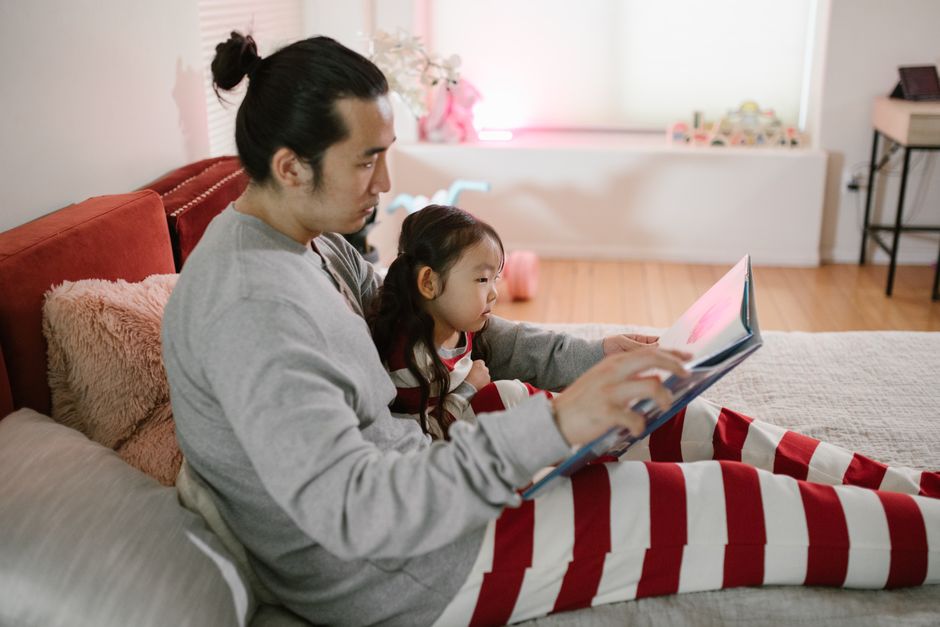
Your pre-sleep routine should start 90 minutes before your target bedtime. Not 30 minutes. Not 15. Ninety.
Here’s the breakdown by time block:
| Time Before Bed | Action | Why It Works |
|---|---|---|
| 90 minutes | Stop eating. No more food or sugary drinks. | Digestion raises core body temperature. A cooler core signals sleep onset. |
| 75 minutes | Dim house lights. Switch to warm, low-wattage bulbs. | Bright light suppresses melatonin. Dim light triggers production. |
| 60 minutes | Put phone on Do Not Disturb. Put it in another room. | Removes temptation to check notifications. Blue light from screens is the biggest sleep disruptor. |
| 45 minutes | Take a warm bath or shower (100-102°F / 37-39°C). | Warm water raises skin temperature. When you step out, your core cools rapidly — that drop signals sleep. |
| 30 minutes | Read a physical book. Fiction only. No thrillers. | Low-effort mental focus lowers heart rate. Non-stimulating content prevents racing thoughts. |
| 15 minutes | Light stretching or deep breathing (4-7-8 method). | Activates parasympathetic nervous system. Lowers cortisol. |
| 0 minutes | Lights off. Same time every night. | Consistency trains your body’s internal clock. |
Stick to this schedule for 14 days. After two weeks, your body will start feeling drowsy automatically at the 90-minute mark. That’s the goal.
Light Management: The Single Most Important Factor
Light is the strongest external cue for your circadian rhythm. Get this wrong, and nothing else matters.
What to do starting at sunset:
- Switch to warm lighting. Philips Hue bulbs set to 2200K (sunset color) or use dimmable warm LED lamps. Avoid anything labeled “daylight” or “cool white” after 7 PM.
- Wear blue-blocking glasses. The Uvex S1933X ($10 on Amazon) blocks 98% of blue light. Not stylish. Highly effective. Wear them from 8 PM onward if you must use screens.
- Use device settings. iPhone Night Shift set to “more warm.” Android Bedtime mode. F.lux app for computers. These help, but they’re not as effective as physical glasses.
- Eliminate LED standby lights. Cover blinking router lights, charger indicators, and power strips with electrical tape. Even small light sources disrupt sleep quality.
One study from the University of Colorado found that people who read on a tablet before bed had 55% lower melatonin levels compared to those who read a printed book. The difference is that dramatic.
Temperature and Your Sleep Environment

Your bedroom temperature should be 65-68°F (18-20°C). Most people keep their bedrooms too warm.
Why cool matters: Your body’s core temperature naturally drops by 1-2°F during sleep. A warm room fights this process. Your body works harder to cool down, which means less deep sleep and more waking up.
Practical steps for the right sleep environment:
- Set your thermostat to 66°F at bedtime. Program it to warm up 30 minutes before your alarm.
- Use a cooling mattress topper if you sleep hot. The Tempur-Pedic TEMPUR-Adapt Topper ($229) uses phase-change material that pulls heat away from your body.
- Wear socks to bed. Sounds counterintuitive, but warm feet dilate blood vessels, which helps your body shed heat faster. Cold feet delay sleep by up to 20 minutes.
- Use a weighted blanket (10-15% of your body weight). The pressure activates your parasympathetic nervous system and lowers cortisol. The Gravity Blanket ($179, 15 lbs) is the most tested option.
One mistake people make: exercising right before bed. Intense exercise raises core temperature by 2-3°F. It takes 60-90 minutes for your body to cool back down. Finish workouts at least 90 minutes before bedtime.
Mental Decompression: Stop Your Brain From Racing
Physical preparation matters. But if your mind is running a marathon at 11 PM, your body won’t sleep.
Three techniques that actually work:
Brain dump journaling. Write down everything on your mind — worries, to-do lists, random thoughts — for 5 minutes. Get it out of your head and onto paper. Studies show this reduces cognitive arousal and helps people fall asleep 15 minutes faster.
The 4-7-8 breathing method. Inhale through your nose for 4 seconds. Hold for 7 seconds. Exhale through your mouth for 8 seconds. Repeat 4-8 times. This activates your vagus nerve and drops your heart rate. Do this in bed with the lights off.
Progressive muscle relaxation. Starting from your toes, tense each muscle group for 5 seconds, then release for 10 seconds. Move up through your legs, abdomen, chest, arms, and face. Takes 10 minutes. Works better than counting sheep.
If racing thoughts persist after two weeks of consistent routine, consider cognitive behavioral therapy for insomnia (CBT-I). Apps like Sleepio ($299/year) offer structured programs. This is the first-line treatment recommended by the American College of Physicians, not sleeping pills.
What to Avoid in the 2 Hours Before Bed

This section is short. It needs to be. The rules are simple:
- Alcohol. A nightcap might make you feel drowsy, but it fragments your sleep. You wake up more often and spend less time in REM. One drink = measurable drop in sleep quality.
- Caffeine after 2 PM. Caffeine has a half-life of 5-6 hours. A 3 PM coffee still has 50% of its caffeine in your system at 8 PM. Switch to herbal tea (chamomile, valerian root, or passionflower) after lunch.
- Heavy meals. High-fat or high-protein meals close to bed cause acid reflux and raise body temperature. Stop eating 3 hours before bedtime.
- Work or stressful conversations. Checking email or arguing with your partner activates your fight-or-flight response. Set a hard boundary: no work devices after 8 PM.
- Clock watching. Looking at the clock and calculating how many hours of sleep you have left creates anxiety. Anxiety raises cortisol. Turn your clock away from the bed. Cover the display.
If you wake up in the middle of the night and can’t fall back asleep within 20 minutes, get out of bed. Go to a dark room and read a boring book. Don’t lie in bed frustrated. Your brain will start associating your bed with wakefulness.
Track Your Sleep to Know What Works
You can’t improve what you don’t measure. Use a sleep tracker for 14 days to see patterns.
What to track:
- Time you get into bed
- Estimated time you fall asleep
- Number of nighttime awakenings
- Total sleep time
- Morning wake time
- Subjective sleep quality (1-10 scale)
Wearable options: The Oura Ring Gen 3 ($299) gives the most accurate sleep stage tracking without a wristband. It measures heart rate, HRV, body temperature, and movement. The data syncs to an app that gives specific recommendations.
Non-wearable option: The Withings Sleep Tracking Pad ($129) slides under your mattress. It tracks sleep cycles, snoring, and heart rate. No charging needed. No wrist irritation. Less accurate than Oura but good enough for most people.
The key metric to watch: Your sleep efficiency — the percentage of time in bed actually spent asleep. Aim for 85% or higher. If you’re below 80%, your pre-sleep routine needs adjustment. Shorten the time you spend in bed if necessary.
After 14 days of tracking, you’ll know exactly which parts of your routine work and which don’t. Adjust one variable at a time. Change your light exposure, room temperature, or evening meal timing. Track the impact for 5 days. Repeat.
Deep rest isn’t complicated. It’s a system. Build the system, and sleep follows.
Medical Disclaimer: This content is for informational purposes only and does not constitute medical advice. Always consult a qualified healthcare professional before making health-related decisions.