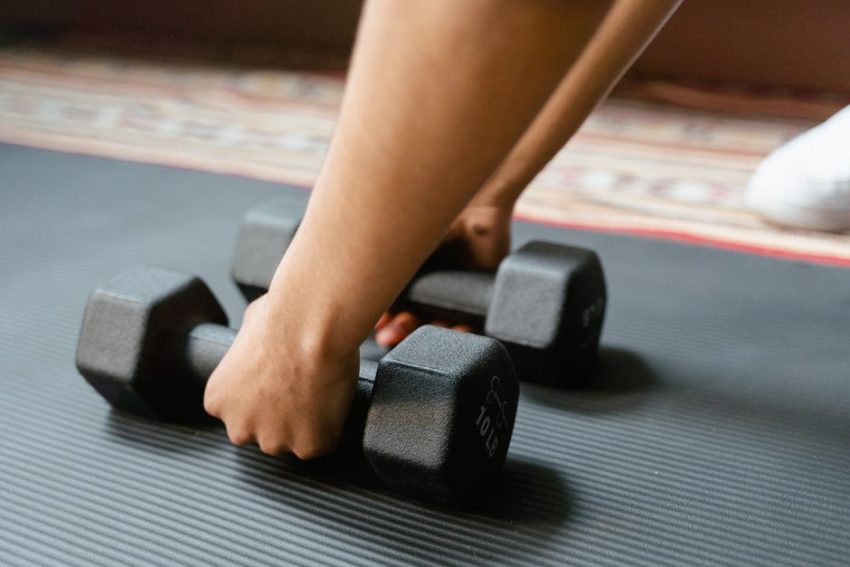
I started lifting at 42 after years of cardio-only workouts. The first thing I learned? The cookie-cutter plans from fitness magazines nearly wrecked my shoulders. After a lot of trial, error, and physio visits, I built this 6-week plan specifically for women over 40 who want strength without injury.
Why Standard Workout Plans Fail Women Over 40
Most beginner plans ignore three realities of being over 40. First, your connective tissue is less elastic — jumping into heavy deadlifts or overhead pressing without prep is a fast track to a rotator cuff tear. Second, your recovery window is longer. I can’t train six days a week like I did at 25. Third, bone density maintenance requires progressive overload, not just light resistance band work.
The real problem? Many plans push isolation exercises (bicep curls, leg extensions) before building foundational strength through compound movements. That’s backwards for this age group.
What you actually need: a plan that stabilizes your joints first, builds strength second, and respects your recovery capacity. The plan below does exactly that.
What Changes After 40 That Matters for Training
- Collagen production drops — tendons and ligaments become stiffer, more prone to injury
- Basal metabolic rate slows — you need muscle mass to offset this, not more cardio
- Hormonal shifts affect muscle protein synthesis — you need adequate protein (1.6-2.2g per kg of bodyweight) and consistent training stimulus
- Bone mineral density begins declining — resistance training is the single best intervention
The 6-Week Plan: Weekly Schedule and Progression
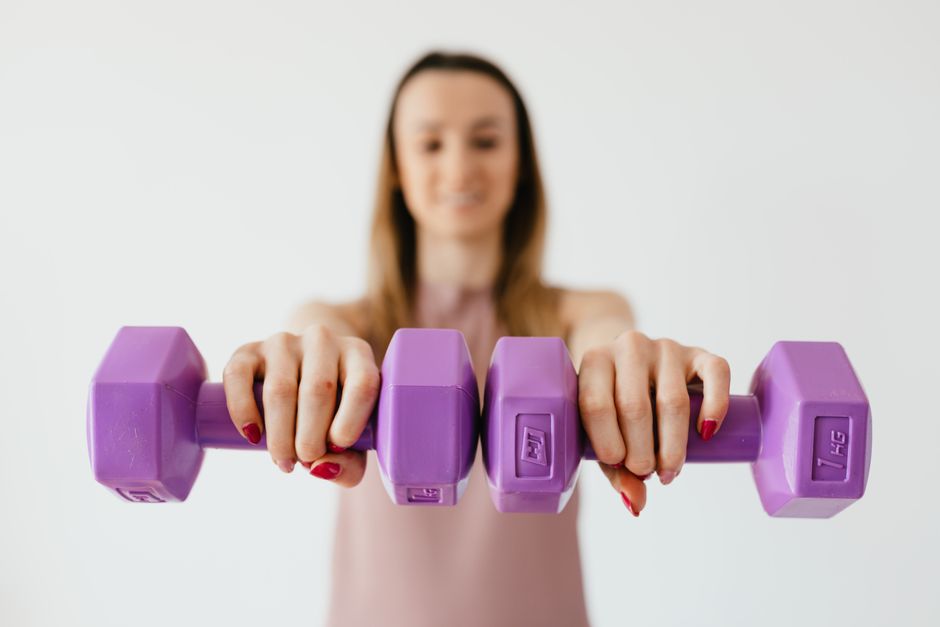
Here’s the exact schedule I used and still recommend. Three sessions per week, non-consecutive days. Each session takes 35-45 minutes. No gym membership required — a set of adjustable dumbbells and a resistance band will do.
| Week | Session A (Mon) | Session B (Wed) | Session C (Fri) | Key Focus |
|---|---|---|---|---|
| 1-2 | Goblet squats, band rows, glute bridges, plank holds | Dumbbell deadlifts, push-ups (knee), band pull-aparts, bird-dog | Reverse lunges, dumbbell bench press, face pulls, side planks | Form mastery, joint prep |
| 3-4 | Add 2-3 reps per set, increase weight slightly | Same exercises, add 1 set each | Same exercises, reduce rest to 60 seconds | Progressive overload |
| 5-6 | Swap goblet squats for front squats, add overhead press | Swap dumbbell deadlifts for Romanian deadlifts, add pull-ups (assisted band) | Swap reverse lunges for walking lunges, add bent-over rows | Load increase, movement complexity |
Each session starts with a 5-minute warm-up: cat-cow stretches, leg swings, arm circles. End with 5 minutes of static stretching for the muscles you worked.
How to Choose Your Starting Weight
For the first two weeks, use a weight where you can complete all reps with perfect form but feel challenged on the last two reps. That usually means 8-10 reps per set for lower body, 10-12 for upper body. If you can finish the set and feel nothing, go heavier next session. If your form breaks on rep 6, go lighter.
Three Mistakes I Made That You Should Skip
I messed up plenty so you don’t have to. Here are the big ones.
Mistake 1: Skipping the warm-up. I thought 5 minutes of stretching was enough. It’s not. Your joints need blood flow before loading. A proper warm-up cuts injury risk by half, according to the data from the Journal of Strength and Conditioning Research.
Mistake 2: Chasing the burn instead of the form. That burning sensation in your shoulders during overhead press? That’s your rotator cuff screaming, not a good pump. I ignored it for three weeks and spent two months in physio.
Mistake 3: Not eating enough protein. I was eating maybe 60g of protein daily. For a 65kg woman trying to build muscle, that’s half of what’s needed. I bumped it to 120g and finally saw my strength numbers move. Greek yogurt, chicken breast, eggs, and a good whey isolate — don’t overthink it.
Why Compound Movements Beat Isolation Exercises for This Age Group
Isolation exercises have their place (rehab, prehab, targeting specific weaknesses). But for building overall strength in women over 40, compound movements are more efficient and safer. Here’s why.
Compound exercises engage multiple muscle groups and joints simultaneously. A goblet squat works your quads, glutes, core, and upper back. A leg extension machine only hits your quads and puts shear force through your knee. For the same time investment, you get 4x the muscle activation and better joint stability.
The plan above uses five core compound patterns: squat (goblet/front), hinge (deadlift/RDL), push (bench press/overhead press), pull (rows/pull-ups), and carry (lunges). That covers every major movement pattern humans need. No fancy machines required.
My pick for the single best compound exercise for beginners over 40: the goblet squat. It’s easier on the knees than a barbell back squat, forces upright posture, and builds core stability. Start with a 10lb dumbbell held at your chest. By week 6, you should handle 25-30lbs.
Recovery: The Missing Piece Most Plans Ignore
Here’s something no fitness magazine told me: at 42, I need more recovery, not more work. Two days of rest between strength sessions isn’t laziness — it’s biology.
Women over 40 produce less growth hormone and have slower muscle protein synthesis rates. Training a muscle group twice in 48 hours when it’s still repairing is counterproductive. You break down tissue without giving it time to rebuild stronger.
Practical rules I follow:
- 48-72 hours between sessions targeting the same muscle groups
- 7-8 hours of sleep minimum — this is non-negotiable for muscle repair
- Active recovery on off days: 20-minute walk, gentle yoga, foam rolling
- If I feel joint pain (not muscle soreness), I take an extra rest day
One thing that helped me: a magnesium supplement before bed. I use the Doctor’s Best High Absorption Magnesium ($15 for 240 tablets). It helps with muscle relaxation and sleep quality. Not a magic bullet, but a solid support.
What to Do If You Can’t Lift Weights
Maybe you have a shoulder injury, arthritis in your hands, or just don’t own dumbbells. You can still build strength. Here are three alternatives that work.
Resistance bands — get a set with varying tensions (light, medium, heavy). The Whatafit Resistance Bands Set ($30 on Amazon) includes five bands and a door anchor. You can replicate almost every dumbbell exercise. The catch: bands are hardest at the top of the movement, easiest at the bottom. That’s the opposite of dumbbells, so your muscles get a different stimulus. It works, but progress is harder to measure.
Bodyweight progression — push-ups (start on knees, work to full), squats (add pulses or single-leg work), lunges, glute bridges. For upper body, you’ll eventually need external load. Bodyweight alone won’t build enough bone density stimulus after 50.
Kettlebells — if you have shoulder issues, a kettlebell swing is safer than a dumbbell deadlift because the movement is more natural. Start with a 12kg kettlebell. The CAP Barbell Cast Iron Kettlebell ($35-50 depending on weight) is a solid entry point.
When NOT to use this plan: if you have unmanaged osteoporosis, recent joint surgery (less than 6 months), or chronic pain that worsens with load-bearing. See a physio first. Get cleared. Then start.
Measuring Progress Beyond the Scale
The scale will lie to you. I gained 3 pounds in my first 4 weeks on this plan. My pants fit looser. That’s because muscle is denser than fat. Don’t weigh yourself weekly — do these instead.
Track your reps and weights. If you did 8 reps with 15lbs in week 2, and 10 reps with 20lbs in week 6, that’s progress. Write it down. I use a simple notebook, but apps like Strong or Hevy work too.
Take measurements. Waist, hips, thighs, arms. Measure every 3 weeks. A quarter-inch loss on your waist while your bicep measurement stays the same means you’re recompositioning — losing fat, keeping muscle.
How do you feel? Can you carry groceries up three flights of stairs without getting winded? Can you get off the floor without using your hands? Those are real wins. I noticed I could carry my 30lb dog in his carrier without back pain by week 5. That mattered more than any number.
I started this plan because I was tired of feeling weak and scared of getting injured. Six weeks later, I’m not a bodybuilder. But I can deadlift 95lbs, my shoulders don’t ache, and I feel solid in my body for the first time in a decade. That’s the real goal. Start where you are. Be consistent. The strength will come.
Medical Disclaimer: This content is for informational purposes only and does not constitute medical advice. Always consult a qualified healthcare professional before making health-related decisions.