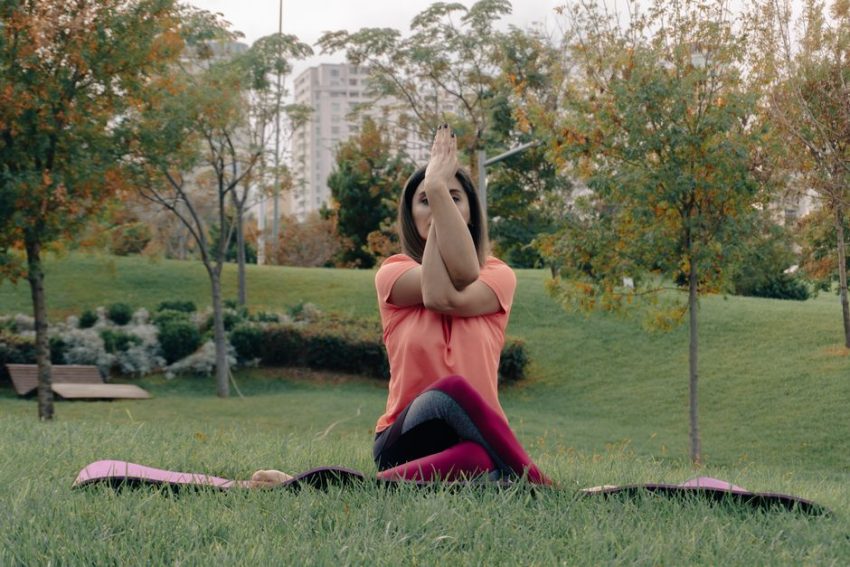
I used to treat stretching as a quick toe-touch before exercise. That changed when I learned that flexibility and mobility are different skills, and both improve faster with a simple plan than with aggressive stretching.
Stretching and Mobility: What Should a Beginner Train?
My verdict: beginners should train mobility first, then add focused stretching. Stretching helps a muscle tolerate a longer position. Mobility asks you to control that position with your joints, muscles, and balance. You need both, but passive flexibility alone does not guarantee that you can squat, reach overhead, or rotate your spine comfortably.
Flexibility is range; mobility is usable range
Imagine lying on your back and lifting one leg with your hands. That shows passive hamstring flexibility. Now stand up and lift the same leg without leaning, twisting, or holding anything. The second test shows active mobility. A large passive range with poor control often feels unstable. A smaller range that you can control is more useful in daily life and training.
Mobility work usually combines a joint position with slow movement. An ankle knee-to-wall drill, for example, asks the ankle to move forward while the heel stays down. A controlled hip rotation asks the hip to move without the lower back taking over. These drills teach your body where it can move and how to stay steady there.
Why forcing a stretch usually backfires
Forcing range creates a clear warning sign: sharp pain, pinching, numbness, tingling, or a feeling that the joint might give way. Those sensations are not proof that the stretch is working. They can make you tense up and move less freely next time. I prefer a mild pull that stays steady while I breathe normally. After several weeks, the range usually improves because the body trusts the position more.
For most beginners, use dynamic mobility before exercise and longer static stretches after a warm-up or in a separate session. That combination gives you control first and extra range second.
How to Build a 15-Minute Mobility Routine
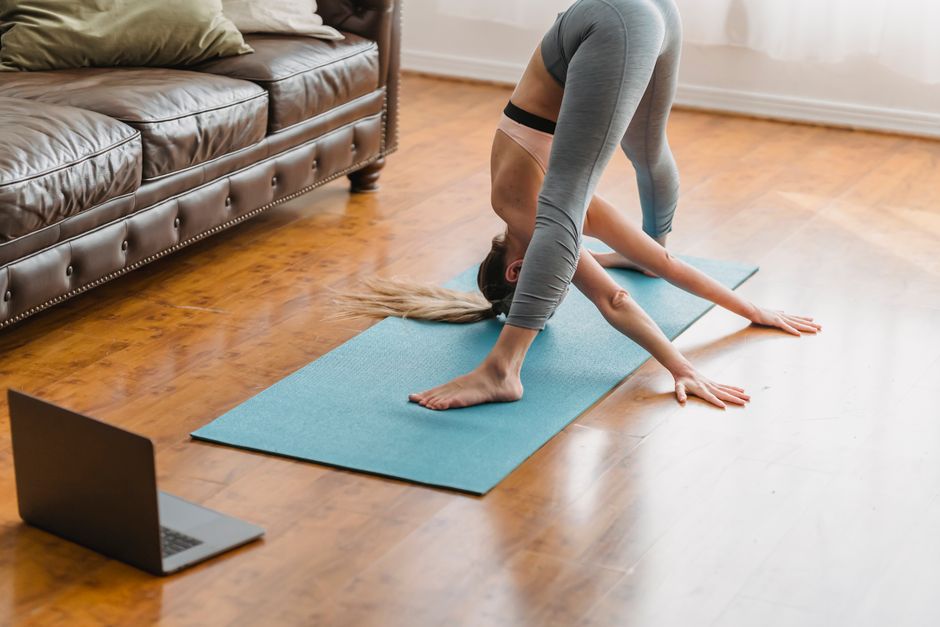
A short routine beats an ambitious routine that you perform once. I recommend 15 minutes, four or five days per week, with no exercise taken past a mild stretch or controlled limit.
Use this five-part sequence
- Raise your temperature for two minutes. March in place, walk briskly, or cycle easily. Your joints move better when your body is warm.
- Mobilize the spine for three minutes. Perform six to eight slow cat-cow repetitions, then add five thoracic rotations per side. Keep the motion smooth instead of chasing a dramatic twist.
- Open the hips for four minutes. Use half-kneeling hip shifts for eight repetitions per side, followed by five controlled hip circles per side. Keep your ribs stacked over your pelvis.
- Work the ankles for three minutes. Place one foot a few inches from a wall and drive the knee forward without lifting the heel. Do ten repetitions per side, then repeat once.
- Finish with one static stretch for three minutes. Pick the area that feels most restricted. Hold for 20 to 30 seconds per side, rest briefly, and repeat twice.
How hard should each movement feel?
Use a simple zero-to-ten scale. Zero feels like no stretch. Ten feels painful or threatening. Keep dynamic drills around two to four out of ten and static stretches around three to five. You should be able to breathe through your nose, speak a sentence, and leave the position without a jolt.
Progress by adding one or two controlled repetitions, not by forcing a deeper position. If your form changes, the range is too large. I would rather see a clean knee-to-wall drill with the heel down than a dramatic lunge that twists the foot and lower back.
Why Does Stretching Hurt, and Which Mistakes Should You Avoid?
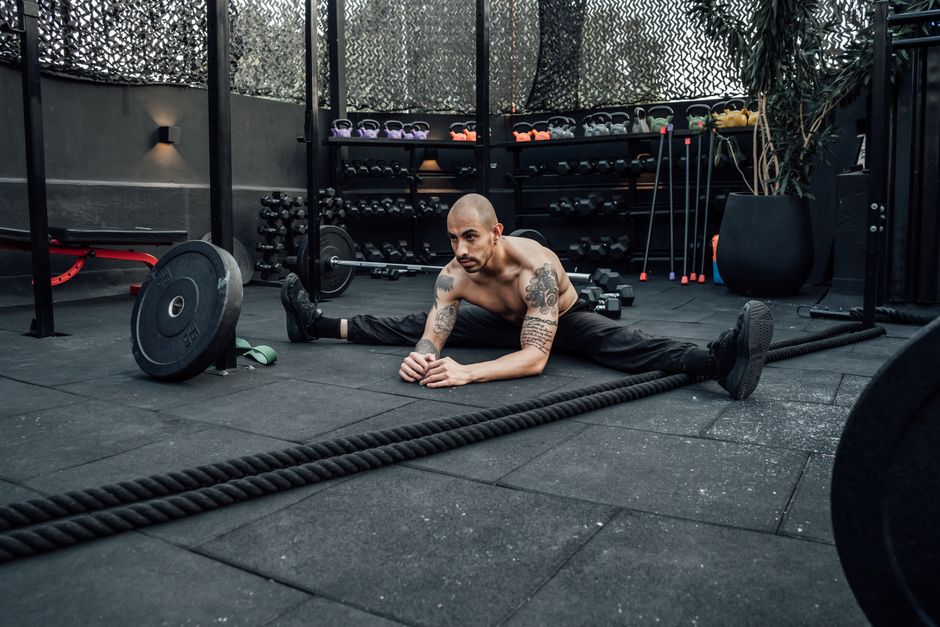
The clearest rule I use is simple: muscle tension can be acceptable; sharp joint pain is not. Stop the drill when symptoms travel down an arm or leg, when a joint pinches, or when you feel numbness, weakness, or instability. Persistent pain deserves an assessment from a qualified health professional rather than a harder stretching routine.
Why does a stretch feel stronger on one side?
One-sided tightness can come from training habits, old injuries, posture, or simply normal differences between limbs. Do not force the tighter side to match the looser side in one session. Start with the restricted side, use the same number of repetitions on the other side, and compare how the movement feels the next day.
Is bouncing ever useful?
Not for a beginner trying to improve basic flexibility. Bouncing adds speed at the exact point where you need control. Use slow repetitions instead. Move into the position for two seconds, pause, and return for two seconds. This gives you feedback and reduces the chance of treating a painful range as a target.
What mistake causes most setbacks?
Doing too much after a good first session causes many problems. A person feels looser, adds more stretches, holds each one for two minutes, and wakes up sore. I would rather see three modest sessions than one heroic session. Keep the routine small enough that you can repeat it while walking, climbing stairs, and exercising normally.
What Equipment Is Worth Buying for Mobility?
You do not need equipment to start. A floor, a wall, and comfortable clothing cover the first month. If you practice consistently and want more comfort, buy a stable mat before chasing specialized tools. My value pick is the Gaiam Essentials Thick Yoga Mat because it costs about $25 and gives beginners enough cushioning for kneeling drills.
| Product | Useful specification | Approximate US price | My verdict |
|---|---|---|---|
| Gaiam Essentials Thick Yoga Mat | About 72 x 24 inches, roughly 2/5-inch thick | $25 | Best low-cost choice for floor mobility |
| Manduka PRO Yoga Mat | 6 mm thick, about 71 x 26 inches | $138 | Best for long-term durability and firm support |
| TriggerPoint GRID Foam Roller | 13 inches long, 5.5-inch diameter, textured surface | $37 | Best first roller for general muscle work |
| BLACKROLL STANDARD 45 | 45 cm long, 15 cm diameter, medium-firm foam | $35 | Best compact roller for travel |
What to skip at the beginning
Skip expensive stretching machines, extreme flexibility programs, and hard massage tools marketed as a cure for every limitation. A roller may make a muscle feel less tense for a short time, but it does not replace strength or controlled movement. I would buy the inexpensive mat, practice for four weeks, and only then decide if a roller solves a real problem in your routine.
The Manduka PRO is a good choice if your knees hurt on thin mats or you expect years of regular practice, but it is a poor first purchase for someone who has not built the habit. The TriggerPoint GRID is more useful than a premium roller for most beginners because it is affordable, easy to control, and large enough for the calves, thighs, and upper back.
Which Mobility Method Should a Beginner Choose?
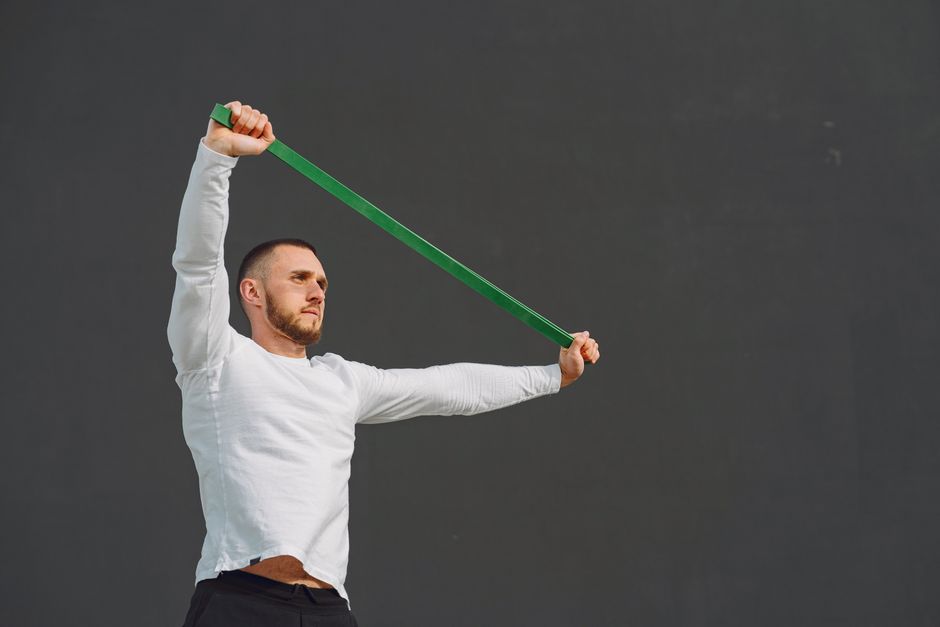
For most beginners, combine dynamic mobility before exercise with static stretching after exercise. Add foam rolling only when it helps you move more comfortably, and add loaded mobility after you have learned the basic positions without pain.
Use the method that matches the problem
| If your main goal is… | Start with… | Avoid… | Clear beginner choice |
|---|---|---|---|
| Feeling stiff before exercise | Five minutes of dynamic mobility | Long relaxed holds before explosive work | Move actively through easy ranges |
| Improving a tight muscle | 20 to 30-second static holds after warming up | Painful forcing or bouncing | Repeat mild holds twice per side |
| Moving better in a squat | Ankle and hip control drills | Only stretching the hamstrings | Practice the full squat pattern slowly |
| Reducing temporary muscle tension | Gentle rolling followed by movement | Digging into painful spots | Use light pressure for 30 to 60 seconds |
| Building lasting end-range strength | Active holds and gradual resistance | Chasing passive range alone | Own the position before adding load |
The best routine is the one you can repeat without fear, sharp pain, or a long recovery period. Start with 15 minutes, track one movement such as the squat or overhead reach, and change only one variable at a time. After four weeks, your clearest sign of progress should be smoother control and easier daily movement.
Always consult a qualified healthcare professional before making health-related decisions.