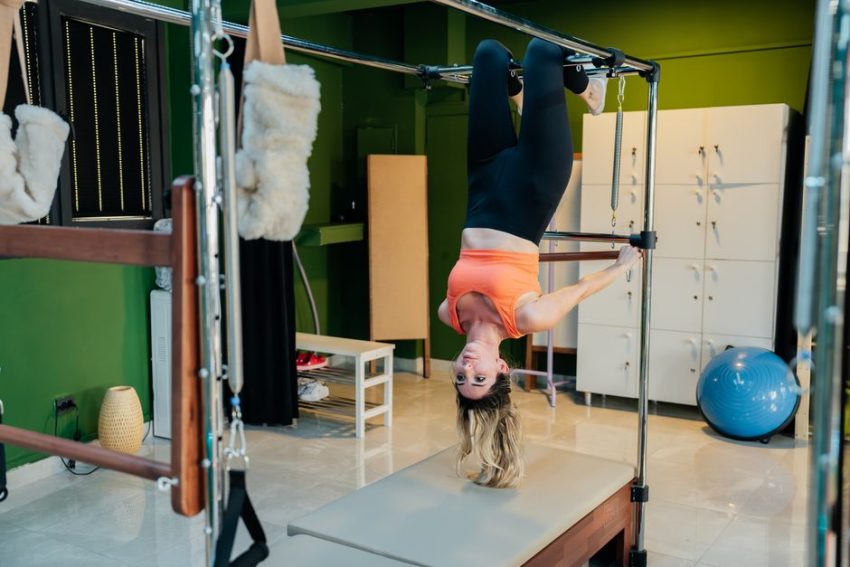
Sweat loss during hard exercise in hot conditions can reach 1 liter per hour. That is enough to turn an ordinary run into a problem before you feel seriously thirsty. I learned to treat summer workouts as a pacing and cooling problem, not a toughness test. The best session is the one you finish feeling steady, alert, and able to recover normally.
The CDC heat guidance for athletes recommends moving workouts away from the hottest part of the day, starting slowly, drinking more water than usual, and stopping immediately if you feel faint or weak. These six rules turn that advice into a routine I can actually follow.
1. Check the heat before you check your training plan
The first mistake is opening a training app, seeing a hard workout, and then pretending the weather does not change the workload. Heat and humidity raise the effort of the same pace. Sun exposure, poor airflow, dark clothing, and a lack of shade add more strain. I check the forecast, humidity, air quality, and route before deciding what kind of workout I am doing.
Use this decision table
| Conditions | My workout choice | Adjustment |
|---|---|---|
| Below 75°F with low humidity | Normal easy or moderate workout | Keep the planned pace and carry water for sessions over 45 minutes |
| 75–84°F or noticeably humid | Easy workout or shorter intervals | Slow the pace by roughly 5–10 percent and add a cooling break |
| 85–94°F, humid, or full sun | Indoor cardio, walking, or easy strength work | Move outside before sunrise or after sunset; skip hard intervals |
| 95°F or higher, heat warning, smoky air, or no shade | Indoor workout or rest | Do not force an outdoor session |
Why humidity changes the answer
Your body cools itself mainly by letting sweat evaporate. Humid air slows that evaporation, so a shirt soaked with sweat does not mean you are cooling well. I also check the air-quality index when wildfire smoke or high ozone is present. A cool morning with unhealthy air can still be a bad time for a hard run.
My clear verdict
If the route has no shade, no water, and no quick way home, I do not run it during a heat warning. I switch to an air-conditioned gym, a shaded walk, or a shorter indoor workout. Missing one session costs nothing. Heat illness can cost days or weeks.
2. The safest summer pace feels almost too easy
Start below your normal effort
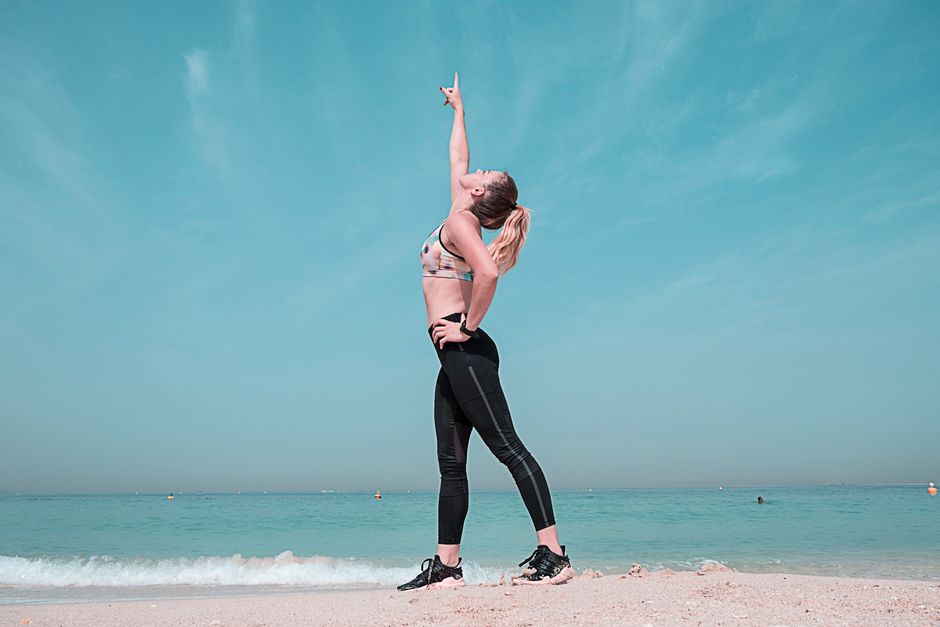
My strongest rule is simple: in serious heat, effort controls pace. I begin the first 10 minutes at a pace where I can speak in full sentences, then reassess my breathing, legs, and alertness. If my heart rate climbs unusually fast, I slow down even when the planned pace looks easy on paper. Heat already raises cardiovascular strain because more blood moves toward the skin for cooling, so the same speed demands more from the body.
Stop before the warning becomes a crisis
Do not negotiate with dizziness, weakness, chills, nausea, headache, confusion, unusual clumsiness, or muscle cramps. Stop, move to shade or air conditioning, loosen extra clothing, and cool your skin with water. I would rather end a workout after 20 minutes than try to prove something to a training calendar. Feeling faint or weak is a stop signal, not a sign to drink quickly and continue.
That is the whole verdict: summer training should feel controlled, not heroic.
3. Hydrate with a plan, but do not force gallons of water
Hydration is not a contest to see how much water you can carry. Drinking too little can reduce performance and increase heat strain, while forcing large amounts of plain water can dilute blood sodium during long events. The practical target is steady fluid intake that matches the session, the weather, and your sweat rate. For a short, easy workout, water and a normal meal are usually enough. For a long, sweaty session, fluids plus sodium-containing food or a sports drink may make more sense.
Before the workout
Start normally hydrated instead of trying to rescue the session with a huge bottle five minutes before leaving. Pale-yellow urine is a useful rough check, but it is not a perfect laboratory test. Drink with meals, take water on the route, and avoid starting a hard workout after alcohol, vomiting, diarrhea, or a full day of barely drinking. If a doctor has limited your fluid or salt intake, follow that medical plan instead of generic exercise advice.
During the workout
For sessions under an hour, take small drinks when you are thirsty and bring more if the route is hot or isolated. For longer sessions, weigh yourself before and after a few representative workouts, wearing similar clothing and accounting for what you drank. Losing 2 pounds during a workout means you lost roughly 32 ounces of body mass, mostly fluid. That estimate can help you stop guessing, but do not try to replace every ounce instantly.
After the workout
Eat a normal meal containing carbohydrates, protein, and some sodium. Keep drinking normally over the next few hours. If your urine stays very dark, you cannot keep fluids down, your headache worsens, or you feel confused, seek medical help. The CDC heat-illness guidance treats confusion, severe weakness, and signs of heat stroke as emergencies, not routine dehydration.
4. Build a heat-safe workout in seven practical steps
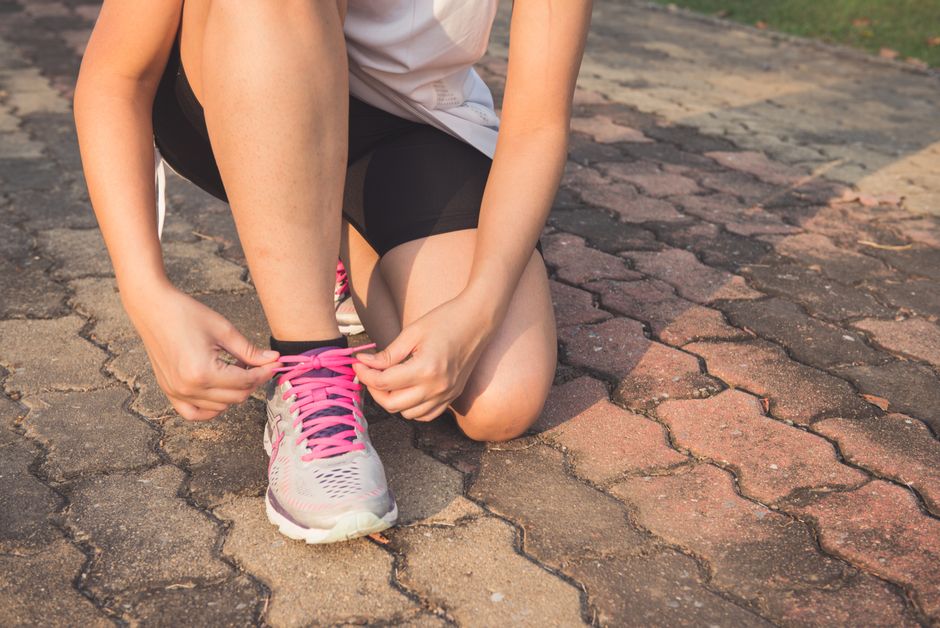
I use this checklist before outdoor exercise. It takes less than two minutes and catches most of the mistakes that have ruined summer sessions for me.
- Pick the cool window. Choose early morning or evening, and remember that pavement can stay hot after sunset. If the forecast is severe, move indoors.
- Choose a route with exits. A loop near water fountains, shops, libraries, or your home is safer than a remote straight line. Tell someone where you are going for longer workouts.
- Wear loose, light clothing. A light-colored synthetic shirt, breathable shorts, a cap, and sunglasses work better than a heavy cotton layer that stays wet. Apply sunscreen according to its label.
- Carry enough fluid. The CamelBak Podium Chill 24-ounce bottle is listed at $20 and weighs about 122 grams; its insulated body and bike-cage fit make it useful for cycling, but a plain bottle works just as well if you can refill it.
- Use data as a warning, not a dare. The Garmin Forerunner 265 launched at $449.99 and gives pace, heart-rate, and GPS data. I like it for keeping easy runs easy, but no watch can diagnose heat stroke or overrule symptoms.
- Add a cooling break before you need one. Stop in shade every 15–20 minutes on a hot route, pour cool water on your neck or forearms, and reduce effort before your form falls apart.
- Have a hard stop. If dizziness, nausea, confusion, severe headache, or unusual weakness appears, end the workout and get help. Do not walk home alone while impaired.
What I would not buy first
I would not buy an expensive hydration vest for a 30-minute neighborhood walk. A $10–$20 bottle, a shaded route, and a sensible start time solve the real problem. Buy extra gear only when distance, refill access, or heat exposure proves that you need it.
6. Know the difference between discomfort and an emergency
When is it time to stop?
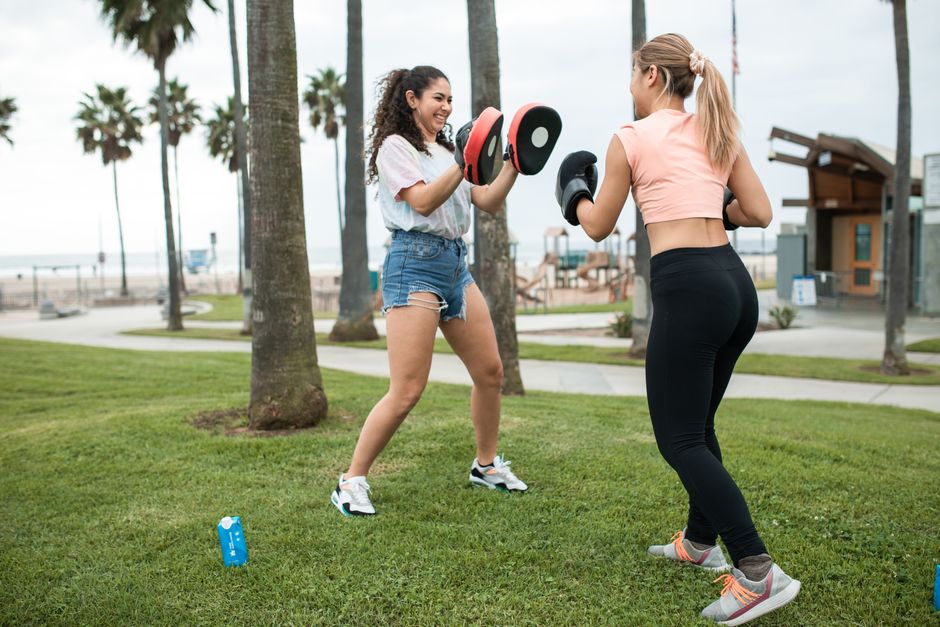
Stop immediately for dizziness, faintness, confusion, nausea, severe headache, unusual weakness, loss of coordination, or muscle cramps that do not settle after rest. Move into shade or air conditioning, remove extra clothing, cool the skin with water or cold packs, and stay with another person. Do not restart because you feel slightly better after one minute.
When should someone call emergency services?
Confusion, loss of consciousness, seizures, very hot skin, or suspected heat stroke requires emergency help. Call the local emergency number, cool the person rapidly with cold water, ice packs, or wet towels, and do not leave them alone. If dark tea-colored urine, severe muscle pain, or extreme weakness appears after hard exercise, seek urgent medical care because exertional rhabdomyolysis can damage the kidneys.
Who needs a lower threshold for caution?
People who are pregnant, older, very young, living with heart, kidney, lung, or metabolic disease, taking medicines that affect sweating or fluid balance, or adapting to a new climate should get personal medical advice before hard workouts in heat. Do not stop prescribed medicine on your own. For everyone else, the safest summer habit is still the same: lower the effort early, cool down quickly, and treat unusual symptoms as a reason to stop.
The single most important takeaway is this: when heat changes how your body feels, slow down or stop before your body has to make the decision for you.
Always consult a qualified healthcare professional before making health-related decisions.