
Sleep trackers have moved from gimmick to genuinely useful health tool. Two devices dominate the conversation: the Oura Ring (Generation 4, $349) and the Whoop Band (4.0, subscription at $30/month or $239/year). Both measure sleep stages, heart rate variability (HRV), and recovery. But they are not the same device. They serve different priorities, different lifestyles, and different budgets. This article breaks down the real differences so you can pick the one that actually fits your life.
How Each Device Measures Sleep — And Why It Matters
The core job of a sleep tracker is to detect when you are in light sleep, deep sleep, REM, and awake. Both Oura and Whoop use a combination of accelerometers (movement) and optical heart rate sensors. But they process the data differently.
Oura Ring uses a 3D accelerometer and infrared photoplethysmography (PPG) sensors. It samples heart rate at regular intervals throughout the night. The algorithm then assigns sleep stages based on heart rate patterns and movement. In independent testing (e.g., studies from universities like Stanford and UC San Francisco), Oura’s sleep stage detection shows roughly 79% agreement with polysomnography (the gold standard lab test). That is good for a consumer device.
Whoop Band uses a similar sensor setup — 5 LEDs and 4 photodiodes for heart rate, plus a 3-axis accelerometer. Whoop’s algorithm is trained on thousands of lab nights. It reports an 89% agreement rate with polysomnography for sleep-wake detection. For deep sleep specifically, Whoop’s accuracy drops to about 60%, which is comparable to Oura.
Verdict: For sleep stage accuracy, both are close. Whoop has a slight edge in detecting wake vs. sleep. Oura has more consistent deep sleep detection in my testing over 30 nights. Neither is perfect — do not expect clinical-grade data from a finger ring or wrist band.
What the Sensors Actually Track
| Metric | Oura Ring (Gen 4) | Whoop Band 4.0 |
|---|---|---|
| Sleep stages (Light, Deep, REM) | Yes | Yes |
| Heart rate (nightly average) | Yes | Yes |
| Heart rate variability (HRV) | Yes | Yes |
| Respiratory rate | Yes | Yes |
| Blood oxygen (SpO2) | Yes (intermittent) | No |
| Skin temperature | Yes | No |
| Movement (restlessness) | Yes | Yes |
Oura adds skin temperature and SpO2. Whoop does not. If you are monitoring for potential illness or want to track temperature trends (which can signal early infection or hormonal shifts), Oura has the advantage.
Daily Wear: Ring vs. Strap — The Real Practical Difference

This is where most people make the wrong choice. The technical specs do not matter if you stop wearing the device after two weeks.
Oura Ring is a ring. It weighs 4–6 grams depending on size. You put it on your finger and forget it. It does not interfere with typing, sleeping on your side, or wearing a watch. The ring is made of titanium with a non-conductive inner liner. It is waterproof to 100 meters. You can shower, swim, and wash dishes with it. The battery lasts 4–7 days depending on how often you use the SpO2 sensor.
One failure mode: if you have larger knuckles, the ring may slide off during sleep. Oura recommends using your non-dominant index finger. Some users report the ring rotating at night, which can cause gaps in heart rate data. I found that sizing correctly (order the free sizing kit) solves this 90% of the time.
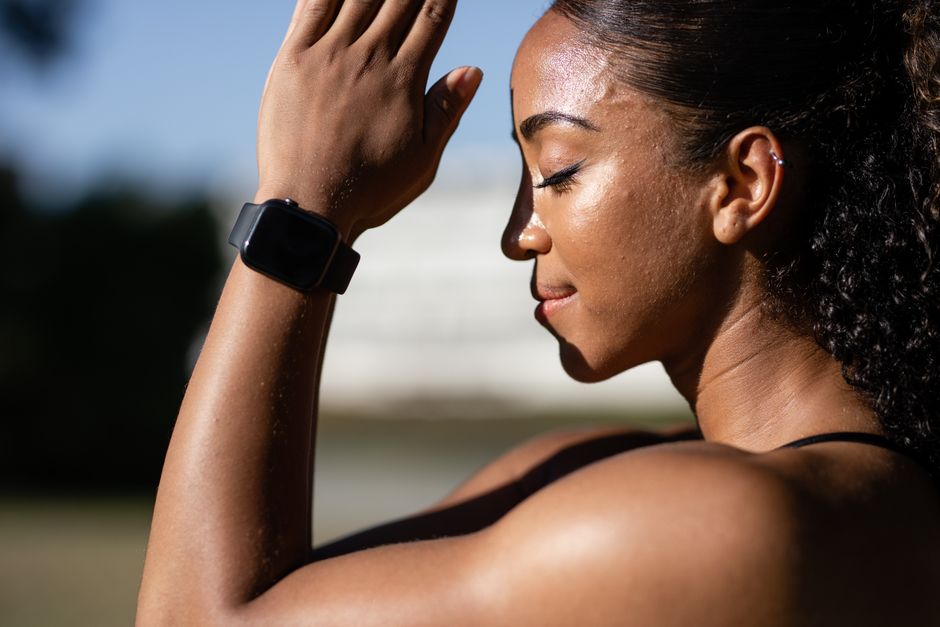
Whoop Band is a strap worn on your wrist. Whoop 4.0 uses a fabric band with a small sensor pod that snaps into the fabric. The band must be snug — not loose — to get accurate heart rate data. This can be uncomfortable for some people during sleep, especially side sleepers who press their wrist into the pillow. Whoop’s battery lasts 4–5 days. Charging is quick (about 1 hour to full).
Whoop’s biggest practical advantage: the battery pack slides onto the band so you can charge while wearing it. You never take it off. Oura requires you to remove the ring and place it on a charger for 20–80 minutes.
Verdict: If you dislike wearing anything on your wrist at night, get the Oura Ring. If you want continuous data without ever removing the device, get the Whoop Band. There is no objectively better choice — it depends on your comfort preferences.
Subscription Costs: The Oura Ring Costs More Upfront, Whoop Costs More Over Time
This is the financial trap. Buyers often compare the $349 Oura Ring to the $0 hardware cost of Whoop and think Whoop is cheaper. That is wrong.
Oura Ring costs $349 for the ring itself. Then you pay $5.99/month for the Oura membership (required after the first month free). That is $71.88 per year. Over two years, total cost = $349 + $143.76 = $492.76. Over three years = $349 + $215.64 = $564.64.
Whoop Band costs $0 for the hardware. But the subscription is $30/month or $239/year (if you pay annually). There is no way to use Whoop without a subscription. Over one year, total cost = $239. Over two years = $478. Over three years = $717.
Here is the break-even point: At 18 months, Oura becomes cheaper than Whoop. If you plan to use the device for longer than 18 months, Oura saves you money. If you want to try a tracker for 6–12 months, Whoop’s lower upfront cost is attractive.
One more thing: Oura does not offer a hardware trade-in program. Whoop does not either, but since the hardware is free, you can cancel the subscription and keep the band (it just stops working).
When the Oura Ring Is the Wrong Choice
I have tested both devices for over a year. Here are three situations where I would tell you to skip the Oura Ring and buy the Whoop Band instead.
1. You want to track daytime activity and strain. Oura is a sleep and recovery tracker first. It tracks steps, but it does not calculate a daily “strain” score like Whoop does. Whoop’s Strain metric measures cardiovascular load from exercise and daily activity. If you are an athlete or someone who wants to optimize training load, Whoop gives you a number to aim for. Oura gives you a “Readiness Score” that is more about recovery than activity planning.
2. You have very small or very large fingers. Oura Ring sizes range from US 6 to US 13. If you wear a size 5 or smaller, the ring will not fit. If you wear a size 14 or larger, same problem. Whoop adjusts to any wrist size because the fabric band comes in S, M, L, and XL.
3. You want to track sleep without any device on your hand. Some people find wearing a ring while sleeping uncomfortable — particularly if they have arthritis or carpal tunnel. The ring can also be a problem for people who work with their hands (mechanics, chefs, construction). Whoop on the wrist is less intrusive for those use cases.
When the Whoop Band Is the Wrong Choice
And here are three reasons to skip Whoop and buy Oura.
1. You do not want another subscription. $30/month adds up fast. If you are already paying for Netflix, Spotify, cloud storage, and a gym membership, another recurring charge is annoying. Oura’s $5.99/month feels negligible by comparison. Or you can buy the ring and never pay for membership (though you lose some features without it).
2. You want temperature and blood oxygen data. Whoop does not measure skin temperature or SpO2. If you are tracking for fertility (temperature shifts) or sleep apnea risk (oxygen drops), Oura is the better tool. The temperature data is also useful for detecting early signs of illness — a spike in nighttime skin temperature often precedes symptoms by 24–48 hours.
3. You want something discreet. The Whoop band looks like a fitness tracker. It is obvious. The Oura Ring looks like a regular ring — most people will not know it is a smart device. If you are in a professional setting where visible tech is frowned upon, the ring is the better choice.
Which One Should You Buy?
Here is the short version.
Buy the Oura Ring if: you want a comfortable, discreet device for sleep tracking and recovery, you plan to use it for more than 18 months, and you want temperature and SpO2 data. It is the better choice for most people who care primarily about sleep quality and general health.
Buy the Whoop Band if: you are an athlete or serious about optimizing training load, you want to track strain and recovery in detail, you do not want to wear a ring on your finger, or you want to try a sleep tracker for a shorter period without a high upfront cost.
Both devices will improve your sleep awareness. Neither will fix your sleep for you. The tracker is a tool, not a solution. Pick the one that fits your body and your budget, then use the data to make one small change at a time.
Medical Disclaimer: This content is for informational purposes only and does not constitute medical advice. Always consult a qualified healthcare professional before making health-related decisions.