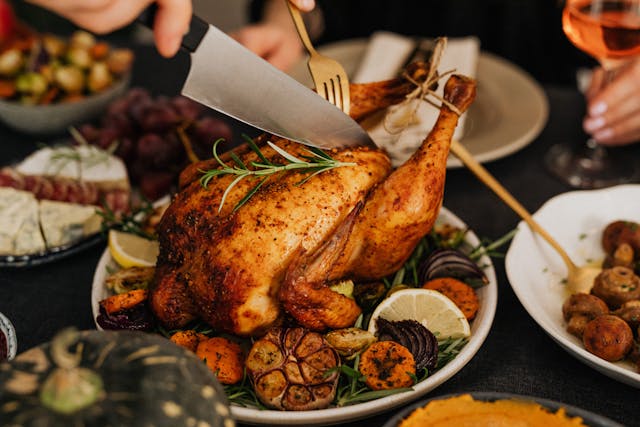
Holidays and food are an inseparable pair. You should look forward to the meals you’re about to cook without worrying about getting sick. Between grocery shopping, visiting relatives and finding room in the refrigerator, though, basic food safety steps can slip through the cracks. A little planning helps keep your favorite recipes on the menu while reducing avoidable risks.
These six common mistakes are worth checking before the celebrations begin. Make space for chilled ingredients, find your food thermometer and decide how you’ll store leftovers. Those small jobs are much easier before guests arrive.
1. Leaving Food Out Too Long
When your holiday meal is ready to serve, check the clock. Perishable food should go into the refrigerator within two hours unless you’re keeping it safely hot or cold. That limit drops to one hour when the surrounding temperature is above 90°F, including outdoor gatherings in hot weather. Count preparation, serving and time spent sitting out together; putting a platter back in the refrigerator doesn’t reset the clock.
Keep hot food at 140°F or above and cold food at 40°F or below. Warming trays and chafing dishes can help, but check the food with a thermometer rather than assuming the equipment is hot enough. Put already-hot food into warming equipment and follow its operating instructions. For cold dishes, nest serving bowls in ice and replenish it as needed.
Serve smaller portions and refill them from safely stored supplies. After dinner, divide leftovers into shallow containers so they cool more quickly, and refrigerate promptly. You don’t need to leave them on the counter until they reach room temperature. If you can’t tell how long a perishable dish has been sitting out, discard it; smelling or tasting it cannot establish that it’s safe.
2. Not Washing Your Vegetables
Peeling vegetables doesn’t replace washing them. A knife can carry contamination from the outside into the flesh as you cut. Before preparing potatoes, carrots, squash or fruit for a holiday platter, wash your hands and rinse the produce thoroughly under running water. Rub the surface gently, using a clean produce brush for firm items such as potatoes.
Skip soap, detergent and bleach. Produce doesn’t need these products, and they can leave unwanted residues. Rinsing helps remove dirt and reduce surface contamination, but it doesn’t sterilize food. Remove damaged areas and discard rotten produce. Dry washed items with a clean towel or paper towel, and keep them away from raw meat and its juices.
Packaged greens labeled “ready to eat,” “prewashed” or “triple washed” generally don’t need another wash. Follow the package instructions. If you do rinse them, use a clean sink, colander and work surface to avoid introducing contamination. Prepare salad ingredients before handling raw poultry, or thoroughly clean your equipment between tasks. A clean cutting board matters just as much as clean vegetables.
3. Eating Partially Moldy Food
Finding a fuzzy patch on an ingredient is frustrating when you’re halfway through a recipe. Scraping it away is often the wrong fix. Mold can extend beneath the visible surface, and other contamination may be present. Throw away moldy bread, soft fruit, cooked leftovers, yogurt and soft cheeses. For bread, discard the loaf rather than keeping slices that appear unaffected.
Some firm foods are exceptions. A small mold spot on a solid block of hard cheese or a firm vegetable such as a carrot can generally be removed by cutting at least one inch around and below it. Keep the knife out of the mold itself. This exception doesn’t apply to shredded, sliced or crumbled cheese, or to soft, moist foods. If you’re unsure which category an ingredient belongs to, discard it.
Don’t sniff moldy food closely or taste it to assess the damage. Wrap it before disposal, clean the storage area and inspect nearby items. Checking ingredients a day or two before cooking gives you time to replace anything spoiled without improvising during dinner preparations.
4. Drinking Raw Milk
Raw milk is milk that hasn’t been pasteurized, and it can carry harmful germs. Looking fresh, coming from a familiar farm or being kept cold doesn’t guarantee safety. Choose pasteurized milk and cream for holiday drinks, sauces and desserts, and check labels on dairy products such as soft cheeses.
Pasteurization uses controlled heat treatment to kill harmful germs. For recipes served without further cooking, including some homemade eggnogs and frozen desserts, use pasteurized dairy and pasteurized eggs or egg products. Avoid tasting uncooked mixtures made with ordinary raw eggs. If the recipe includes a cooking step, follow a reliable recipe’s temperature instructions rather than judging by thickness alone.
Lactose-free milk can be an option for people who have trouble digesting lactose; check that it is pasteurized too. Plant-based drinks are another recipe choice, but they still need proper storage after opening. Follow the label and keep chilled drinks refrigerated until serving. Treat a creamy punch bowl as perishable, even when it contains alcohol.
5. Cooking Stuffing Inside a Turkey
A turkey filled with stuffing may look festive, but the center of that stuffing can take longer to reach a safe temperature than the surrounding meat. Juices from raw poultry can enter the bread mixture. Cooking stuffing in a separate casserole dish makes it easier to check doneness and manage the timing of dinner.
If you do stuff a turkey, fill it loosely just before cooking, rather than stuffing it the night before. Both the poultry and the center of the stuffing must reach 165°F. Check the turkey in the thickest part of the breast and the innermost parts of the thigh and wing, avoiding bone. Use a food thermometer: browned skin, clear juices and a pop-up indicator don’t replace checking these temperatures.
Give yourself enough time to thaw the bird safely in the refrigerator, on a tray that catches drips. Never thaw it on the counter. Keep raw poultry separate from ready-to-eat ingredients, and don’t rinse the turkey, since splashes can spread germs around the sink. Wash hands, utensils and surfaces after handling it. Refrigerate leftover turkey and stuffing promptly in separate shallow containers.
6. Waiting to Cook Fresh Fish
Seafood deserves a specific place on your holiday shopping schedule. Keep fresh fish refrigerated at 40°F or below and generally cook it within one to two days of purchase, or freeze it for later. Follow any shorter storage instructions on the packaging. A printed date doesn’t make up for fish spending too long in a warm car.
Pick up seafood near the end of your shopping trip and take it home promptly, using an insulated cooler with ice packs when needed. Store it in a covered, leakproof container on a low refrigerator shelf. Thaw frozen fish in the refrigerator. Cook fish to an internal temperature of 145°F, checking the thickest part with a thermometer.
If you’re planning a Feast of the Seven Fishes, make a shopping and thawing schedule for each dish. Salted cod has different storage and soaking requirements from fresh fish, so follow the supplier’s instructions and keep it refrigerated during soaking. Don’t assume salting makes every seafood product safe at room temperature.
Prepare Food Safely This Holiday Season
Safe holiday cooking comes down to a few repeatable habits: clean preparation areas, separate raw ingredients, check temperatures and refrigerate promptly. Label leftovers with the date, use refrigerated leftovers within three to four days and reheat them to 165°F. Freeze portions sooner if you won’t eat them in time.
If someone becomes ill after a meal, seek medical advice for bloody diarrhea, high fever, severe pain, dehydration or vomiting that prevents drinking fluids. Pregnant people, older adults, young children and people with weakened immune systems should seek advice sooner. Thoughtful preparation reduces risk and leaves more room to enjoy the celebration.