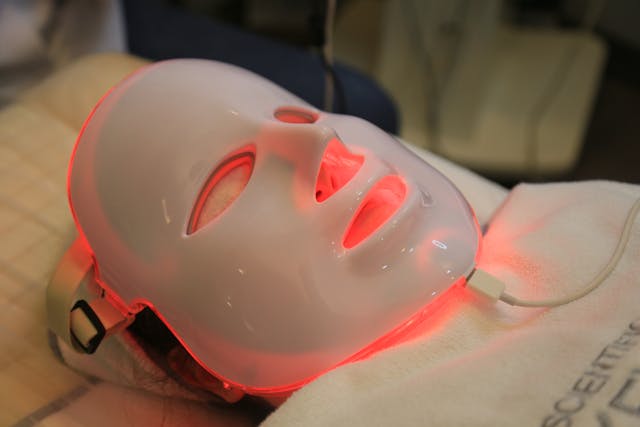
Light affects everyday health, from the signals that help set our body clock to the daylight that encourages us to get outside. Red light therapy takes a more targeted approach, using particular wavelengths of light on the body. It is often called photobiomodulation, and some devices combine visible red light with near-infrared light, which you cannot see.
The appeal is understandable: treatment does not involve needles or an operation. However, its benefits depend on the condition, the device, and how it is used. Evidence is more encouraging for some uses than others, and a red-colored household bulb is not equivalent to a therapy device. Here are five areas where red light may support a wellness routine, along with the limits worth understanding.
1. Supports Physical Performance and Recovery
Red light therapy has attracted interest in sports and fitness because of its possible effects on muscle fatigue and recovery. One proposed mechanism involves mitochondria, the structures that help cells produce energy. Light may influence cellular signaling and the production of adenosine triphosphate, or ATP. That biological explanation is a reason to investigate the therapy, rather than a guarantee of better performance.
Research has explored whether treatment around exercise can ease soreness or help muscles recover. Results vary, and a protocol used under supervision cannot automatically be reproduced with any home panel. Wavelength, light output, treatment area, and timing all affect the dose reaching the tissue. Simply standing closer or extending a session does not necessarily improve the result.
If you try it for ordinary post-workout soreness, keep your training, sleep, and recovery habits reasonably consistent. Record how sore you feel and whether normal movement becomes easier over several sessions. This makes it easier to judge whether the treatment adds anything useful. Keep adequate food, hydration, rest days, and gradual training progression at the center of your recovery plan.
Sharp pain, marked swelling, or difficulty bearing weight calls for assessment, not another light session. Feeling temporarily more comfortable also does not mean an injury has healed or that you are ready to increase your training load.
2. May Support Skin Health
Skin health is one of the better-known uses of red light, although it is only one part of its broader wellness appeal. Certain treatments are studied for their effects on skin repair and collagen-related processes. Some people may notice improvements in skin texture or appearance, but changes are usually gradual and depend on the device and treatment plan.
For everyday care, think of light as an optional addition to a simple routine. Gentle cleansing, appropriate moisturizer, and sun protection still do essential work. Red light does not replace sunscreen, reverse every effect of sun exposure, or make an unfamiliar skin growth safe to ignore. Persistent irritation, a changing mole, or a sore that will not heal needs professional attention.
Follow the device instructions about clean skin and any products used before treatment. Do not assume that combining light with exfoliating acids, retinoids, or other active products will improve results; irritated skin may need a simpler approach. If you have a skin condition or take medicine that increases sensitivity to light, ask your clinician or pharmacist whether the particular device is suitable.
3. Can Fit Into a Calmer Evening Routine
The relationship between light, mood, and sleep needs careful distinction. Dim red lighting in a room is different from a treatment panel directed at the body. Evening light can affect the body clock, and dim, warmer lighting may be less disruptive than bright, blue-rich light. Brightness, duration, and timing still matter: red light is not automatically sleep-friendly at every intensity.
A practical approach is to reduce overall light levels before bed, use a small lamp for quiet activities, and keep a consistent waking time. If red ambient lighting helps you wind down, it can be part of that routine. There is no need to stare into a therapy lamp or run a bright panel at bedtime to create a relaxing atmosphere.
Claims that red light reliably boosts serotonin, treats depression, or fixes insomnia go beyond what a general wellness article can promise. Therapeutic bright-light treatment for seasonal depression is a separate intervention with its own timing and safety considerations. A red light panel should not be treated as an interchangeable substitute.
If low mood persists or sleep problems interfere with daytime life, speak with a clinician. Loud snoring, breathing pauses during sleep, or ongoing exhaustion also deserve assessment. A relaxing evening environment can support good habits, but it cannot identify or treat the underlying cause of those symptoms.
4. May Help With Certain Types of Hair Loss
Low-level light devices are used for some forms of pattern hair loss, also called androgenetic alopecia. The aim is to influence activity in hair follicles that are still capable of producing hair. This does not mean light can restore hair in every thinning area or treat every reason for shedding.
Hair loss can follow illness, stress, nutritional problems, hormonal changes, or scalp disease. Sudden shedding, bald patches, scalp pain, or scarring should be evaluated before you invest time in a device. A dermatologist can help distinguish pattern thinning from conditions that need a different treatment.
For an appropriate candidate, consistency and patience matter more than frequent changes to the routine. Hair grows slowly, so judging progress after a few sessions is unlikely to be useful. Take occasional photographs with the same lighting, hairstyle, and camera angle rather than checking the mirror repeatedly. Follow the schedule for the specific scalp device, and discuss whether it fits alongside any prescribed treatment.
A general body panel is not automatically equivalent to a device designed for the scalp. Coverage, access through the hair, and treatment instructions all matter. Ask what outcome is realistic for your type of hair loss before assuming a purchase will produce fuller hair.
5. May Offer Additional Pain Relief
Red and near-infrared light are being explored as additions to care for some muscle and joint complaints. Proposed effects include changes in inflammatory signaling and cellular activity. Some people may experience symptom relief, but responses vary, and evidence for one condition should not be extended to all chronic pain.
The most useful question is whether treatment helps you do something meaningful: walk more comfortably, complete prescribed exercises, or manage an ordinary daily task. Track function as well as pain. Temporary comfort is useful information, but it does not establish that damaged tissue has repaired or that an underlying condition has resolved.
A physiotherapist or other clinician can help decide whether light treatment belongs in a plan that includes movement, rehabilitation, and other appropriate care. Keep prescribed treatment in place unless your clinician advises a change. New weakness, numbness, fever, or severe unexplained pain needs medical attention rather than self-treatment with a wellness device.
Making Red Light Therapy Part of a Sensible Routine
Choose one clear goal before starting. Read the instructions for distance, session length, frequency, and eye protection, and follow them even if another device recommends something different. Never stare into the light. Stop if treatment causes burning, persistent redness, eye discomfort, or worsening symptoms, and seek advice as appropriate.
Red light therapy is best approached as a possible supporting tool. Its value lies in whether it safely helps your particular concern, alongside the everyday habits and professional care that support lasting health.