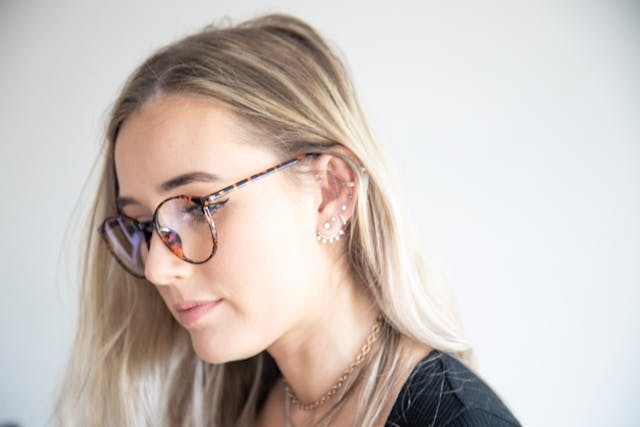
Are you thinking about getting your ears pierced? Ear piercing is a familiar way to wear jewellery and express your style, but it still creates a wound that needs time and care to heal. Choosing where to go is only the beginning.
As an adult, you can choose the placement, ask about equipment, and decide which jewellery suits you. You also take responsibility for looking after the piercing once you leave the appointment. A little preparation makes those decisions easier.
Whether you are considering your first piercing or helping your child prepare, these practical points can help you understand the process and avoid rushing into something you cannot comfortably care for.
Research Providers
Start by researching providers in your area. Recommendations and reviews can help you make a shortlist, but visit the premises and ask questions before booking. Look for a clean workspace and someone who explains the procedure, checks your suitability, and gives clear written aftercare instructions.
Ask how equipment is sterilised, which items are single-use, and whether sterile needles and jewellery are opened for each client. The piercer should wash their hands, wear fresh gloves, and avoid touching clean equipment after handling phones or other unclean surfaces. Do not feel awkward about asking to see how these steps work.
Discuss the piercing method rather than choosing solely on how intimidating the equipment looks. A trained professional using a sterile, single-use piercing needle is a sensible choice, particularly for cartilage. Reusable piercing guns can raise concerns about sterilisation and tissue trauma; they should not be used on cartilage. A disposable cartridge does not, by itself, establish the quality of the whole procedure.
A good provider will discuss risks without promising a painless experience or guaranteed healing. If you feel pressured, cannot get straightforward answers, or notice poor hygiene, leave and look elsewhere.
What Do You Want Pierced?
Earlobes are a common starting point, but cartilage placements include the upper ear, tragus, and daith. Your ear shape matters: a placement that looks attractive in a photograph may not suit your anatomy. Ask the piercer to explain suitable options and show you the proposed position before proceeding.
Think about everyday pressure and friction. Headphones, helmets, glasses, work headsets, and sleeping on your side can all affect your choice. If both ears are pierced, keeping pressure off them at night may be difficult. Mention sports, swimming, and any upcoming travel so you can choose a manageable time.
There is no single number of new piercings that is right for everyone. Several healing sites mean more aftercare and more opportunities for irritation. For a first appointment, starting with fewer piercings gives you a chance to learn how your body responds. Ask for an individual assessment instead of relying on a fixed maximum.
If the piercing is for a child, check the provider’s age and consent requirements. The child should understand what will happen, want the piercing, and be able to cooperate without being restrained. An adult will need to supervise aftercare. Waiting is reasonable if the child is uncertain or frequently touches their ears.
Type Of Jewelry
The first earring needs to suit a healing piercing, not simply look attractive. Ask about the exact material and its suitability for prolonged contact with a fresh wound. Implant-grade titanium is an option to discuss, especially if you have reacted to jewellery before. The words “surgical steel” or “hypoallergenic” alone do not tell you everything about a product’s composition.
Tell the piercer about known nickel allergies or previous skin reactions. Avoid plated jewellery for a fresh piercing, because the surface can wear away and expose another metal. Sterling silver and heavy decorative earrings are also poor starter choices. If choosing gold, ask whether it is solid and suitable for initial piercing.
Fit matters as much as material. Initial jewellery needs room for expected swelling without being so loose that it catches constantly. A smooth, appropriately fitted stud or other placement-specific design may be recommended. Ask whether a follow-up appointment is needed to shorten the post after swelling settles; this is different from changing jewellery yourself.
Do not treat six weeks for lobes or twelve weeks for cartilage as guaranteed healing deadlines. Lobes commonly take several weeks to months, while cartilage can take many months or longer. A piercing can look settled outside while remaining fragile inside. Keep suitable jewellery in place and ask your piercer when a change is appropriate.
Can You Commit To Aftercare?
Aftercare should fit into your daily routine before you book. Ask for written instructions and clarify anything confusing. If you have a condition or take medication that affects healing, bleeding, or immunity, speak with your clinician beforehand. Mention a personal history of raised scars or keloids as well.
Wash your hands before touching the area, and otherwise leave it alone. A simple approach is gentle cleaning with packaged sterile saline wound wash containing only water and sodium chloride, followed by careful drying with clean disposable material. Follow the recommended frequency without repeatedly cleaning throughout the day, which can irritate the skin.
Do not twist or rotate the jewellery, pick crusts, or remove the earring to clean the hole. Avoid alcohol, hydrogen peroxide, tea tree oil, and harsh antiseptics unless a clinician specifically directs you to use a treatment. Keep makeup, hair products, and unnecessary creams away from the site.
Use clean pillowcases, keep phones and headphones clean, and take care when brushing hair or pulling clothing over your head. Avoid sleeping directly on the piercing. Do not cover it routinely with tight dressings, and avoid swimming or submerging it in pools, hot tubs, lakes, or other shared water while it heals.
Some initial tenderness, slight swelling, and a little pale fluid that forms a crust can occur. Increasing pain, spreading redness or warmth, worsening swelling, thick discharge, or feeling unwell needs medical advice. Seek prompt assessment for suspected cartilage infection, jewellery becoming embedded, or a backing disappearing into swollen skin. Fever or rapidly worsening symptoms warrant urgent care.
If you suspect infection, do not simply remove the jewellery yourself; ask a clinician what to do. A piercer can help with fit and irritation, but cannot replace medical assessment. Even healed holes can shrink quickly, so avoid leaving jewellery out until you understand how your piercing behaves.
It Might Hurt
Expect a brief sharp sensation during the procedure and some tenderness afterwards. People experience pain differently, and cartilage can be more uncomfortable than the lobe. Someone else’s account cannot reliably tell you how yours will feel.
Eat beforehand, arrive rested, and tell the piercer if you are nervous or have fainted during procedures. Ask them to explain each step and allow time to sit afterwards. Avoid alcohol before the appointment. Do not take painkillers in advance just because a friend recommends it; ask a pharmacist or clinician what is suitable if you need pain relief, and never stop prescribed medication on your own.
Getting your ears pierced can be a rewarding way to express yourself. Choose a provider who welcomes questions, select jewellery that supports healing, and give aftercare the same attention as the appointment. Taking your time now helps you make a choice you can comfortably maintain.