Adjusting to life after a spinal cord injury (SCI) involves physical, emotional, and social changes. Familiar routines may take more planning, and support needs can change over time. An injury can affect your future without defining every part of it. Medical care, rehabilitation, accessible surroundings, and dependable relationships all help you build a daily life that reflects your priorities.
There is no single timetable for adapting. Some days may bring progress; others may involve fatigue, frustration, or a setback. Start with manageable tasks, ask for help with unfamiliar situations, and review your plans as you learn what works.
Understanding Spinal Cord Injuries
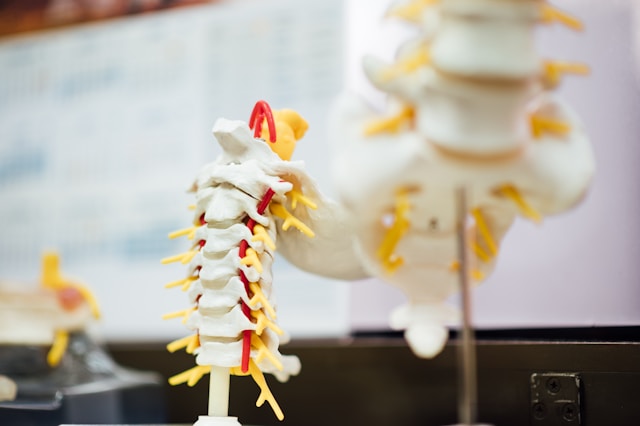
A spinal cord injury damages the pathways carrying messages between the brain and body. Its effects depend on the injury’s level and extent. Movement and sensation can change, along with bladder and bowel function, blood pressure regulation, breathing, and sexual function. Two people with similar injury levels may have different abilities and support needs.
- Incomplete injury: Some nerve function remains below the injury, including certain movement or sensation. The pattern varies from person to person.
- Complete injury: On a clinical examination, there is no preserved sensory or motor function in the lowest sacral segments. This classification does not necessarily mean the spinal cord has been physically severed.
Ask your rehabilitation team to explain your classification in everyday language. Discuss what it means for current care, which changes to report, and what remains uncertain. A classification alone cannot give a precise personal recovery forecast.
Physical Rehabilitation and Health Management
Rehabilitation helps you develop useful skills and protect your health. A personalized plan should connect treatment with activities that matter to you, such as getting dressed, preparing breakfast, moving around your home, or returning to work.
- Physical therapy: May address strength, flexibility, balance, transfers, wheelchair skills, and walking where appropriate.
- Occupational therapy: Helps with dressing, bathing, cooking, hand function, energy management, and choosing assistive equipment.
Practice transfers and equipment use with trained guidance before attempting them alone. If relatives or paid caregivers assist you, include them in training. Ask how to protect your shoulders and how to respond if a transfer goes wrong. Keep a written care plan and an accessible list of medicines and clinical contacts.
Build prevention into your routine
Reduced sensation can make skin damage difficult to notice. Check your skin daily, using a mirror or assistance for areas you cannot see. Ask your team to demonstrate pressure relief techniques and recommend a schedule suited to your mobility, seating, and skin. A properly fitted cushion and wheelchair need review when your posture, weight, or comfort changes.
Persistent redness, unusual discoloration, warmth, swelling, or broken skin needs prompt clinical advice. Avoid continued pressure on a concerning area. Do not assume a lack of pain means the skin is healthy.
Follow an individualized bladder and bowel plan, including any catheter care instructions. Discuss fluid intake with your clinician, particularly if you have restrictions. Report fever, new leakage, difficulty emptying your bladder, or a change in your usual bowel pattern. Ask about breathing support or exercises if your injury affects breathing or coughing.
Learn which symptoms require urgent help. For some people, particularly those with injuries at or above the sixth thoracic level, autonomic dysreflexia can cause a dangerous rise in blood pressure. A sudden severe headache, sweating or flushing, and feeling abruptly unwell may be warning signs. Ask your team for a written emergency plan and follow it immediately if symptoms occur. New severe breathing difficulty or chest pain also requires emergency care.
Find movement you can enjoy
Adaptive exercise might include wheelchair sports, swimming with appropriate support, hand cycling, or a tailored home routine. Get advice about suitable activities, equipment, skin protection, and temperature regulation. Start at a manageable level and adjust for fatigue or pain. Activity should fit your body and interests; it does not have to be competitive to be worthwhile.
Emotional and Mental Health Support
Grief, anger, worry, and uncertainty can appear at different stages of adjustment. You do not have to feel positive every day or treat recovery as a test of willpower. Changes in sleep, pain, finances, relationships, and privacy can all affect emotional well-being.
A counselor familiar with disability or rehabilitation can help you work through these changes. Seek professional support if low mood, anxiety, or withdrawal persists or interferes with everyday life. Your medical team can also review physical contributors, such as uncontrolled pain or medication effects.
Small routines can provide stability: a regular sleep schedule, enjoyable activities, and time with someone who listens. Relaxation exercises may help you settle during stressful moments, provided breathing practices are appropriate for you. Peer support can offer practical understanding, but your experience does not need to match anyone else’s.
Modifying Your Environment for Independence
Start by identifying the tasks and spaces that create the biggest barriers. An occupational therapist or accessibility professional can help assess your home before you buy equipment or arrange building work. Check doorway clearance, turning space, bathroom access, bed height, and the route from the entrance to essential rooms.
- Place frequently used items within comfortable reach and keep transfer areas clear.
- Have ramps, grab bars, and bathing equipment assessed for safe positioning and installation.
- Try voice controls, adapted utensils, or dressing aids to see whether they suit your abilities.
- Plan how you would leave the home during an emergency and who could assist.
Transportation deserves similar planning. Check accessible vehicle availability, booking requirements, and pickup arrangements before an important appointment. If driving is a goal, ask for a specialist driving assessment before returning to the road. A rehabilitation social worker may help identify equipment funding or modification assistance; eligibility and availability vary.
Rebuilding Your Social Life
Staying connected can take deliberate effort when outings require extra preparation. Tell friends what would make a visit easier, whether that means a shorter gathering, an accessible bathroom, or flexibility around your care routine. Suggest specific help, such as collecting groceries or accompanying you on a first trip.
Before visiting somewhere unfamiliar, ask about step-free entry, bathroom layout, seating, and parking. An “accessible” label may not answer your particular needs. Having a backup plan can reduce stress without making every outing feel like a project.
Support groups and adaptive recreation programs can introduce you to people with useful lived experience. At home, discuss boundaries and assistance openly: loved ones should ask before helping and respect your decisions. Questions about intimacy, sexual health, or fertility are also appropriate topics for your rehabilitation team.
Setting New Goals and Pursuing Fulfillment
Choose goals that matter to you, from preparing a meal to resuming study or employment. Break each goal into smaller actions, identify equipment or assistance needed, and agree on a realistic review point. For work or education, discuss access, flexible hours, rest breaks, and suitable technology with the relevant support staff.
Progress may mean doing something independently, directing another person’s help, or finding a less tiring method. Review goals when your needs change. Life after an SCI can include familiar pleasures and new interests, with room for difficulty as well as satisfaction. Keep asking for the support that makes your own priorities possible.