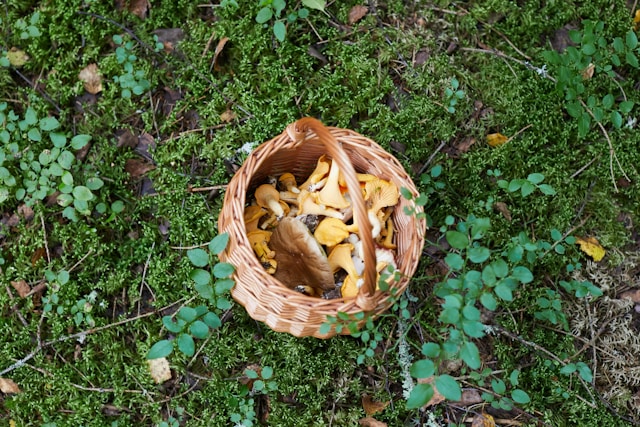
Medicinal mushrooms have become a familiar part of the wellness world, appearing in teas, powders, capsules, and everyday recipes. Often called “functional mushrooms,” these fungi have long histories of use in traditional healing practices. Today, people turn to them with questions about immunity, focus, stress, and energy. Their potential is interesting, but traditional use and promising laboratory findings do not establish that a supplement will deliver a particular health benefit.
Understanding the different species, preparations, and limits of the evidence makes exploring them more practical. Start with what you want to achieve, keep expectations realistic, and treat mushrooms as an optional addition to healthy habits.
The Health Benefits Of Medicinal Mushrooms
The term “medicinal mushroom” covers several species, including reishi, lion’s mane, chaga, turkey tail, cordyceps, and shiitake. It is a wellness description, not a guarantee of medical effectiveness. Some, such as shiitake and lion’s mane, are also culinary mushrooms. Others are typically prepared as extracts or steeped drinks because they are tough or bitter.
Species are not interchangeable, and neither are preparations. A cooked mushroom, a dried powder, and a concentrated extract can contain different amounts of compounds. Benefits suggested for one preparation cannot automatically be assumed for another.
Immune System Support
Reishi and turkey tail attract attention for compounds called beta-glucans, which can interact with immune processes. However, “immune boosting” oversimplifies a complex system. More immune activity is not always desirable, particularly for someone with an autoimmune condition or taking medicines that suppress immunity.
A retail mushroom supplement should not be relied on to prevent infections or replace treatment. If you frequently become ill, speak with a clinician about possible causes rather than assuming a supplement will solve the problem.
Enhanced Cognitive Function
Lion’s mane is often marketed for memory, concentration, and mental clarity. Research interest includes compounds that affect nerve-related processes in laboratory settings, but these findings do not prove that taking a powder improves everyday thinking. Human evidence remains limited, and products may differ from preparations used in research.
If you try it, choose a concrete observation, such as whether you feel more able to concentrate during your usual reading time. Keep sleep and caffeine habits steady. Persistent brain fog or new memory difficulties deserve medical attention.
Stress Relief and Better Sleep
Reishi has a long tradition of use and is frequently described as an adaptogen, a term used for substances proposed to help the body respond to stress. That label does not establish that it treats anxiety or insomnia. Evidence is insufficient to promise calmer moods or better sleep.
A warm evening drink may still be a pleasant relaxation ritual. Choose a caffeine-free preparation if sleep is your goal, and pair it with a regular bedtime and a quieter evening routine. Ongoing sleep problems warrant a conversation with a clinician.
Antioxidant and Anti-inflammatory Properties
Chaga and other mushrooms contain compounds with antioxidant activity in laboratory tests. Such activity does not tell us whether a supplement prevents chronic illness, reduces inflammation in a person, or visibly improves skin. Claims about clearing skin or slowing aging go beyond what these findings can establish.
Chaga also requires particular caution: it can contain substantial amounts of oxalates, which may be a concern for kidney health. People with kidney disease or a history of kidney stones should seek individual advice before considering it.
Energy and Endurance Boost
Cordyceps products are promoted for stamina and exercise performance, but results are not consistent enough to promise an endurance boost. Different species and cultivated preparations further complicate comparisons. A capsule cannot compensate for insufficient sleep, inadequate food intake, or an unsuitable training load.
If fatigue persists despite rest, get it assessed. Tracking sleep, meals, and training recovery can provide useful context for that discussion and is more informative than repeatedly adding supplements.
Practical Ways To Incorporate Medicinal Mushrooms
Choose a format that suits your routine and check whether it is intended for cooking, steeping, or direct consumption. There is no universal dose across species and extracts. Follow the specific product directions and avoid combining several products that contain the same ingredients.
Morning Mushroom Coffee or Tea
Mushroom drink blends can taste earthy, woody, or bitter. Begin with the labeled serving rather than adding an extra spoonful. Check whether the product contains coffee, tea, sweeteners, or other active ingredients. Mushroom coffee can still contain caffeine; the mushroom ingredient does not cancel its effects on sleep or jitteriness.
Mushroom-Infused Smoothies
A powder intended for direct use can be mixed into a smoothie with yogurt or a suitable alternative, fruit, and oats. Cocoa or banana may soften an earthy flavor. Measure the serving instead of using an arbitrary scoop, and check for overlap with any capsules or drink mixes you already take.
Mushroom Supplements
Capsules offer convenience, but a consistent capsule size does not mean different brands have equivalent contents. Before starting, ask a pharmacist or clinician about your medicines and health conditions. This is especially relevant with blood-thinning, diabetes, or immune-suppressing medicines, and before surgery.
Seek advice during pregnancy or breastfeeding and before giving mushroom supplements to children. Stop using a product if it causes a rash, stomach upset, or another concerning reaction. Breathing difficulty or swelling needs urgent medical care.
DIY Mushroom Powder Blend
Mixing equal parts of several extracts is not a reliable way to create a suitable serving. Their concentrations and directions may differ, and blending makes a reaction harder to trace. Start with one clearly labeled product if you choose supplementation. For everyday meals, cooked shiitake in soup or sautéed lion’s mane offers a simpler culinary option. Never eat unidentified wild mushrooms.
Functional Mushroom Snacks
Bars and energy bites can be convenient, but assess them as foods first. Consider their ingredients, allergens, added sugar, and whether they satisfy your hunger. If the mushroom amount is undisclosed, you cannot meaningfully compare it with another preparation. A wellness label alone does not make a snack more nourishing.
Choosing Quality Medicinal Mushrooms
Look for the species name, amount per serving, and a clear description of the material used: fruiting body, mycelium, or another component. Mycelium is the fungal network from which mushrooms develop. Its presence alone does not establish poor quality, but labels should clarify what the product contains, including any growth substrate.
For extracts, look for preparation details and clearly stated testing. Independent testing for identity and contaminants, including heavy metals and microbes, is useful; a vague “lab tested” claim provides little detail. Organic certification describes production standards and does not prove effectiveness or freedom from contaminants. Avoid products promising cures or guaranteed results.
The Science Behind Medicinal Mushrooms
Researchers investigate mushroom polysaccharides, triterpenoids, and other compounds. Laboratory experiments help identify possible mechanisms, while animal research can suggest questions for further study. Neither directly establishes benefits for people. Human trials must also be considered in terms of their size, duration, preparation, and outcomes before drawing practical conclusions.
Mushroom spores are reproductive cells and may appear in supplements, particularly reishi products. Their role in fungal reproduction does not make spore preparations inherently more potent or beneficial. Claims about special processing or concentration still require evidence for the finished product.
Elevating Your Wellbeing
Exploring medicinal mushrooms works best with curiosity and modest expectations. Enjoy edible varieties as part of varied meals, or consider one supplement after checking its suitability. Keep a simple record of what you take and how you feel, and reassess whether it adds anything useful. Balanced meals, movement, sleep, and appropriate medical care remain the foundation of wellbeing.