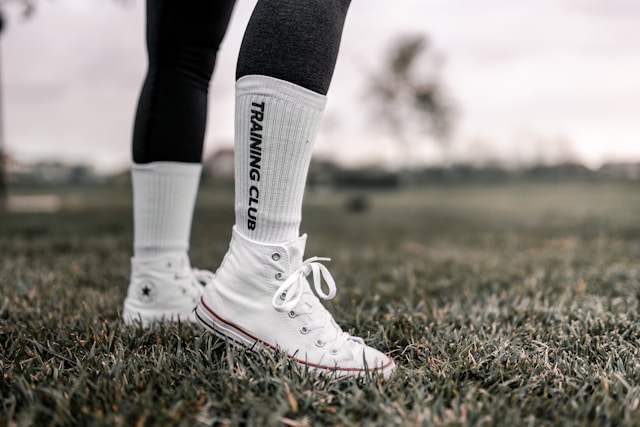
When you’re at the gym, the right workout attire helps you stay comfortable and focus on your session. Shoes and clothing usually get the most attention, but socks deserve a place on that list. Active socks are designed for movement, with features such as targeted padding, secure cuffs, and fabrics that manage sweat.
The benefits depend on the pair you choose, how it fits, and the shoes you wear with it. A thick sock that crowds your toes can be less comfortable than a simpler, thinner option. Here are ten ways suitable active socks can make gym sessions more comfortable, along with practical details to look for.
1. Enhanced Comfort
Active socks can soften the contact between your feet and your shoes. Padding under the heel and forefoot may feel helpful during treadmill walks, circuit training, or classes with repeated steps. Smooth toe seams can also reduce the irritation you notice when a seam presses against your toes.
Choose cushioning to match your footwear. If your trainers already fit closely, extra-thick socks may create pressure instead of comfort. Try the combination together, then walk, squat, and rise onto your toes. Your toes should have room to move, and the fabric should lie flat without bunching beneath your foot.
2. Increased Longevity
Reinforced heels and toes can help active socks withstand the repeated rubbing that happens inside gym shoes. A well-made pair may also retain its shape through regular wear and washing, keeping the heel pocket and cuff where they belong. Durability varies, so an athletic label alone does not guarantee a longer-lasting sock.
Check high-wear areas for dense, even fabric and inspect the care label before washing. Follow the drying instructions, since excessive heat can damage elastic fibers. Rotate between clean pairs and replace socks when cushioning becomes flattened, holes appear, or stretched fabric starts sliding around. A worn-out pair cannot offer the same comfortable fit.
3. A More Secure Fit Around the Arch
Many performance socks have an elastic band around the midfoot. This can give a gently held feeling and help stop loose fabric from gathering under your arch during movement. For some people, that secure fit is more comfortable than an everyday sock that shifts inside the shoe.
However, a sock’s arch band does not replace supportive footwear, prescribed insoles, or treatment for foot pain. It cannot be relied on to correct flat feet or prevent plantar fasciitis. Look for gentle contact rather than squeezing. If you have persistent heel or arch pain, reduce activities that aggravate it and speak with a clinician about the cause.
4. Better Moisture Management
Polyester, nylon, and some wool blends are used in active socks to help move moisture away from the skin. Compared with a sock that stays saturated, a suitable moisture-managing pair may feel less clammy during a sweaty session. The result also depends on how well your shoes allow moisture to escape.
Fabric cannot keep feet completely dry or prevent fungal infections by itself. Change out of damp socks after exercise, dry your feet carefully, and let your shoes air out between uses. Pack a spare pair if your workout is followed by errands or a long commute. Persistent itching, peeling, or irritation deserves advice from a pharmacist or clinician.
5. More Comfortable Temperature Control
Lightweight fabrics and mesh panels can make socks feel less hot inside breathable trainers. This may be useful during indoor cycling or busy circuit sessions, when your feet can quickly feel warm. In a cooler gym, a slightly thicker pair may be more comfortable during a gentle warm-up or stretching.
Match the sock to your own experience rather than choosing the thickest option automatically. If your feet feel overheated, consider both the sock and the shoe: ventilation panels have limited value inside poorly ventilated footwear. Socks help manage comfort, but they do not stop sweating or control your overall body temperature.
6. Help With Odor Control
Fresh socks and better moisture management can help keep workout footwear more pleasant. Some active socks also include odor-control treatments or fibers, although results vary with the material, washing routine, and amount of sweat. You do not need a special treatment to establish a useful foot-care routine.
Wear a clean pair for each workout, wash used socks according to their label, and allow both socks and shoes to dry fully. Avoid leaving damp kit sealed in your gym bag overnight. Odor-control features are an extra convenience, not a substitute for washing. If a particular fabric or treatment irritates your skin, stop wearing that pair.
7. Less Rubbing Near the Achilles
A padded heel tab or a higher cuff can put a soft layer between your skin and the back of your shoe. This is helpful when a shoe collar rubs near the Achilles area during walking, running, or jumping. A secure heel pocket can also help keep that protective fabric in position.
That cushioning protects against surface rubbing; it does not establish protection against Achilles tendon injury. If the shoe repeatedly digs into your heel, check its fit rather than adding more padding indefinitely. Stop and seek assessment for persistent tendon pain or swelling. Sudden severe pain at the back of the ankle needs prompt medical attention.
8. Less Distraction From Tired Feet
Comfortable padding and a sock that stays in place may make a long session feel easier on your feet. Instead of stopping to pull up a slipping cuff or smooth a crease, you can concentrate on your movements. This is particularly useful when switching between machines, floor exercises, and standing work.
Keep expectations realistic: socks do not replace rest, appropriate training loads, or well-fitting shoes. They cannot guarantee reduced fatigue or improved performance. If your feet begin aching, check for pressure points and consider shortening the session. Repeated soreness is a reason to review your footwear and training routine, rather than simply buying a tighter sock.
9. Compression Options for Individual Needs
Some active socks offer compression, giving a firmer feeling around the foot or lower leg. Some gym-goers enjoy that sensation during exercise or afterward, but ordinary snug sports socks and graduated compression garments are different products. Neither should be assumed to speed muscle recovery simply because it feels tight.
If you choose compression, follow the manufacturer’s sizing instructions and keep the fabric smooth rather than rolling the top down. Remove socks that cause numbness, tingling, pain, or changes in skin color. Ask a clinician before using compression if you have circulation problems, reduced sensation, or unexplained swelling. Recovery still depends on suitable rest, food, fluids, and training demands.
10. Styles That Suit Your Workout
Active socks come in different colors, patterns, and lengths, so practical choices can still suit your style. An ankle sock may work well with low-cut trainers, while a crew sock provides more coverage where a shoe collar or equipment might brush your skin. Check that no-show socks stay above any rubbing points.
Let fit guide the final choice. The heel should sit in its intended pocket, the cuff should stay up comfortably, and your toes should not feel compressed. Try a new pair during a shorter session before wearing it for a demanding workout. Once you find a comfortable combination, keeping spare clean pairs makes gym preparation simpler.
Choosing Socks You Will Actually Enjoy Wearing
The most useful active socks match your shoes, workout, and comfort preferences. Start with a secure fit, suitable cushioning, and fabric that handles your usual level of sweat. Check your feet after exercise for rubbing or pressure marks, and adjust your choice if needed. A suitable pair can make everyday gym sessions more comfortable without needing to promise dramatic changes in performance.