Walking into a gym with a goal is one thing; knowing what to do when you get there is another. You might want to feel stronger, build a regular exercise habit, or become more confident using equipment. A personal trainer can turn those broad intentions into manageable actions, especially when you are unsure where to begin.
Despite the title, not everyone needs a personal trainer. Many people exercise successfully on their own. The value of coaching depends on what is holding you back, the support you prefer, and whether the arrangement fits your schedule and budget. Here are three reasons a trainer may be useful, plus practical ways to choose one and make progress independently.
1. You get a workout plan that fits your life
A useful training plan starts with your circumstances, rather than an impressive list of exercises. A trainer should ask about your experience, available equipment, weekly schedule, preferences, and goals. They should also ask about relevant health concerns and any restrictions you have been given, while recognising when a question belongs with a healthcare professional.
For example, someone with two short exercise windows each week needs a different approach from someone who enjoys four gym visits. If you only have dumbbells at home, a plan built around gym machines will be difficult to follow. Personalisation means making the routine workable, not simply making every session unusual.
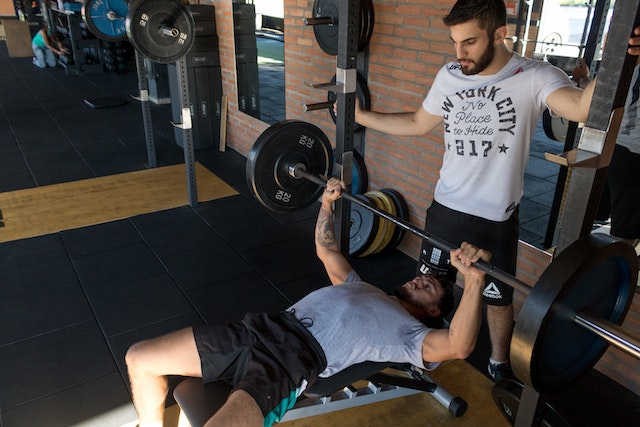
A trainer can also watch you practise movements, explain equipment settings, and offer cues you can understand. Rather than telling you only to “use better form,” they might help you adjust your stance or choose a lighter load. You should have opportunities to ask questions and repeat the movement without feeling rushed.
Turn a broad goal into a useful starting point
Before your first meeting, write down what you want exercise to help you do. “Feel stronger carrying groceries” or “complete two workouts each week” gives a coach more direction than “get fit.” You can discuss longer-term ambitions too, but the first plan should identify actions you can repeat now.
Ask how the trainer will decide when to change the programme. Progress might mean completing a movement more confidently, adding a repetition, or gradually increasing resistance. It does not require making every session harder. A good explanation should include how the plan will adjust when your energy, schedule, or equipment changes.
2. You get enough variety to stay engaged
If your workouts feel stale, a trainer can introduce alternatives and help you find activities you enjoy. That might mean learning resistance exercises, adding a different cardio option, or trying a circuit when time is short. Enjoyment matters because a routine you dislike is difficult to maintain.
However, variety is most useful when it serves a purpose. Repeating familiar exercises is not automatically a problem; repetition gives you time to practise and notice improvements. Constantly changing everything can make it harder to tell whether you are progressing. A trainer should be able to explain both what stays consistent and what changes.
For example, your main strength exercises might remain familiar while an accessory movement or cardio activity rotates. If you dislike an exercise, the trainer can discuss an alternative that serves a similar purpose. If the gym is crowded, they can teach you a backup option so that an occupied machine does not derail the session.
Tell your trainer which parts of exercise you enjoy and which make you reluctant to return. You do not have to love every minute, but you should understand the reason for what you are doing. Feeling exhausted, sore, or entertained after a session is not, by itself, evidence that the programme is effective.
3. You gain accountability and practical feedback
A scheduled appointment can make exercise easier to prioritise. Knowing someone expects you may help you start, particularly during the early weeks of building a habit. A trainer can also help you review what actually happened between sessions, rather than judging success only by a distant goal.
Useful accountability is collaborative. If you miss a workout, the conversation should explore the obstacle: Was the session too long? Did your work hours change? Was the plan confusing? The next step might be a shorter session or a different training day. Shame and punishment do little to make a routine more workable.
Agree on a few measures that match your aims. These could include attendance, repetitions completed with control, confidence using equipment, or how a familiar activity feels. Keep a simple record and review it together. Day-to-day performance varies, so look for patterns across several sessions rather than expecting a personal best every time.
Coaching should also build independence. Ask your trainer to explain how to choose an appropriate challenge, record a workout, and adapt a session when necessary. Over time, you should understand more about your training rather than feeling unable to exercise without instructions.
How to choose a personal trainer
Start by looking for a relevant, verifiable qualification and experience with people who have goals similar to yours. A qualification alone does not tell you everything about a trainer’s communication or judgement. An introductory conversation or trial session can help you assess whether their approach suits you.
- Ask about planning: “What would you need to know before writing my programme, and how would we review it?”
- Ask about coaching: “How do you teach an unfamiliar exercise and decide whether I am ready to progress?”
- Clarify the arrangement: Check session length, location, equipment needs, cancellation terms, total fees, and what support is included between appointments.
- Discuss boundaries: A trainer should recognise the limits of their qualifications and refer questions about diagnosis, injury treatment, or specialist nutrition to an appropriately qualified professional.
Choose someone who listens, welcomes questions, and respects your comfort. Guaranteed body changes, pressure to buy supplements, and dismissing pain are reasons to reconsider. For online coaching, clarify whether sessions are live, whether you receive feedback on recorded movements, and how questions are answered. Written workouts alone provide a different level of support from direct observation.
What to do if you train alone
You can borrow the useful parts of coaching without committing to ongoing sessions. Set a specific goal, reserve realistic workout times, and use a straightforward routine suited to your experience. Begin with movements you understand and manageable effort. Record what you do so that your next decision comes from experience rather than guesswork.
Keep a shorter backup session ready for busy days, and make changes gradually. If you need help learning equipment or an unfamiliar movement, ask about a gym orientation or a focused coaching session. Stop an exercise that causes pain rather than pushing through it, and seek appropriate advice for persistent symptoms or health concerns.
The best reason to hire a personal trainer is a clear gap they can help you close: planning, confidence, engagement, or consistency. Decide what support you need, check whether the coach can provide it, and review whether the arrangement is helping. Whether you train with someone or independently, aim for a routine you understand and can keep returning to.