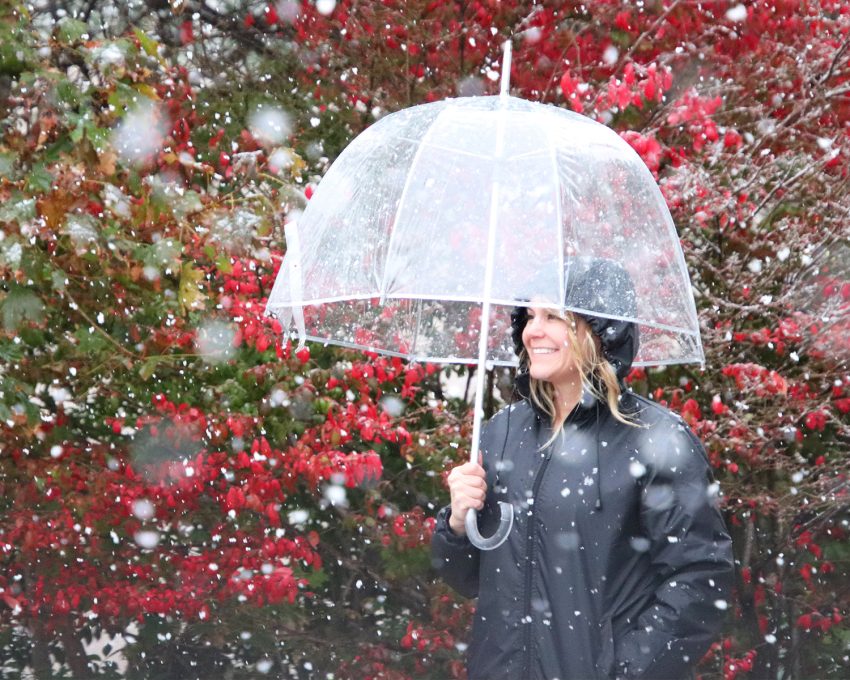
A wet forecast does not have to erase the part of the day that clears your head. The useful response is smaller: choose a route that suits the conditions, protect the places that chill first, and make the return home part of the plan.
Before the door
A six-part reset for ordinary rainy days
Read the conditions, not only the rain icon
Rainfall is only one part of the decision. Wind, temperature, visibility, lightning risk, surface conditions and daylight all change what a comfortable walk looks like. Check a reliable local forecast close to departure and respect official warnings. If thunderstorms, flooding, ice, strong wind or poor visibility are expected, move the routine indoors or postpone it. This guide is for manageable wet weather, not hazardous conditions.
The distinction matters because an umbrella that works during light, steady rain may be awkward in gusts, while a waterproof layer that feels comfortable at a gentle pace can become clammy on a fast hill. Make the route and equipment decision together. A ten-minute loop near home can protect a habit more effectively than forcing the usual long route into unsuitable weather.
Also notice how the route behaves after rain. A familiar park can collect standing water, a riverside path may close, and the quiet shortcut can become poorly lit under heavy cloud. Pick a loop with easy turn-back points and tell someone where you are going when conditions or timing make that sensible.
Choose coverage around the trip you are actually taking
A large canopy can make sense for an unhurried walk with another person, while a compact folding umbrella is easier to carry when the forecast is uncertain. A clear dome style can help with forward visibility and shoulder coverage in calmer conditions. A stick umbrella may offer a comfortable handle and broad shelter, but it occupies a hand throughout the trip. Review current dimensions, materials, opening mechanism and care information before choosing.

Keep the first five minutes easy
People often rush as soon as rain starts, tightening the shoulders and gripping the umbrella too hard. Begin at a conversational pace. Let the body warm gradually, keep one hand free when practical and watch where water collects. Painted crossings, metal covers, wet leaves and smooth stone can be slippery. Shorten the stride on uncertain surfaces and use handrails where available.
For a restorative walk, intensity is optional. The goal may be a change of scene, a few minutes of natural light or a clean boundary between work and evening. If the weather makes the outing more effortful than expected, turn back early. Consistency is built by making the routine repeatable, not by winning an argument with the forecast.
Protect the feet before adding more layers
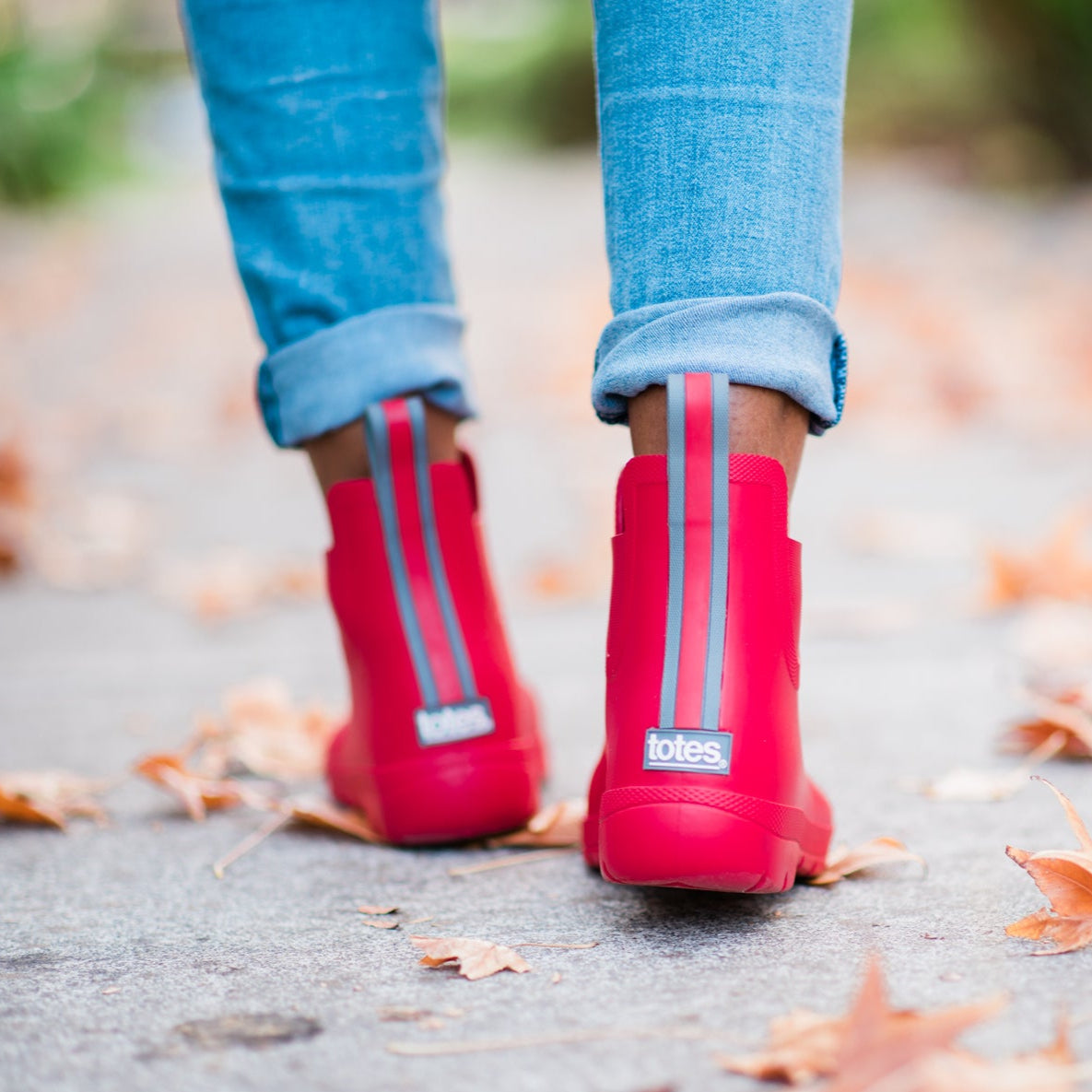
Cold, wet socks can end an otherwise pleasant outing quickly. Footwear should suit the surface, fit securely and leave enough room for the socks you plan to wear. Rain boots can be practical for puddles and muddy paths, but traction, shaft height, flexibility and walking distance still matter. A boot designed for short errands may not feel the same over several miles.
Check the merchant’s current sizing and material guidance, then test new footwear on a short route before relying on it for a long day. After use, clean it as directed and allow it to dry away from damaging heat. Anyone with foot, balance or mobility concerns should follow advice appropriate to their circumstances.
Build a small landing zone at home
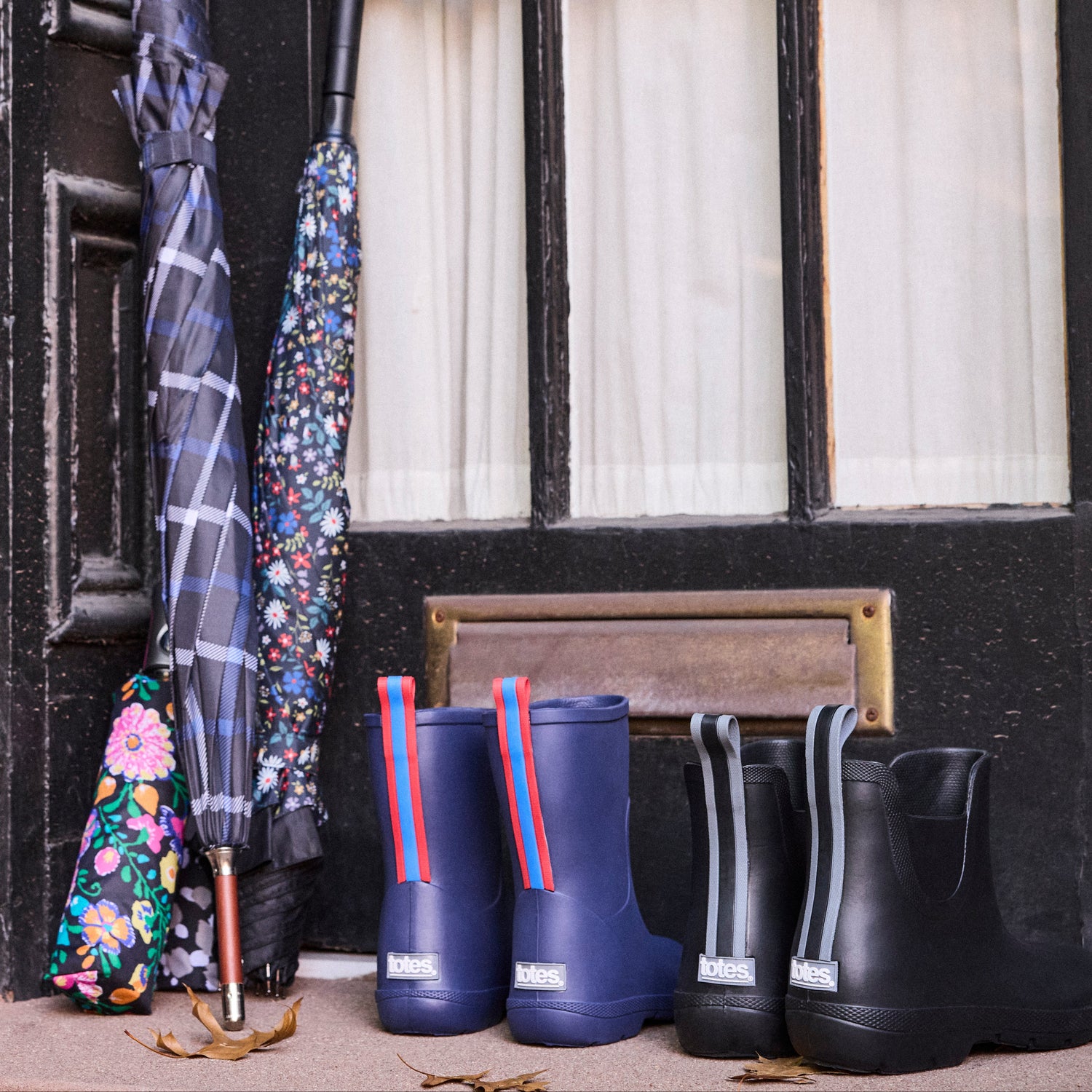
The walk feels easier when the return is prepared. Place a mat or tray near the door, leave a dry layer within reach and decide where the open umbrella can drain safely. Keep wet equipment away from heaters unless the care instructions specifically allow heat. Wipe moisture from handles and mechanisms, open the canopy in a ventilated place and store it only when dry.
This two-minute landing routine prevents a trail of water from turning the outing into a cleaning task. It also makes the next wet day less annoying: boots are together, the umbrella is dry and the towel is where you expect it. Good weather gear helps most when its storage is as uncomplicated as its use.
Use the ten-minute rule
On low-motivation days, commit only to getting dressed and walking for ten minutes on a safe, familiar route. At the turnaround point, decide whether to continue. This removes the pressure to reproduce a fair-weather workout and gives the body time to answer honestly. Some days the ten minutes will be enough; on others, the sound of rain and the change in air will make a longer loop appealing.
Keep a dry indoor alternative ready: a mobility sequence, gentle stair session or short walk in a covered public space. The habit is the protected part. The exact route is allowed to change.
The useful kit
Four questions before buying
Where will it live?
A car, hall stand, tote bag and small backpack each favour a different closed length and weight.
How many people?
Canopy width should match the real user without becoming difficult on narrow pavements.
What is the route?
Wind exposure, trees, transit and crowded streets matter as much as rainfall.
How will it dry?
Choose a product you can open, drain and store properly in the space you have.
Buying note: product ranges, specifications, prices and availability can change. Confirm the current size, weight, materials, operation, care guidance, warranty and return terms with Totes before ordering.
Choose for the next real forecast
Build a rain kit that makes the easy walk easier
Browse current umbrellas, rain boots and wet-weather accessories, then compare them against your usual route, storage space and comfort needs.
Affiliate disclosure: Wellness Relaxation may receive compensation after an eligible purchase through this link. This editorial guide does not replace local weather, safety or healthcare advice.