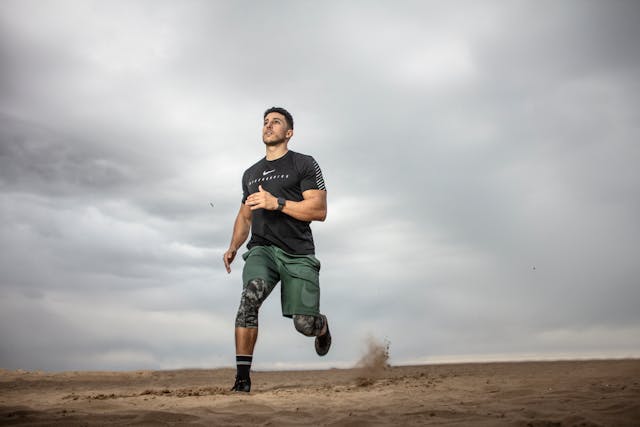
A good workout should challenge you without making safety an afterthought. Whether you are lifting weights, walking hills, attending a class, or returning to exercise after a break, the basics are similar: choose a manageable session, use controlled movements, and adjust when your body or surroundings demand it. You do not need to finish every planned repetition to have a worthwhile workout.
Staying safe is an ongoing process rather than a single precaution. A warm-up cannot compensate for an unsuitable weight, and good shoes cannot make an overheated room comfortable. Build a few checks into each session so you can concentrate on moving well.
Plan a session you can adapt
Before you begin, decide what you will do, roughly how long you will exercise, and what effort you are aiming for. For strength training, write down your exercises, sets, repetitions, and starting weights. For walking, cycling, or other aerobic activity, choose a route or duration that leaves you enough energy to finish comfortably.
Base the plan on your current ability, not what you managed months ago or what someone beside you is doing. After time away, start with a shorter, easier session. Increase one element at a time, such as weight, distance, or duration, so you can judge how you respond.
Include an easier option from the outset. You might swap running for walking, reduce the weight, or leave out a demanding exercise. If illness, an injury, or a health condition affects your exercise choices, seek individual advice from a qualified healthcare professional before attempting unfamiliar or strenuous activity.
Check your space and equipment
Take a moment to look around before moving. At home, clear loose rugs, cables, toys, and anything you could trip over. Allow enough room to extend your arms and legs without hitting furniture. In a gym, keep bags away from walkways and return equipment so other people have space too.
- Choose footwear suited to the activity, with secure fastenings and soles that grip the surface.
- Check that benches, machine seats, and resistance attachments are secure before using them.
- Inspect bands for tears and avoid using visibly damaged equipment.
- Learn how to stop a treadmill or other powered machine before starting it.
- For outdoor sessions, consider visibility, traffic, uneven ground, and a safe route home.
Adjust your plans for heat, humidity, cold, or slippery conditions. Move indoors, choose a cooler time, or shorten the session when needed. Carry a phone on solo outings, and let someone know your route if you will be somewhere quiet or unfamiliar.
Warm up for the movements ahead
Begin with several minutes of easy movement and gradually increase the effort. Before a brisk walk, walk slowly first. Before cycling, pedal gently. For a strength session, combine comfortable whole-body movement with easier versions of the exercises you intend to perform.
For example, practise a squat without added weight before using resistance, or do a light set before your working sets. Use this time to notice stiffness, discomfort, balance, and how energetic you feel. If a movement feels wrong at an easy level, adding load is unlikely to improve it.
A warm-up helps you prepare, but it does not guarantee that you will avoid injury. Avoid forcing stretches or bouncing into uncomfortable positions. At the end of your workout, gradually ease the pace before stopping. Gentle stretching is optional if it feels comfortable; it should not be painful.
Put control before weight or speed
Choose a level of difficulty that lets you control the movement from beginning to end. If you need to jerk a weight, rush a repetition, or shorten the movement unexpectedly, make the exercise easier. A mirror or a brief video can help you notice changes in technique, while a qualified instructor can give feedback tailored to you.
Set up deliberately before each set. Position your feet securely, check your grip, and adjust the machine to fit your body. Move through a comfortable range rather than trying to copy another person’s depth or flexibility. Breathe steadily and avoid prolonged breath-holding, especially if you have been advised to manage blood pressure.
Stop the set when you can no longer maintain your intended technique. Rest, reduce the resistance, or choose a simpler variation. For heavy barbell lifts, learn how to use safety supports and appropriate spotting before attempting them. Do not improvise a maximum-effort lift when you are alone or unfamiliar with the equipment.
Give yourself time to recover
Rest belongs inside a workout as well as between sessions. Between demanding sets, wait until your breathing settles enough to set up carefully and perform the next movement with control. In a class, take a break even if the instructor or everyone around you continues.
Across the week, alternate harder sessions with easier activity or rest according to how you recover. Repeatedly training the same sore muscles hard can make it difficult to move well. Poor sleep, unusual fatigue, and soreness that changes your normal movement are reasons to reduce the day’s demands.
Keep water accessible and take drinking breaks, particularly during longer sessions or warm weather. Fluid needs vary with the person, conditions, and activity, so avoid forcing a fixed amount regardless of circumstances. Eat regularly enough to support your routine, and avoid starting a demanding workout when you feel weak or unwell.
Know when to pause and when to stop
Working muscles and faster breathing are expected during exercise, but pain is not a target. Sharp, sudden, or increasing pain, joint pain, dizziness, nausea, or unusual weakness should prompt you to stop and assess how you feel. Do not use momentum or change your gait to push through a painful movement.
If you feel faint, stop safely and sit or lie down somewhere secure. Ask for help if needed. Chest pain or pressure, fainting, or severe or unusual breathlessness requires urgent medical attention. Stop exercising and contact local emergency services rather than trying to finish the session or drive yourself for help.
Ordinary muscle soreness can appear after unfamiliar exercise, but symptoms are not always easy to interpret. Seek professional advice for persistent or worsening pain, marked swelling, difficulty bearing weight, or symptoms that keep returning. Avoid repeatedly testing an injury with the same exercise to see whether it still hurts.
Have a simple plan if something goes wrong
Know where help is available. At a gym, identify staff and ask about emergency procedures. At home, keep your phone within reach rather than across the room. If you get hurt, stop the activity and move away from equipment only if you can do so safely.
Record what happened, including the movement involved and when symptoms began, so you can explain it clearly if you need care. Return gradually once you can manage everyday movement comfortably and follow any individual rehabilitation advice. The aim is to build a routine you can sustain: plan sensibly, move with control, recover adequately, and change course when your body gives you a reason.