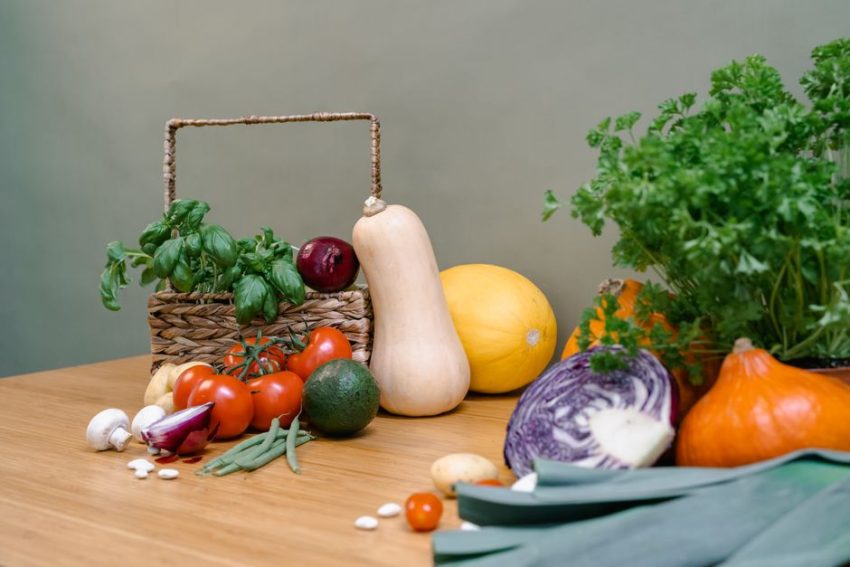
You buy a basket of bright summer produce, then find soft berries, wilted greens, and half-used vegetables in the refrigerator five days later. A simple plan fixes the waste: choose produce at peak quality, build balanced plates, and prepare only what you can eat while it still tastes fresh.
Why seasonal summer produce makes healthy eating easier
Summer fruits and vegetables solve a basic eating problem: they add water, fiber, color, and flavor without requiring heavy sauces or long cooking times. Tomatoes, cucumbers, peaches, berries, corn, zucchini, peppers, and leafy greens can turn a plain meal into something satisfying in minutes. Their high water content also helps meals feel lighter during hot weather, while fiber slows digestion and helps you stay full after eating.
Start with the five-part summer plate
Build lunch and dinner around five parts: half non-starchy vegetables, one quarter protein, one quarter whole-food carbohydrate, a small amount of healthy fat, and one flavor booster. For example, fill half the plate with tomatoes, cucumber, and peppers; add grilled chicken or beans; include corn or brown rice; finish with avocado, olive oil, or pumpkin seeds; then add lime, herbs, or salsa. This structure works better than trying to label every meal as good or bad.
Choose produce by color and texture
Use color as a quick shopping check. Red and orange produce such as tomatoes, peppers, and peaches brings different plant compounds from dark green kale, spinach, or broccoli. Add purple cabbage, blueberries, or eggplant for another color group. Texture matters too: pair crisp cucumber with soft beans, juicy tomatoes with chewy grains, or roasted zucchini with crunchy seeds. This contrast makes a vegetable-heavy meal feel complete instead of repetitive.
Match food to the weather
On the hottest days, choose chilled meals with minimal cooking: bean and corn salad, yogurt with berries and oats, or a whole-grain wrap filled with greens and sliced vegetables. On cooler evenings, roast zucchini, peppers, and eggplant at 425°F for 20 to 25 minutes. Add protein and a grain after cooking. The clear verdict is simple: use raw produce for speed, roasted produce for depth, and switch between both so healthy eating does not feel like a daily chore.
Which summer fruits and vegetables should you buy first?

The best shopping list starts with produce that gives you several meals, not with the fruit that looks most attractive in the store. Buy two fast-use items, two medium-life items, and two durable vegetables. This spreads your spending across the week and lowers the chance of throwing food away.
| Produce | Best use | Typical storage | Buy when |
|---|---|---|---|
| Strawberries | Breakfast, salads, snacks | 3 to 5 days refrigerated | They smell sweet and have no wet spots |
| Peaches | Oatmeal, yogurt, salsa | 2 to 4 days ripe | They yield slightly near the stem |
| Tomatoes | Sandwiches, bowls, sauces | 3 to 7 days at room temperature | They feel heavy for their size |
| Cucumbers | Salads, chilled soups, snacks | 4 to 6 days refrigerated | They feel firm from end to end |
| Zucchini | Grilling, roasting, stir-fries | 4 to 7 days refrigerated | The skin looks glossy and unbroken |
| Corn | Grilling, salads, grain bowls | 1 to 3 days refrigerated | The husk looks green and moist |
Use a two-day and five-day split
Plan to eat delicate berries, leafy greens, and ripe peaches during the first two days. Save cabbage, carrots, peppers, zucchini, and firm cucumbers for later meals. This split keeps the first half of the week fresh and prevents the common mistake of opening every package on Sunday night.
Spend more on flavor, not volume
Buy a small amount of high-flavor produce, then fill out meals with lower-cost staples such as cabbage, carrots, onions, beans, oats, brown rice, and frozen vegetables. A handful of berries can improve breakfast, while a large bag of spinach may spoil if nobody wants a salad on day four. The strongest plan is the one that matches your actual eating schedule.
The healthiest summer plate needs balance, not restriction
What should fill half the plate?
Half the plate should contain vegetables or a mix of vegetables and fruit, with vegetables taking the larger share at most meals; that ratio adds volume and fiber without making lunch feel heavy, and it gives you room to use sweet summer produce as a snack, breakfast topping, or dessert rather than forcing fruit into every main dish.
How much protein and carbohydrate belong beside produce?
Add a palm-sized serving of protein such as eggs, fish, chicken, tofu, Greek yogurt, or beans, then add a fist-sized serving of potatoes, corn, whole-grain bread, quinoa, or brown rice; this pairing matters because a plate built only from fruit and raw vegetables can leave you hungry soon after eating, while protein, carbohydrates, and a little fat help turn produce into a meal that lasts.
How to prep a week of summer meals in 45 minutes

My recommendation: prep components, not seven finished meals. Components stay useful when plans change, and they keep delicate produce from sitting in dressing or steam. Set a timer for 45 minutes and follow this order.
- Wash and dry selectively. Rinse berries only when you plan to eat them. Wash greens, peppers, cucumbers, and herbs, then dry them well. Extra moisture speeds spoilage, especially in sealed containers.
- Make one grain and one protein. Cook two cups of brown rice, quinoa, or farro. While it cooks, prepare beans, hard-boiled eggs, tofu, or chicken. Cool both before sealing them.
- Cut durable vegetables. Slice peppers, carrots, cabbage, and cucumbers. Leave tomatoes whole until use because cut tomatoes lose texture quickly.
- Prepare one sauce. Mix olive oil, lemon juice, garlic, mustard, and black pepper. Store it separately so salads stay crisp.
- Build three meal combinations. Make one grain bowl, one chopped salad, and one wrap or toast meal. Change the fruit, herbs, and sauce each day.
Useful products for a small kitchen
The OXO Good Grips Salad Spinner, 4.95-quart model, about $29.99, is the best single tool for people who regularly discard wet greens because it dries a large batch quickly. For fast vegetable cooking, the Lodge 10.25-inch Cast Iron Skillet, about $26.90, gives zucchini, corn, and peppers a browned surface without a complicated setup. These tools are optional; a clean towel and a sturdy pan work if your budget is tight.
When not to buy pre-cut produce
Skip a pre-cut fruit tray or salad kit when you will eat only one serving, when the package has pooled liquid, or when the price is more than twice the cost of whole produce. A Dole Chopped Sesame Asian Salad Kit, 12.3 ounces and about $4.99, can help on a rushed evening, but the dressing and toppings may add more sodium than a homemade cabbage salad. Buy it for a genuine time problem, not because the package looks like a complete nutrition plan.
Common summer eating mistakes and the fixes that work
Why does fresh produce spoil so quickly?
The usual cause is poor storage, not a lack of motivation. Berries last longer when you remove damaged fruit, keep them dry, and store them in a shallow container lined with a paper towel. Keep tomatoes on the counter, place leafy greens in a breathable container, and store cut vegetables in sealed containers. If you buy Driscoll’s Organic Strawberries, a one-pound package priced around $5.99, plan to use them within three days instead of treating them as a full-week purchase. The best choice for a small household is one smaller package bought twice, rather than one large package that becomes waste.
What should you do when salads leave you hungry?
Add a real protein source and a slow-digesting carbohydrate. Beans, lentils, eggs, tuna, tofu, potatoes, oats, and whole-grain bread all work better than adding another handful of lettuce. A salad can also fail because the dressing is too light to make vegetables appealing, so use a measured tablespoon of olive oil or a yogurt-based dressing, then add herbs, citrus, or vinegar for flavor.
When should you choose frozen or canned vegetables?
Choose frozen vegetables when fresh produce is expensive, out of season, or likely to spoil before your next meal. Choose canned beans or vegetables when you need a shelf-stable backup, and rinse them to remove some surface sodium. The practical verdict is clear: fresh produce wins for texture and local peak-season flavor, but frozen and canned options win when they help you eat vegetables instead of skipping them. Healthy summer eating depends on a workable supply, not a perfect refrigerator.
Build each summer meal around colorful produce, a clear protein source, and enough whole-food carbohydrate to keep you satisfied.
Always consult a qualified healthcare professional before making health-related decisions.