
I’ve been through so many fitness trackers over the years, I’ve lost count. Some were top-tier devices, costing hundreds, promising the moon. Others were budget buys, cheap enough to replace without a second thought, but almost always a disappointment. What I’ve learned? That sweet spot between functionality and cost is rarely where you expect it. And let me tell you, that $30 tracker claiming 10-day battery life and medical-grade heart rate monitoring? It’s a lie. A common one. My experience tells me that most users, especially those new to fitness tech, often abandon these super-cheap devices within a few months because they simply don’t deliver.
The Frustrating Cycle of Cheap Fitness Tech
Here’s the thing about budget fitness trackers: they lure you in with a low price tag and a laundry list of features. Blood pressure! Oxygen saturation! 100 sport modes! All for less than a decent dinner out. I get it. The idea of getting a Fitbit-level experience for a fraction of the cost is incredibly appealing, especially if you’re just dipping your toes into tracking your steps or sleep. But I’ve fallen for this trap myself too many times. You end up with something that barely works, frustrates you daily, and ultimately gathers dust in a drawer.
Why ‘Good Enough’ Is Never Good Enough
I used to think, “It just needs to count steps, right?” Wrong. If your step count is consistently off by 20% compared to your phone, or your heart rate monitor gives you wildly different readings within seconds, then what’s the point? It undermines your trust in the data, making it useless for setting goals or tracking progress. I’m talking about devices that tell me I’ve walked 12,000 steps on a day I worked from home, or that my heart rate during an intense workout was a casual 85 BPM. That’s not just inaccurate; it’s actively misleading.
You want to see trends, understand your activity levels, and feel like the data you’re getting is reliable. When a device fails at the very basic tasks it advertises, it’s not ‘good enough’ – it’s a waste of money and motivation.
The Hidden Costs of a $30 Tracker
Think about it. That $30 tracker usually comes with a terrible app. An app that’s buggy, constantly disconnects, or presents data in such a convoluted way that you can’t make sense of it. What about battery life? Often, those claims of 7-10 days are based on the device sitting idle with no notifications. In real-world use, with regular heart rate monitoring and notifications, you’re lucky to get 3-4 days. Then there’s the build quality: cheap plastic, flimsy straps that break or irritate your skin, and screens that scratch if you look at them funny. These aren’t minor inconveniences; they directly impact usability and longevity. I’ve spent more time troubleshooting cheap trackers and replacing broken straps than I have actually using them to improve my fitness.
What Real Activity Tracking Demands
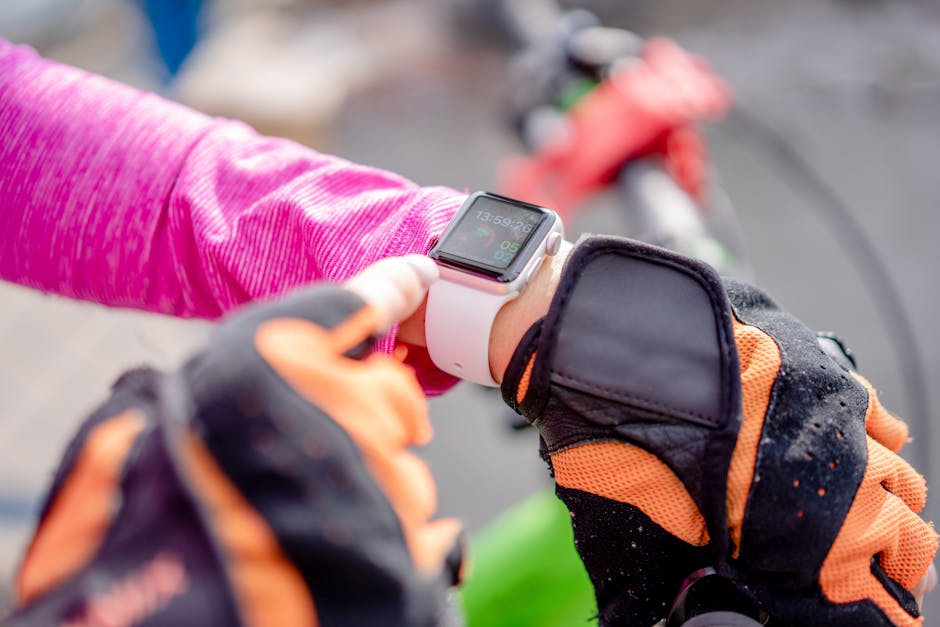
Before you even think about buying another tracker, you need to understand what actually matters. After years of testing everything from basic pedometers to advanced GPS running watches, I’ve boiled it down to a few non-negotiable elements. This isn’t about fancy bells and whistles; it’s about the core functionality that gives you actionable insight into your health and fitness.
Optical Heart Rate: What to Trust (and What Not To)
Most budget trackers use optical heart rate sensors. These work by shining an LED light into your skin and measuring the changing blood flow. Sounds simple, right? It is, but accuracy varies wildly. For casual, resting heart rate checks, many budget devices are adequate. They’ll get you in the ballpark of your baseline. However, the moment you start moving, especially during a workout, things fall apart. Intense exercise with a lot of arm movement, or any activity that causes the sensor to lose consistent skin contact, will lead to wildly inaccurate readings. I’ve seen budget trackers report my heart rate as 90 BPM during a full-on sprint, while my chest strap monitor shows 170 BPM. That’s a huge problem if you’re trying to train in specific heart rate zones. If precise workout heart rate is critical for you, you need a chest strap (like a Polar H10 or Garmin HRM-Pro, around $90-$120) paired with your device, or a much higher-end tracker like an Apple Watch or Garmin Forerunner series (starting around $200-$350).
Beyond Steps: The Value of GPS and VO2 Max
Steps are great, but they’re just one metric. For anyone serious about running, cycling, or even consistent walking, built-in GPS is a . It allows you to accurately map your routes, measure distance, and track pace without lugging your phone around. Budget trackers often rely on “connected GPS,” meaning they use your phone’s GPS, which defeats the purpose of leaving your phone behind. If you’re comparing your runs against previous efforts, relying on connected GPS just adds another layer of potential inaccuracy or hassle. Similarly, metrics like VO2 Max estimation, while not perfectly accurate on any wrist device, provide a good proxy for your cardiovascular fitness. A tracker that can consistently estimate this over time, even roughly, gives you a much better picture of your progress than just step counts alone. You won’t find this reliable data on a cheap tracker.
Real-World Battery Expectations
Manufacturers love to quote theoretical maximum battery life, usually under ideal, low-usage conditions. My rule of thumb is to always divide the advertised battery life by two for real-world expectations. If a tracker claims 7 days, prepare for 3-4 days with notifications, regular heart rate monitoring, and perhaps a few tracked workouts. If it claims 10 days, expect 5. Anything less than 3 days of real-world use is a nuisance; charging every other day turns a convenience into a chore. I expect at least 4-5 days from any tracker I wear consistently. The more features you use (always-on display, GPS, continuous HR), the faster it drains. It’s a trade-off, but don’t fall for inflated numbers.
The HiFuture Evo2: My Actual Experience
Alright, let’s talk about the HiFuture Evo2. I picked one up for about $35 on Amazon, mostly out of curiosity and because a friend asked me about it. It promised a lot for the price: a big 2.01-inch display, 24/7 heart rate, sleep tracking, and a week of battery life. Here’s how it actually stacked up in my daily use against its claims.
| Feature | HiFuture Evo2 Claim | My Observation | Notes |
|---|---|---|---|
| Display | 2.01″ TFT | Bright enough | Good for the price point, colors are okay. Not AMOLED. |
| Heart Rate | 24/7 Monitoring | Inconsistent | Often lags behind actual changes, unreliable during exercise. Resting HR was okay, active HR was guesswork. |
| Steps | Accurate Pedometer | Overestimates | Consistently 10-15% higher than my Apple Watch SE and phone’s built-in step counter. |
| Sleep | Detailed Tracking | Vague Data | Just ‘light/deep/awake’ without actionable insights. Lacked REM tracking. |
| Battery | 7-Day Life | 3-4 Days | With notifications and some heart rate monitoring. Better than a full smartwatch, but not 7 days. |
| GPS | Connected GPS | Relies on phone | No built-in GPS. Requires your phone for accurate outdoor distance. |
| Water Resistance | IP68 | Fine for splashes | Wouldn’t swim with it for prolonged periods, but showering or washing hands is okay. |
| Price | Around $30-$40 | $35 on Amazon | Very affordable, but you get what you pay for. |
Step Counting and Heart Rate: My Field Test
I wore the Evo2 alongside my Apple Watch SE for a week. For steps, the Evo2 consistently registered more steps than my Apple Watch – usually by about 1,000-1,500 steps over a 10,000-step day. This kind of overestimation is common in cheaper trackers; they’re often too sensitive to arm movements. For heart rate, the resting heart rate was generally in the right range, but during workouts (running, cycling, strength training), it was wildly inaccurate. It would often show my heart rate dropping significantly mid-workout, only to spike moments later, or simply report a much lower average than my chest strap. If you need accurate heart rate for training, this isn’t it.
App Integration and Notifications
The companion app for the HiFuture Evo2 (which I won’t name to avoid giving it undue attention) is basic. It connects via Bluetooth, and sometimes that connection is flaky. Notifications from my phone came through, but they were often delayed, and you can’t reply to them, which is standard for this price point. The data presentation in the app is rudimentary; it shows your daily steps, heart rate, and sleep, but there’s no real trend analysis or deeper insights. It feels like a barebones display of raw numbers rather than a tool for understanding your health over time.
Build Quality and Battery Life
The build quality is exactly what you’d expect for $35. It’s lightweight plastic, and the strap feels cheap. The screen is bright enough indoors, but direct sunlight makes it hard to read. I scratched it accidentally on a doorframe within a few days, which wouldn’t happen with a Gorilla Glass display. Battery life was respectable for its price, hitting about 3-4 days with notifications and continuous heart rate monitoring on. It’s certainly better than a full-blown smartwatch that needs charging every day, but it falls short of its advertised 7-day claim under real use.
Common Budget Alternatives: Do They Do Better?

So, if the HiFuture Evo2 has these limitations, what about other popular budget trackers? Are there any that actually deliver on the promise of affordable, reliable fitness tracking? I’ve used several, and there are definitely better options if your budget is tight.
- Xiaomi Mi Band 8: The Budget King?
This is often my go-to recommendation for a truly affordable tracker. Usually priced around $40-$50, the Xiaomi Mi Band 8 offers a vibrant AMOLED display, much more reliable heart rate tracking for casual use, and genuinely impressive battery life – I consistently get 5-7 days of real-world use. Its companion app, Mi Fitness, is also far more polished and provides better data insights than what comes with the Evo2. It still uses connected GPS, but for basic step, sleep, and casual workout tracking, it’s a solid choice. If your budget is under $50, get the Mi Band 8. Don’t waste your time with anything cheaper.
- Redmi Watch 3 Active: A Better Screen, but At What Cost?
The Redmi Watch 3 Active (around $50-$60) offers a larger screen than the Mi Band 8, more akin to a square smartwatch. It shares much of the Mi Band’s core tech and app experience. The larger display is nice for notifications and quick glances, but its heart rate accuracy is similar to the Mi Band – good for casual, not for intense workouts. Battery life is also generally good, around 4-6 days. It’s a step up in display size if that’s important to you, but functionally, it’s very close to the Mi Band. If you want a bigger screen and can spare the extra $10-$15, it’s a decent option, but it won’t magically make the data more accurate than the Mi Band.
- Fitbit Inspire 3: When Brand Matters
If you can stretch your budget a bit further, the Fitbit Inspire 3 (often on sale for $70-$100) is a significant upgrade. Fitbit’s strength lies in its ecosystem and excellent app. The Inspire 3 provides far more accurate step counting, better sleep stage tracking (including REM), and more consistent heart rate data, even during moderate activity. The app delivers fantastic insights and motivational tools. Battery life is stellar, easily hitting 7-10 days. Yes, it costs more, but the consistency and quality of the data, plus the robust app, make it worth every penny if you’re serious about long-term tracking. You also get a year of Fitbit Premium with it, which adds even more value. It’s a completely different league from the Evo2, and I recommend it for anyone who wants serious tracking on a relatively tight budget.
Verdict: Who Should (and Shouldn’t) Buy the Evo2
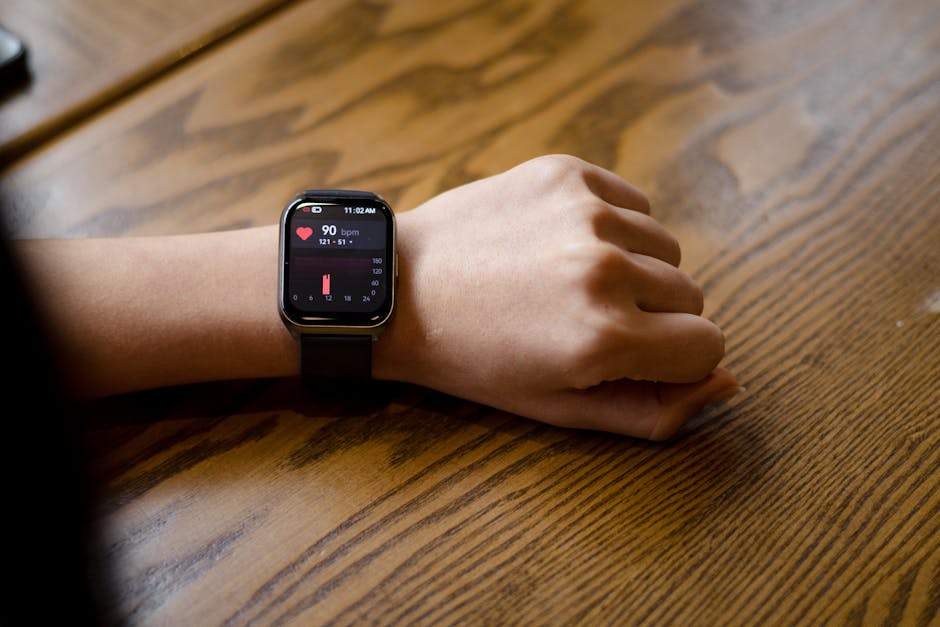
Look, if you’re looking for a genuinely useful fitness tracker, don’t buy the HiFuture Evo2. It’s another one of those devices that looks good on paper for $35 but delivers a frustrating experience. The data isn’t reliable enough for anything beyond a rough estimate, and the app is rudimentary. You’d be better off saving up a bit more for a Xiaomi Mi Band 8 or, even better, a Fitbit Inspire 3. Those devices offer a much more consistent and actionable experience for not much more money.