
A longitudinal study involving over 38,000 women, known as the Iowa Women’s Health Study, revealed a counterintuitive finding that persists in nutritional science: those who regularly consumed broad-spectrum multivitamins actually exhibited a slightly higher risk of mortality compared to those who did not. This data challenges the long-held assumption that a daily pill serves as a harmless insurance policy. The reality of the supplement industry is far more nuanced, requiring an analytical lens to separate expensive urine from genuine biological intervention. When constructing a best supplements list, the focus must shift from general supplementation to targeted, bioavailable compounds that address documented physiological gaps. Most consumers are over-supplemented with nutrients they already obtain from food while remaining chronically deficient in critical minerals and fatty acids that govern cellular repair and cognitive function. This investigation examines the data behind the most effective compounds currently available, prioritizing clinical efficacy over marketing claims.
Determining Micronutrient Deficiencies and the Bioavailability Problem
The efficacy of any supplement is dictated by its bioavailability—the proportion of the substance that enters the circulation when introduced into the body and is able to have an active effect. Many mass-market products use the cheapest possible chemical forms, such as magnesium oxide or zinc sulfate, which have notoriously poor absorption rates in the human gastrointestinal tract. For instance, magnesium oxide has a fractional absorption rate of approximately 4%, meaning the vast majority of the dose remains in the gut, often causing laxative effects rather than raising systemic magnesium levels. When selecting items for a best supplements list, one must prioritize chelated forms or those bound to organic acids, which utilize specific transport pathways for better uptake.
Vitamin D3 provides a striking example of the necessity for targeted supplementation. Estimates suggest that roughly 42% of the United States population is vitamin D deficient, a condition linked to impaired immune function, bone density loss, and increased systemic inflammation. However, taking Vitamin D3 in isolation can be counterproductive. The body requires Vitamin K2 to activate osteocalcin and matrix GLA protein, which ensure that the calcium liberated by Vitamin D is directed into the bones and teeth rather than depositing in the arterial walls. This synergy is a fundamental principle of sophisticated nutritional planning. Without K2, high-dose D3 supplementation could theoretically increase the risk of vascular calcification.
Key Product: Thorne Vitamin D/K2 Liquid
Thorne is frequently cited by practitioners for their rigorous testing standards and absence of unnecessary fillers. Their Vitamin D/K2 liquid offers a balanced ratio that mirrors clinical recommendations.
- Approximate Price: $30 per 1-ounce bottle.
- Pros: Excellent bioavailability in a medium-chain triglyceride (MCT) oil base; allows for precise micro-dosing.
- Cons: The glass dropper can be fragile; higher price point per serving compared to generic softgels.
Comparison of Common Magnesium Forms
| Magnesium Form | Bioavailability | Primary Use Case | Potential Side Effects |
|---|---|---|---|
| Magnesium Glycinate | High | Sleep, anxiety, general deficiency | Minimal; very gentle on stomach |
| Magnesium Citrate | Moderate | Digestive regularity | Laxative effect at higher doses |
| Magnesium L-Threonate | High (Brain-specific) | Cognitive function, memory | Expensive; may cause headaches initially |
| Magnesium Oxide | Low | Antacid use | Significant GI distress |
Essential Fatty Acids and Micronutrients for Cardiovascular and Cognitive Health
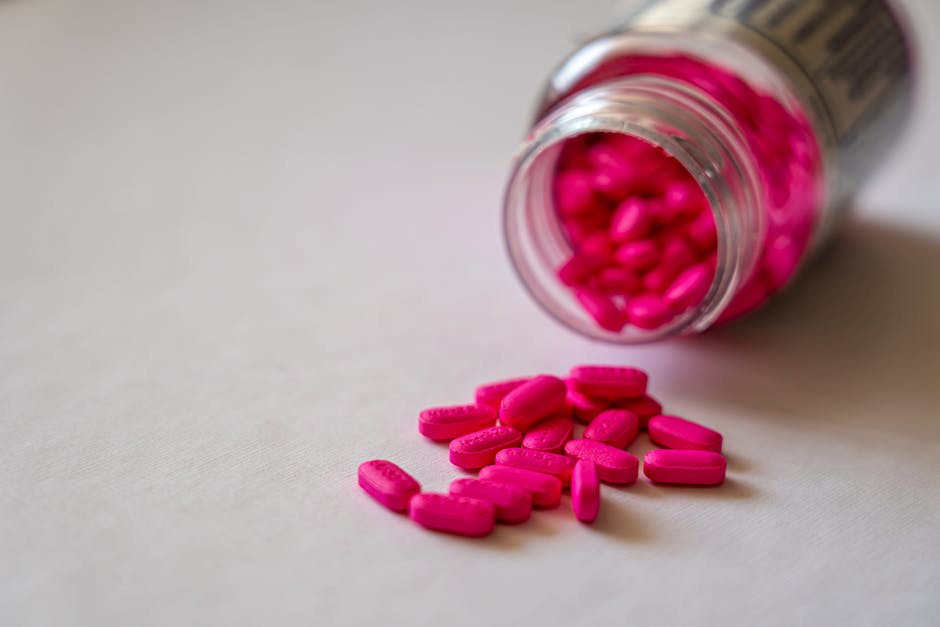
Omega-3 fatty acids, specifically Eicosapentaenoic acid (EPA) and Docosahexaenoic acid (DHA), are perhaps the most researched compounds in the context of lipid management and neuroprotection. The “Omega-3 Index,” a measure of EPA and DHA in red blood cell membranes, is a potent predictor of cardiovascular risk. A low index is associated with an increased risk of sudden cardiac death. Most modern diets are heavily skewed toward Omega-6 fatty acids, creating a pro-inflammatory state that supplements help to rebalance. However, the source of these fats is paramount. Fish oil is highly susceptible to oxidation; consuming rancid oil may actually increase oxidative stress rather than reducing it.
Beyond fats, the B-vitamin complex plays a critical role in methylation, a biochemical process responsible for DNA repair, neurotransmitter production, and homocysteine regulation. High homocysteine levels are a known independent risk factor for heart disease and cognitive decline. For individuals with the MTHFR gene mutation—which affects a significant portion of the population—standard folic acid cannot be efficiently converted into its active form. These individuals require methylated folate (5-MTHF) and methylcobalamin (B12) to bypass this genetic bottleneck. This is why a generic multivitamin often fails; it provides the wrong molecular key for the user’s specific biological lock.
Key Product: Nordic Naturals Ultimate Omega
Nordic Naturals utilizes a molecular distillation process to ensure purity from heavy metals and environmental toxins, providing a high concentration of EPA and DHA in the triglyceride form, which is superior to the ethyl ester form found in cheaper alternatives.
- Approximate Price: $50 for 120 softgels.
- Pros: Third-party tested for purity; no fishy aftertaste due to high freshness standards.
- Cons: Large softgel size may be difficult for some to swallow; requires refrigeration in hot climates to prevent degradation.
Evidence suggests that the EPA to DHA ratio should be tailored to specific goals: higher EPA for inflammatory and mood concerns, and higher DHA for prenatal support and structural brain health.
The discussion of cognitive health cannot ignore the role of antioxidants like Coenzyme Q10 (CoQ10), specifically in its reduced form, Ubiquinol. As we age, the body’s ability to convert Ubiquinone to Ubiquinol diminishes. This compound is vital for mitochondrial function—the energy-producing powerhouses of our cells. For those taking statin medications, CoQ10 supplementation is often regarded as necessary because statins inhibit the same pathway used to produce this essential enzyme, frequently leading to muscle pain and fatigue. This illustrates the “depletion effect,” where a pharmaceutical intervention necessitates a supplemental one to maintain homeostasis.
Performance and Recovery: Sports Nutrition That Meets Clinical Standards
In the realm of performance, few substances have withstood the scrutiny of the scientific community as well as Creatine Monohydrate. While often pigeonholed as a “bodybuilding” supplement, creatine’s mechanism of action—increasing phosphocreatine stores for ATP regeneration—has profound implications for both physical power and cognitive processing speed under fatigue. It is one of the few supplements where the data is so consistent that it is almost universally recommended for active adults. The fear of “water retention” is largely misunderstood; the hydration occurs intracellularly, which is actually a signal for protein synthesis and cellular integrity.
Protein supplementation, specifically Whey Protein Isolate, serves as a practical tool for meeting daily protein targets, which are often underestimated by those seeking to maintain muscle mass during weight loss or aging (sarcopenia prevention). The leucine content in whey is particularly important, as leucine acts as a molecular switch for the mTOR pathway, triggering muscle protein synthesis. While whole foods should remain the primary source, the rapid digestion kinetics of whey isolate make it an ideal post-exertion recovery tool. For those on plant-based diets, a blend of pea and rice protein is required to achieve a complete amino acid profile comparable to dairy-based sources.
Key Product: Optimum Nutrition Micronized Creatine Powder
This product is the industry standard for purity and value, utilizing a micronization process that reduces particle size for better solubility in liquids.
- Approximate Price: $45 for a 120-serving container.
- Pros: Extremely cost-effective; flavorless and mixes easily into any beverage; Creapure-sourced options available.
- Cons: Can cause minor gastrointestinal upset if taken without sufficient water; the scoop size can sometimes vary between batches.
Another performance compound gaining traction in the literature is Citrulline Malate. Unlike L-Arginine, which is largely broken down by the liver before reaching the bloodstream, Citrulline is efficiently converted into Arginine in the kidneys, leading to increased nitric oxide production. This results in vasodilation, improved blood flow, and more efficient nutrient delivery to working muscles. Research indicates that a dose of 6-8 grams taken an hour before exercise can significantly reduce muscle soreness in the 24-48 hours following a workout. It is a rare example of a “pre-workout” ingredient that has measurable recovery benefits rather than just providing a temporary stimulant buzz.
Summary of Performance Supplements
- Creatine Monohydrate: 3-5g daily. Focuses on ATP recycling and cellular hydration. No need to cycle on/off.
- Whey Isolate: 20-30g per serving. High leucine content for muscle repair. Best for those without dairy sensitivities.
- Beta-Alanine: 3.2-6.4g daily. Buffers intramuscular pH (lactic acid). Causes a harmless tingling sensation (paresthesia).
- Caffeine Anhydrous: 3-6mg/kg of body weight. Increases power output and reduces perceived exertion.
Navigating the Regulatory Landscape and Third-Party Testing
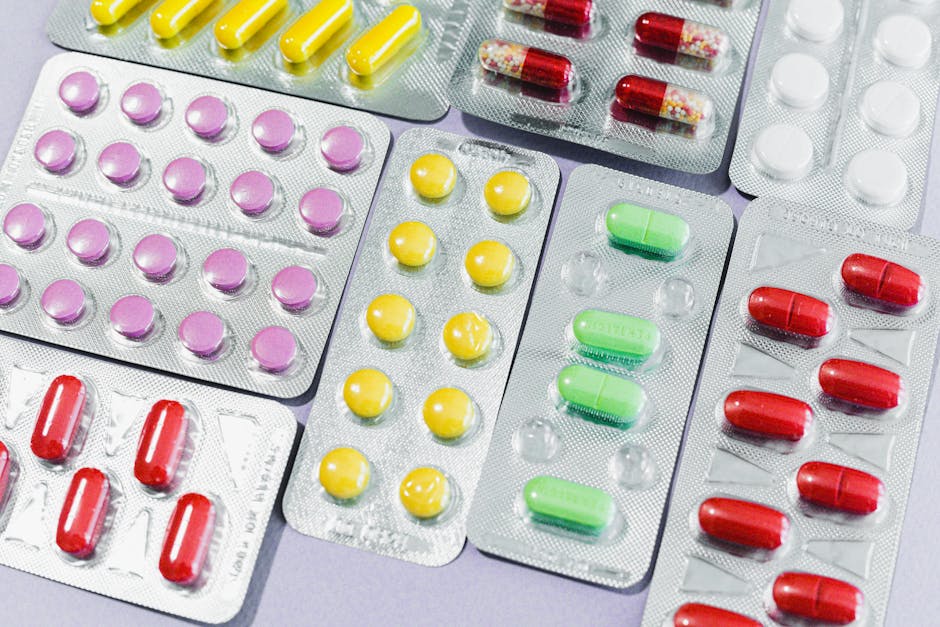

The Dietary Supplement Health and Education Act of 1994 (DSHEA) created a regulatory environment where the FDA does not approve supplements for safety or effectiveness before they reach the market. This “post-market” regulatory structure means the burden of proof lies with the government to show a product is unsafe, rather than the manufacturer proving it is effective. Consequently, the market is flooded with products containing heavy metals, unlisted stimulants, or significantly less of the active ingredient than the label claims. To mitigate this risk, consumers must look for specific third-party certifications that verify the contents of the bottle.
NSF Certified for Sport and Informed Choice are the two most reputable marks in the industry. These organizations test individual batches for banned substances and label accuracy. For the average consumer, this might seem like overkill, but it is the only way to ensure that a “Best Supplements List” recommendation actually translates to the product in your hand. Furthermore, the presence of “proprietary blends” on a label is a significant red flag. These blends allow manufacturers to hide the exact dosages of individual ingredients, often under-dosing the expensive, effective components while padding the weight with cheap fillers like taurine or maltodextrin.
Key Product: Pure Encapsulations Magnesium (Glycinate)
Pure Encapsulations is a brand that prioritizes the removal of common allergens and unnecessary binders, making it a staple for individuals with sensitivities or autoimmune conditions.
- Approximate Price: $28 for 90 capsules.
- Pros: Highly absorbable form; no magnesium stearate or artificial colors; independently tested.
- Cons: Requires multiple capsules to reach a therapeutic dose (120mg per capsule); more expensive than retail pharmacy brands.
When evaluating a brand, transparency is the ultimate metric. Companies that provide a Certificate of Analysis (CoA) upon request demonstrate a commitment to quality that far exceeds the legal minimum. A CoA shows the results of lab testing for that specific lot number, including microbial limits and heavy metal analysis. While the cost of these high-quality products is inevitably higher, the price of consuming contaminated or inert supplements is far greater in the long term. A minimalist approach—taking fewer, higher-quality supplements based on blood work—is always superior to a scattershot approach using bargain-bin vitamins. The goal is biological optimization, which requires surgical precision in both selection and dosage.
Practically speaking, the process of starting a supplement regimen should begin with a comprehensive blood panel including Vitamin D (25-hydroxy), Ferritin, Homocysteine, and a full lipid profile. Without this data, supplementation is merely guesswork. Once deficiencies are identified, introduce one supplement at a time for a period of two weeks to monitor for adverse reactions or improvements. This methodical approach allows you to identify exactly which compound is responsible for changes in your well-being, ensuring that your best supplements list is personalized to your unique genetic and lifestyle requirements.