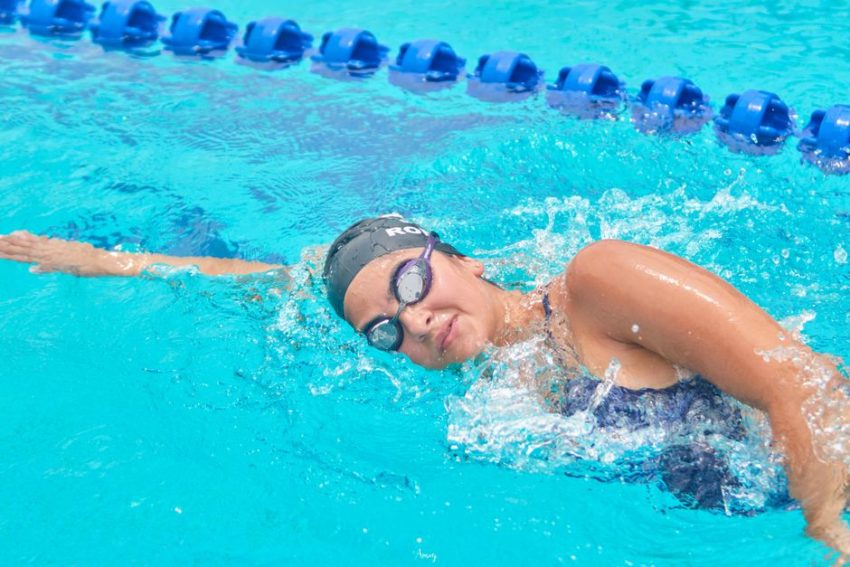
Start with two or three short pool sessions per week, swim slowly enough to control your breathing, and build distance before speed. That approach works better than copying an advanced swimmer’s workout on your first visit. Swimming can improve cardiovascular fitness, muscular endurance, and confidence in the water, but only if the sessions are easy enough to repeat. The biggest beginner mistake is treating every swim like a test.
How to start swimming without burning out
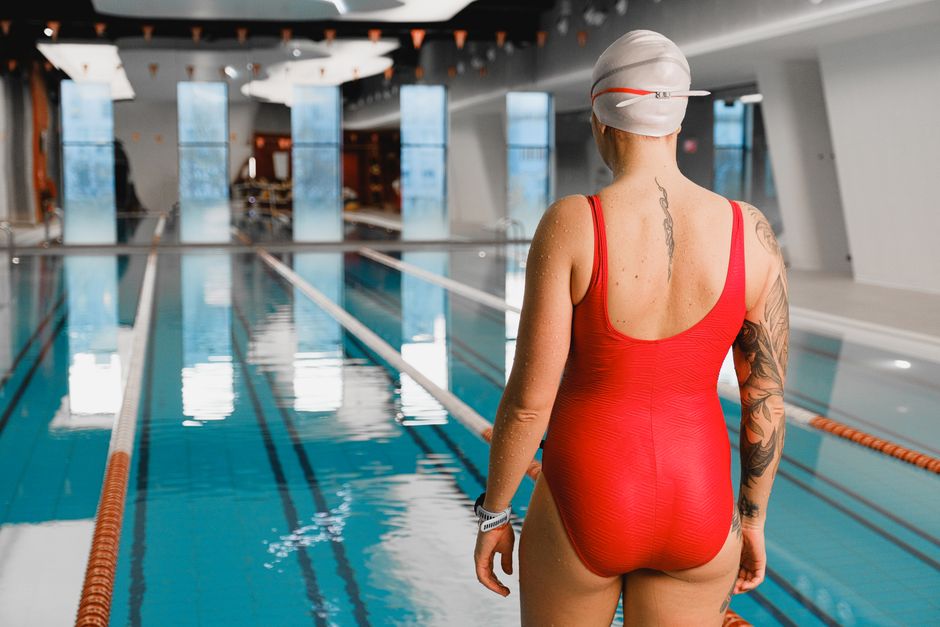
Your first four sessions
- Session one: swim 20 minutes using 25-meter lengths, resting 30 to 45 seconds after each length.
- Session two: complete 8 to 12 easy lengths, then add four lengths with a slightly quicker pace.
- Session three: swim 25 to 30 minutes, alternating one easy length with one moderate length.
- Session four: repeat session three and add only two to four lengths if your shoulders and breathing feel normal the next day.
Most beginners should start with two sessions per week. Add a third session after two or three weeks if you recover well. Leave at least one day between harder swims. Your first target is not a fast 1,000 meters; it is showing up often enough for the movement to feel less awkward.
How to pace each length
Push off gently, keep your first few strokes calm, and exhale continuously underwater. Rest at the wall before your form falls apart. A 25-meter pool is easier for beginners because each length ends quickly; a 50-meter pool demands more patience. Count lengths, not laps, because different pools use the word lap differently.
Keep a small note on your phone with the date, total time, approximate distance, and one sentence about how you felt. Do not record every technical detail. The useful question is, “Can I repeat this session next week?” If the answer is no, reduce the distance by 20 percent and keep the same relaxed pace.
Which beginner swim gear is actually worth buying?
The short shopping list
You need a swimsuit, goggles, and a way to get your hair out of your face. A cap is useful but not mandatory for every swimmer. Buy fit and comfort before buying technology. A $38 pair of goggles that stays sealed is more useful than an expensive pair that leaks after two lengths.
| Product | Listed price | Useful detail | My verdict |
|---|---|---|---|
| Speedo Biofuse 2.0 Goggles | $38 MSRP | Soft seals, push-button adjustment, wide optic profile | Best first pair for indoor fitness swimming |
| TYR Durafast Elite swimsuit | $79 listed price | 92% polyester and 8% spandex, chlorine-resistant fabric, 300-plus hours of performance | Best choice for frequent pool sessions |
| Garmin Swim 2 | $249.99 suggested retail price | Tracks distance, pace, stroke count, SWOLF, and pool or open-water workouts | Useful later, unnecessary for your first month |
Try goggles by pressing them lightly to your face without using the strap. They should hold a brief seal around your eyes. If they pinch your nose or leave a painful mark, try another shape. Rinse them with fresh water after each session and let them air-dry; rubbing the inside lens damages the anti-fog coating.
What not to buy yet
Do not start with hand paddles, a pull buoy, fins, a snorkel, and a training watch all at once. Extra equipment can hide weak body position and make a beginner think the gear created the fitness. Start with the basics, learn how your stroke feels, and add one tool only when you can explain the problem it will solve.
How to build an eight-week swim routine
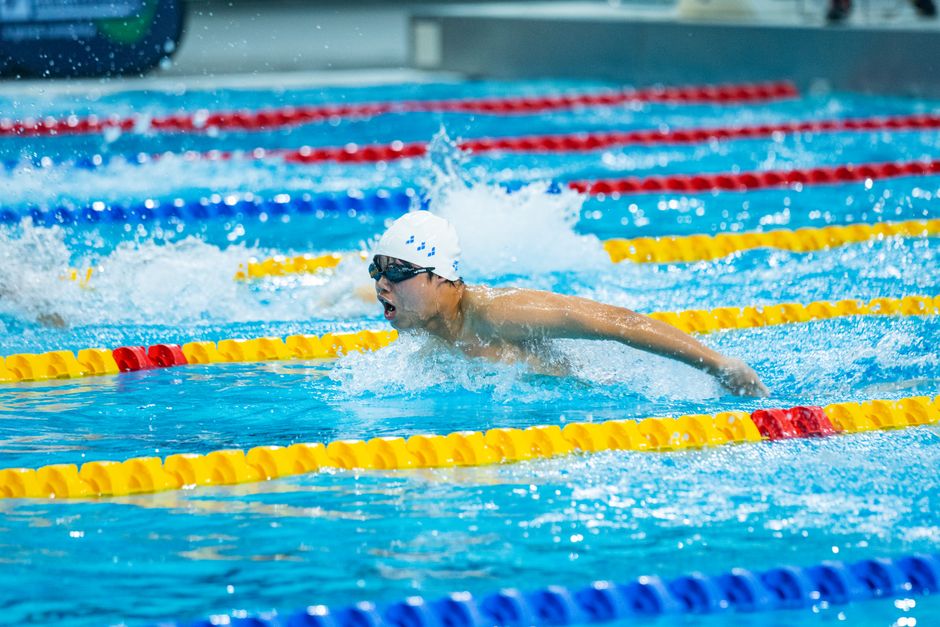
Weeks one and two: make the pool feel normal
Swim two days per week for 20 to 30 minutes. Use short repeats such as 12 × 25 meters with 30 seconds of rest. The goal is steady breathing and a relaxed return to the wall. If you cannot swim 25 meters without stopping, use shorter repeats and rest as needed. There is no fitness prize for struggling through a full length.
Weeks three and four: add time, not drama
Move toward 30 to 35 minutes. Try 8 × 50 meters at an easy pace, resting 30 to 60 seconds between repeats. Add four 25-meter moderate efforts at the end if your technique stays clean. Keep one session easy and make the other session slightly more structured. A good week might include an easy continuous swim, then a session of short intervals.
Weeks five through eight: introduce controlled effort
Build toward 35 to 45 minutes across two or three weekly sessions. One workout can include 6 × 50 meters at a pace that feels challenging but repeatable. Another can use 10 × 25 meters with a little more speed and generous recovery. Every fourth week, reduce total distance by about 15 to 20 percent. That lighter week gives your shoulders and elbows time to settle.
Track progress in three ways: total distance, recovery time, and technique. If you swim the same distance with less rest, you are improving. If you swim farther but your neck, shoulders, or lower back hurt, the number is not a win. Keep one rest day after a demanding session, and stop if pain changes your stroke or persists outside the pool.
Swimming questions beginners ask before committing
Do I need to know all four strokes?
No. Freestyle is enough to build a useful fitness routine. Backstroke can give your neck a break, but breaststroke may bother the knees if you force the kick. Butterfly is not needed for general fitness. My recommendation is to learn one comfortable stroke first, then add a second stroke for variety.
Should I buy a swim watch?
Not at the beginning. The Garmin Swim 2 can track distance, pace, stroke count, SWOLF, and heart-rate data, and its suggested retail price is $249.99. Those features become useful when you already swim regularly and want structured feedback. During your first month, the wall clock, a simple length count, and honest effort notes are enough.
What if I cannot breathe comfortably?
Slow down before changing everything else. Exhale into the water instead of holding your breath until the last second. Practice standing or holding the pool edge while breathing out underwater, then turn your head gently to inhale. If you feel chest pain, faintness, unusual shortness of breath, or a medical symptom that concerns you, leave the pool and seek appropriate medical advice.
Is a durable swimsuit worth the money?
For two weekly sessions, a basic suit may be fine. For frequent chlorine exposure, the TYR Durafast Elite line is a sensible upgrade because the fabric is designed for 300-plus hours of performance and costs less than replacing several flimsy suits. The product will not fix poor technique, but it can remove one annoying reason to skip a workout.
Six mistakes that make swimming harder than it needs to be
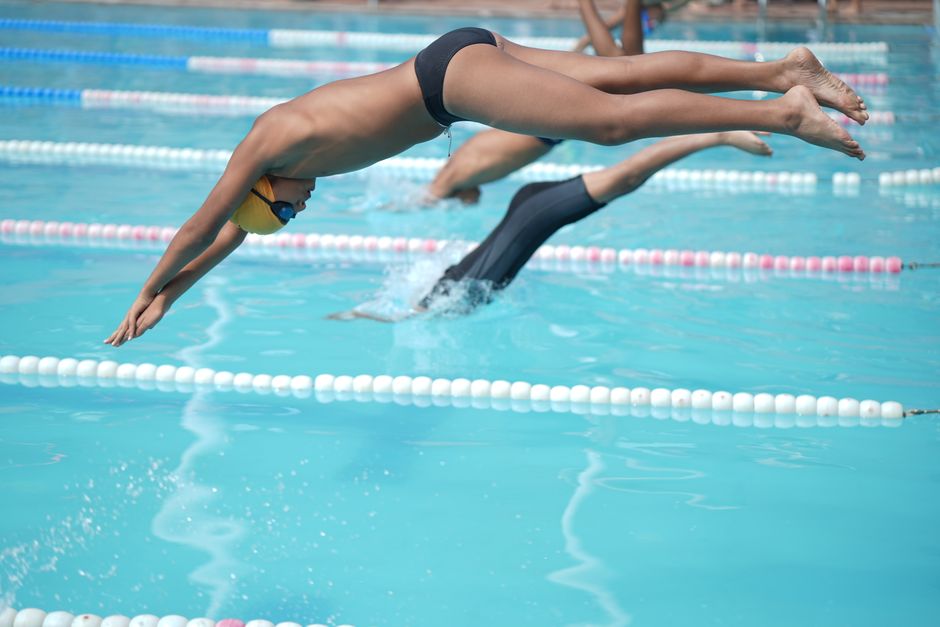
The failures I see most often
- Starting too fast: The first length feels easy, so the swimmer sprints. By length four, breathing is chaotic. Start at a pace you could repeat six times.
- Holding the breath: This creates a rushed inhale and makes the water feel threatening. Exhale steadily underwater.
- Kicking from the knees: A large bicycle kick creates drag and wastes energy. Keep the legs long and let the kick start from the hips.
- Lifting the head to breathe: Raising the head drops the hips and makes the body act like a brake. Turn the head with the body instead.
- Using equipment to hide fatigue: Fins and paddles can make a weak session feel productive. Use them only after you can swim with stable form.
- Ignoring shoulder pain: Mild muscle fatigue is common, but sharp pain or pain that changes your stroke is a reason to stop and reassess.
When swimming is not the right first choice
Do not force swimming if you cannot access a safe pool, dislike being in water, or have a shoulder problem that worsens with repeated overhead movement. Brisk walking, cycling, rowing, or water walking may be a better starting point. The best exercise is the one you can repeat without dread and recover from without persistent pain.
Also skip the “make up for missed workouts” mindset. Missing a week does not require a punishing return session. Resume with half your old distance, then build again over two or three swims.
The best beginner swimming plan is deliberately boring
My clear recommendation is two relaxed 20-to-30-minute swims per week for the first month, with short repeats, generous rests, and no pressure to swim fast. That plan wins because it improves the skills that control every later workout: calm breathing, a level body position, efficient turns at the wall, and the judgment to stop before technique collapses; once those pieces feel ordinary, add a third session or a few moderate intervals, but keep most of the weekly work easy enough to repeat. Swimming for fitness works when consistency carries the load, so choose a safe pool, wear goggles that do not leak, record your distance in simple notes, and judge progress by better recovery and smoother movement before you judge it by speed.
Always consult a qualified healthcare professional before making health-related decisions.