
Your cheeks sting when you step outside. Your knuckles split after handwashing. By bedtime, your face feels tight enough to pull when you smile. This pattern usually comes from two forces working together: cold outdoor air contains less moisture, while indoor heating dries the air even further.
The best fix is not a shelf full of serums. Start with shorter warm showers, a fragrance-free cream on damp skin, gloves outdoors, and enough indoor humidity. The order and timing of your routine matter more than chasing a stronger product. The American Academy of Dermatology also advises using creams or ointments instead of thin lotions when winter dryness becomes severe.
Why cold weather makes dry skin worse
Protect the skin barrier first. Your outer skin layer acts like a wall: skin cells form the bricks, and natural oils fill the gaps. That wall slows water loss and blocks irritants. Cold, dry air pulls water from the surface. Hot showers dissolve more of the protective oil layer, and indoor heating lowers humidity around your face and hands. The result is a weaker barrier with more tiny cracks.
Cold air and indoor heat create a double hit
Winter does not expose your skin to one dry environment. You may move from a heated office at 20 percent relative humidity to freezing wind outside, then back into a warm car. That repeated change can leave the skin feeling tight even when you apply moisturizer once a day.
A bedroom humidifier can help if the air feels dry, but keep it clean and avoid turning the room damp enough to encourage mold. A simple humidity meter gives you a better signal than guessing. Aim for a comfortable middle range rather than maximum humidity.
Hot water and scrubbing remove useful oil
Long, hot showers feel soothing for a few minutes, but they often make itching worse later. Keep bathing to five or ten minutes, use warm water, and wash only the areas that need cleanser every day. Skip rough washcloths, body scrubs, and stiff brushes on flaky skin. They remove surface scale while leaving the damaged barrier underneath.
For evidence-based winter advice, the American Academy of Dermatology’s dry-skin guidance is a better starting point than a viral skincare routine.
What to change in your winter routine this week

The clear verdict: change the routine before changing the product. A basic cream cannot compensate for a 25-minute hot shower, scented cleanser, and bare hands in freezing wind.
- Lower the water temperature. Use warm water for five to ten minutes. If your skin turns red during the shower, the water is too hot.
- Clean strategically. Use a mild, fragrance-free cleanser on the armpits, groin, feet, and visibly dirty areas. Let water rinse the rest of your body unless sweat or grime requires more.
- Pat, do not rub. Leave a thin film of water on the skin after bathing. Rubbing with a rough towel creates more irritation.
- Moisturize within three minutes. Apply a cream or ointment while the skin still feels slightly damp. This traps the water already on the surface.
- Repeat after handwashing. Keep a small fragrance-free hand cream beside the sink. Apply it after washing and before going outside.
- Cover exposed skin. Use gloves, a scarf, and a hat in wind. Choose cotton or silk next to the skin if wool makes you itch.
- Pause aggressive treatments. Stop scrubs, peeling acids, retinoids, and fragranced oils on areas that sting or crack. Reintroduce one product at a time after the skin settles.
This routine often produces a better result than adding several hydrating layers. If your skin still burns, bleeds, or develops a persistent rash after two weeks of gentle care, book a dermatology appointment.
How to time moisture, bathing, and protection
The most useful winter skincare schedule is boring and repeatable. It puts protection around the moments when skin loses water fastest: after washing, before outdoor exposure, and during sleep.
| Time | Action | Reason |
|---|---|---|
| Morning | Rinse or use a gentle cleanser, then apply cream to slightly damp skin. Add broad-spectrum SPF 30 or higher outdoors. | Cold air and winter sun can still dry and irritate exposed skin. |
| Before leaving home | Apply hand cream, cover your neck and ears, and wear lined gloves. | Wind removes surface moisture and can worsen cracked knuckles. |
| After handwashing | Pat hands dry and apply cream while they still feel slightly damp. | Frequent washing repeatedly strips surface oil. |
| Evening shower | Use warm water for five to ten minutes and avoid scrubbing flaky areas. | Shorter bathing protects the remaining oil barrier. |
| Within three minutes after bathing | Apply a thick, fragrance-free cream or ointment to the body and face. | Damp skin helps the moisturizer spread and hold water in place. |
| During sleep | Run a clean cool-mist humidifier if indoor air feels dry. | More comfortable humidity can reduce overnight tightness. |
The verdict is simple: apply moisturizer at the event that causes dryness, not only at a convenient time. A cream used immediately after washing usually does more for winter discomfort than the same cream applied to completely dry skin hours later.
Which winter moisturizers are worth buying?
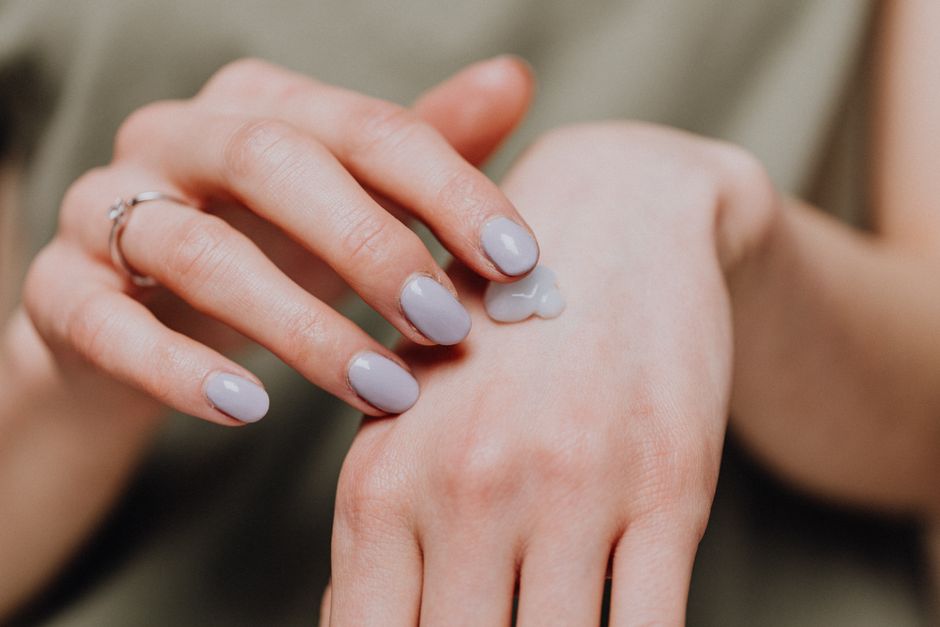
For most dry, sensitive skin, Vanicream Moisturizing Cream is the best starting buy. The 16-ounce pump commonly sells for about $13.59 in the United States, and its formula avoids fragrance, dyes, lanolin, botanical extracts, and essential oils. It is thick enough for winter body dryness, non-comedogenic, and carries the National Eczema Association Seal of Acceptance. Choose it when irritation matters more than a silky finish.
Best value for sensitive skin: Vanicream Moisturizing Cream
Vanicream wins on simplicity and price. Use a small amount on damp face skin if it does not feel too heavy, but use it mainly on hands, arms, legs, and cracked areas. Its weakness is texture: people who dislike a rich cream may apply too little or stop using it. A lighter lotion that you use twice daily beats a heavier cream abandoned after three days.
Best barrier-focused option: CeraVe Moisturizing Cream
CeraVe Moisturizing Cream with a 16-ounce pump was listed around $17.99 in a recent US retail check. It combines ceramides and hyaluronic acid with the brand’s MVE delivery system, which releases moisturizing ingredients over time. Pick it for widespread body dryness or a face that feels tight after cleansing. It gives a smoother finish than Vanicream for many users, but sensitive skin can still react to any formula, so patch-test before applying it everywhere.
Best for very dry, itchy body skin: La Roche-Posay Lipikar AP+M
La Roche-Posay Lipikar AP+M Triple Repair Moisturizing Cream usually costs about $11.49 to $21.99, depending on the size and retailer. The body cream contains shea butter, glycerin, niacinamide, and ceramides, and the brand positions it for very dry skin. Choose it when ordinary lotion fails on the legs, elbows, or torso. It is not the best value if you need a large amount every day, and its richer feel may be uncomfortable under clothing.
When moisturizer is not enough
Should you exfoliate winter flakes?
No. Peeling, scrubbing, or brushing flaky skin can create more irritation and prolong the problem. First restore comfort with gentle cleansing and a cream. Once the skin no longer stings or cracks, you can discuss exfoliating ingredients with a dermatologist if rough texture remains.
When should you choose an ointment?
Choose an ointment for lips, knuckles, fingertips, and small cracks that lose moisture quickly. CeraVe Healing Ointment, a 12-ounce skin protectant often listed around $20.99, is a practical example. Its greasy finish is a trade-off, but that same occlusive layer makes it useful overnight or under cotton gloves.
When should you stop self-treating?
Dryness that becomes painful, bleeds, forms a spreading rash, produces yellow crust, or stays intensely itchy may involve eczema, contact dermatitis, psoriasis, or infection rather than ordinary winter dryness. Seek medical care instead of repeatedly buying stronger skincare. Also stop a product if it causes burning, swelling, hives, or a sudden rash.
The single most important takeaway: protect the barrier with short warm washes and a fragrance-free cream applied to damp skin immediately afterward.
Always consult a qualified healthcare professional before making health-related decisions.