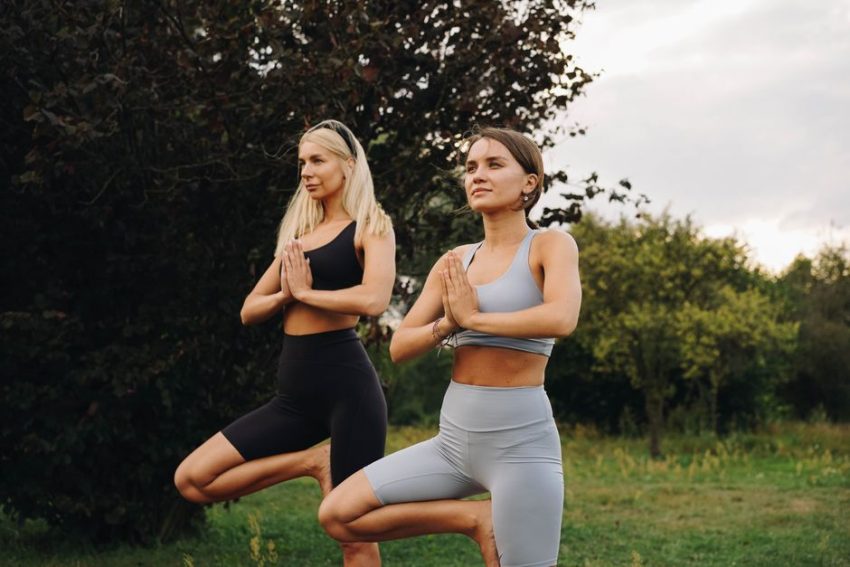
January creates a useful reset, but motivation alone is a weak payment plan for a new fitness habit. A workable home routine needs low setup costs, clear session lengths, and enough recovery to survive the second week.
Why a home workout routine works better than a January challenge
The basic problem is not a lack of exercise ideas. Most people already know that walking, squatting, pushing, and lifting can improve fitness. The real problem is friction: finding time, choosing a workout, changing clothes, and deciding what to do when the first plan becomes too hard.
The first principle is repeatable effort
A useful routine gives you a small amount of work that you can repeat before adding more. For a beginner, three sessions of 20 to 30 minutes can build more momentum than one punishing 75-minute workout each Saturday. The goal for January 2026 is not to prove toughness. It is to create four weekly appointments that still fit after work, school, childcare, or poor sleep.
Use a minimum viable session
Set a floor of 10 minutes. If energy is low, complete a warm-up, two rounds of bodyweight movements, and a short cool-down. That counts. A routine that allows a smaller version has a better chance of surviving busy days than one that treats every missed session as failure.
Start with a clear rule: strength on Monday, easy movement on Wednesday, strength on Friday, and optional walking on the weekend. This structure covers the basics without pretending that January will remove every schedule problem.
How to schedule four weeks of beginner workouts
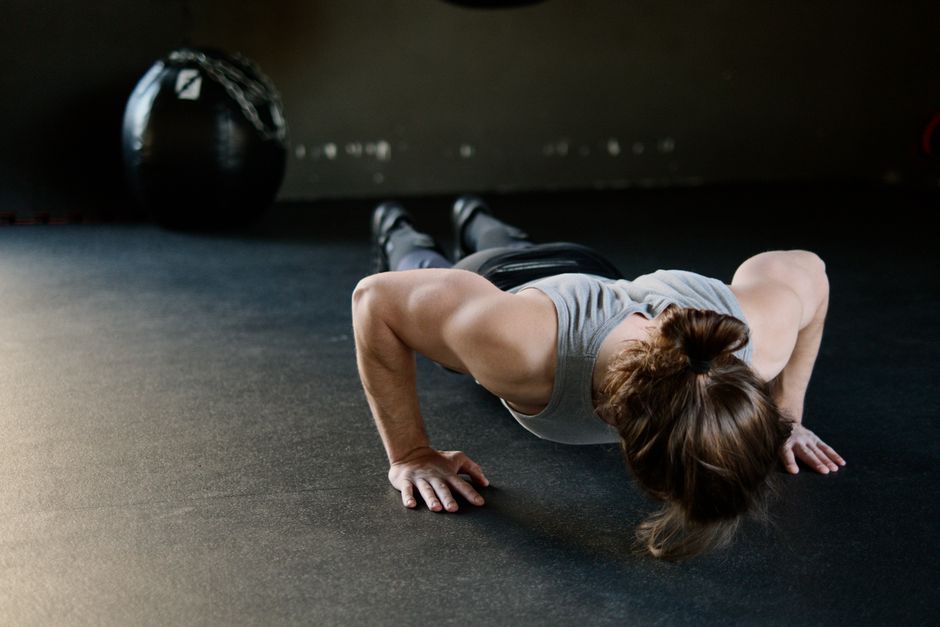
The best January schedule is boring enough to remember. Keep the same training days for four weeks and change only the number of rounds or the exercise variation. That makes progress easier to track and removes the daily decision about what happens next.
A practical weekly template
| Day | Session | Time | Target |
|---|---|---|---|
| Monday | Full-body strength | 25 minutes | 2 rounds, controlled movement |
| Tuesday | Rest or easy walk | 15 to 30 minutes | Keep the pace comfortable |
| Wednesday | Mobility and light cardio | 20 minutes | Move without chasing fatigue |
| Thursday | Rest | — | Sleep and normal activity |
| Friday | Full-body strength | 25 to 30 minutes | 2 or 3 rounds |
| Saturday | Optional walk or bike ride | 20 to 45 minutes | Enjoyable steady movement |
| Sunday | Rest and plan | 10 minutes | Prepare the next two sessions |
Progress without adding chaos
Week one uses two rounds of eight to ten repetitions. Week two keeps the same exercises and adds one or two repetitions. Week three adds a third round only if form remains steady. Week four keeps the workload stable and tests consistency rather than exhaustion.
For guided sessions, Apple Fitness+ lists workouts from 5 to 45 minutes and includes strength, HIIT, yoga, core, cycling, Pilates, dance, and mobility-focused options. Its listed US price is $9.99 per month or $79.99 per year, but a subscription is optional. Free bodyweight sessions can produce the same training pattern when the schedule is clear.
What to do in a 25-minute full-body workout
My strongest recommendation is to build the first month around five movement patterns: sit down and stand up, push, pull, hinge, and brace. This approach gives each workout a job. It also avoids the common beginner mistake of performing random abdominal exercises while ignoring the legs, back, and hips.
Use this exercise order
- Warm-up for five minutes: march in place, circle the shoulders, perform slow bodyweight squats, and take several deep breaths.
- Squat pattern: perform 8 to 12 chair squats. Keep the chair behind you as a depth target, not a place to collapse.
- Push pattern: perform 6 to 12 wall push-ups or incline push-ups against a sturdy counter.
- Hinge pattern: perform 8 to 12 hip hinges. Push the hips back while keeping the spine neutral.
- Pull pattern: use a resistance band row for 8 to 15 repetitions. If you have no band, skip this movement rather than pulling on an unsafe door handle.
- Brace pattern: hold a plank from the knees or hands for 15 to 30 seconds.
- Cool down for three minutes: walk slowly and let breathing return toward normal.
Set an honest effort level
Finish each set with two or three good repetitions still available. You should feel challenged, but you should not need to twist, bounce, or hold your breath to finish. Rest 45 to 90 seconds between movements. If a joint hurts sharply, stop that exercise and switch to an easier variation.
Two rounds take about 20 minutes. Three rounds take about 28 to 32 minutes. That is enough for a beginner who repeats the plan twice each week.
Which home workout equipment is worth the money?
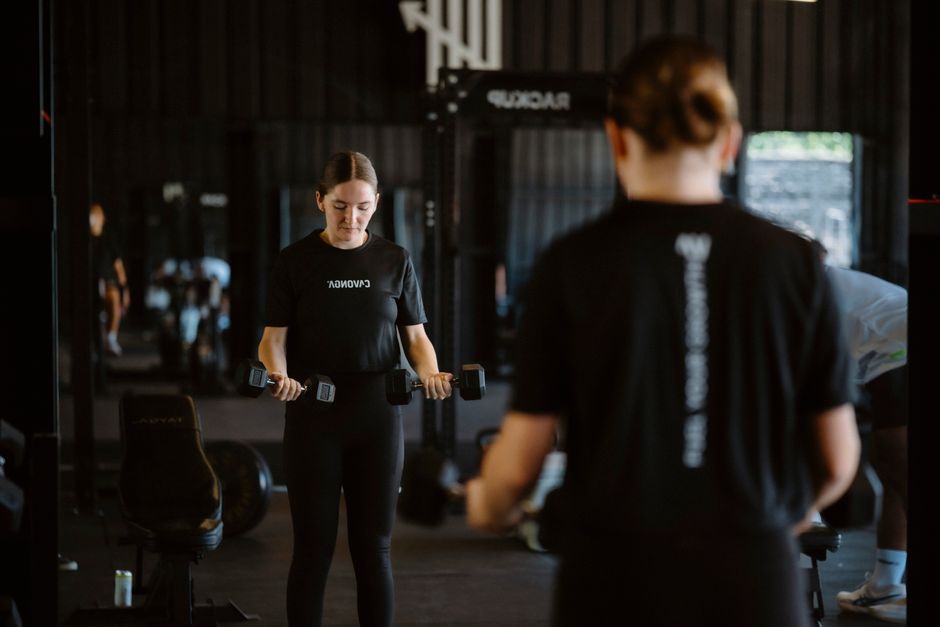
Buy equipment only when it removes a real barrier. A mat can make floor work more comfortable, but it cannot create a habit. Dumbbells can make progressive strength training easier, but they do not replace a schedule. Subscription apps can reduce planning time, but their monthly fees become wasted spending if you do not open them.
The Manduka PRO Yoga Mat is 6 millimeters thick and 71 inches long. It is a serious, durable mat, but its weight and price make it excessive for someone who only needs a clean surface for planks and stretching. For that person, a basic exercise mat is the better financial decision.
The Bowflex SelectTech 552 adjustable dumbbells cover 5 to 52.5 pounds per dumbbell. They make sense for a person who expects to train at home for months and needs several loads without storing a full rack. They do not make sense for a January beginner who has not completed two weeks of bodyweight sessions. That buyer should prove the routine first, then add resistance.
Apple Fitness+ is the clearest choice for someone who hates planning and already owns a compatible Apple device. Nike Training Club is the better low-cost choice for someone who wants guided workouts without committing to a paid membership. The verdict is simple: start with free sessions, then pay for equipment or programming only after the routine earns that expense.
Should beginners use an app, a gym, or no equipment?
Is an app necessary?
No. An app is useful when choosing exercises feels harder than doing them. A written plan works better for someone who prefers low cost and fewer distractions. The best format is the one that lets you begin within five minutes of the planned start time.
When is a gym the better choice?
A gym makes sense when home space is cramped, neighbors complain about impact, or you need heavier equipment than your living room can safely hold. It can also help someone who needs a clear boundary between work and exercise. The tradeoff is money and travel time. A membership with a $40 monthly fee is not cheaper than home training if you attend twice and quit.
When should you avoid buying equipment?
Do not buy equipment to solve a consistency problem. If you have completed fewer than six home sessions, wait. Use a chair, wall, floor, and walking shoes. Buy a mat, bands, or weights after you can explain exactly which exercise they improve and how often you will use them.
How to know when to increase the difficulty
Increase difficulty only after the current version feels controlled. A useful test is three workouts with the same exercise, the same range of motion, and no sharp pain. If you finish each set with more than three easy repetitions available, change one variable.
Progress in small steps
Choose one change: add two repetitions, add one round, slow the lowering phase to three seconds, shorten rest by 15 seconds, or use a harder variation. Do not make all five changes at once. Small steps make it clear what caused extra fatigue.
Use a simple decision rule
If form breaks before the target repetitions, make the movement easier. If form stays clean and breathing returns quickly between sets, add a small amount of work next time. If fatigue lasts more than two days, keep the same workload or remove one round. This is not financial advice, but the same rule applies to your exercise budget: increase spending only after the current commitment produces regular use.
For a January beginner, four weeks of steady sessions is a successful return. The next decision can be specific: keep bodyweight training, add resistance bands, buy adjustable weights, join a gym, or follow a paid program. That choice should follow evidence from your own calendar, not pressure from a New Year advertisement.
Always consult a qualified healthcare professional before making health-related decisions.