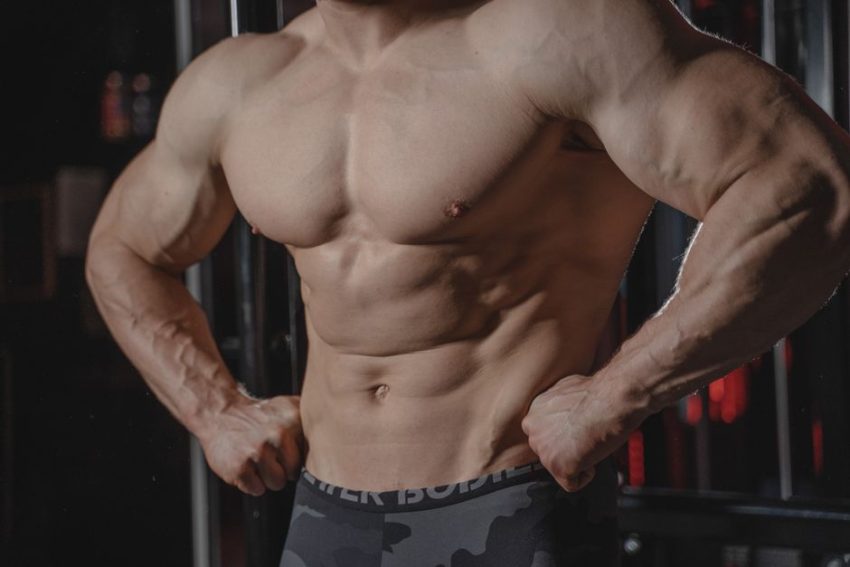
Your bathroom scale is lying to you. Not because it’s broken. Because it lumps everything—muscle, fat, bone, water, last night’s pasta—into one number. That number goes up? You panic. It goes down? You celebrate. But you could be losing muscle while gaining fat and the scale would still show a lower number.
Body composition fixes this. It separates your weight into fat mass and lean mass. When you know those two numbers, you can actually see if your diet and workouts are working.
The Problem with Your Bathroom Scale
Here’s the short version: a standard scale can’t tell the difference between a pound of muscle and a pound of fat. That’s it. Anyone who’s started lifting weights and watched the scale stay the same—or go up—knows this frustration.
What Body Composition Actually Is
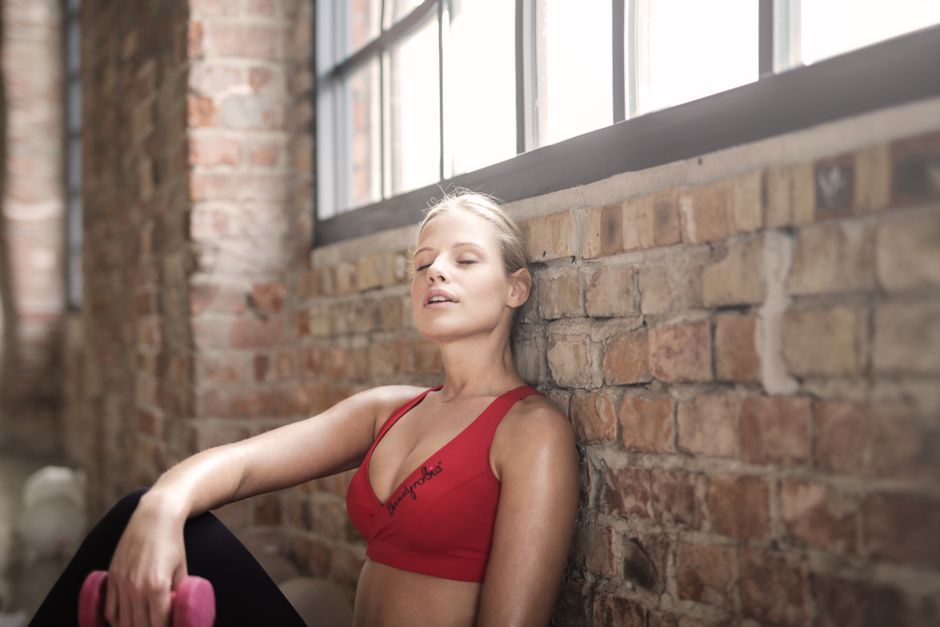
Body composition is the proportion of fat, muscle, bone, and water in your body. The key metric is body fat percentage—the amount of your total weight that’s fat tissue. Someone who weighs 180 pounds with 15% body fat carries 27 pounds of fat and 153 pounds of lean mass (muscle, organs, bone, water).
Healthy body fat ranges vary by age and sex. For men, 10–20% is generally lean and healthy; for women, 18–28% is typical. Athletes go lower. Below essential fat (around 3% for men, 12% for women) you risk organ damage and hormone disruption. So “less fat” isn’t always better.
When you lose weight without tracking composition, you might drop muscle. Studies show that up to 25% of weight lost on a calorie deficit without strength training can come from lean tissue. Keeping muscle is crucial—it’s metabolically active, burns calories, and keeps you functional. A 2018 review in the Journal of the American Medical Association found that higher muscle mass is associated with lower risk of all-cause mortality. So the goal isn’t just a smaller number, it’s a better ratio.
Water weight adds another layer. Carbohydrate storage ties up water (about 3–4 grams of water per gram of glycogen). Cut carbs, you drop several pounds in a few days—which is water, not fat. Scale victory, body composition loss. That’s why two people at the same weight can look completely different. The one with lower body fat percentage will look leaner, even if the scale says the same.
BMI vs. Body Composition: Why That Chart is Useless for You
Body Mass Index (BMI) uses only height and weight. It labels muscular people as “overweight” or “obese” all the time. LeBron James in his prime had a BMI around 27, which is “overweight.” Absolute nonsense. BMI was designed for population studies in the 1800s, not individual health assessment. Skip it. If your doctor still relies solely on BMI, ask for a body composition test.
5 Ways to Measure Body Fat Percentage at Home (Without Stupid Gimmicks)

You need an actual method. Here are the five most practical options, ranked from easiest to most accurate.
- Smart scales with BIA (bioelectrical impedance analysis). These send a tiny electrical current through your body to estimate water and fat. Examples: Withings Body Cardio ($150), Renpho Smart Scale ($30), Fitbit Aria Air ($50). They’re convenient but can fluctuate with hydration. For best consistency, weigh yourself first thing in the morning after using the bathroom and before drinking. The absolute number might not be spot-on, but the trend over months will tell you if you’re losing fat or lean mass.
- Skinfold calipers. You pinch fat at specific sites (chest, thigh, abdomen) and use a chart. A set of Accu-Measure Fitness 3000 calipers costs $10. This method requires practice—take three readings at each site and average. Accuracy depends on the user, but it directly measures subcutaneous fat. Avoid on very obese individuals where skinfolds become unreliable.
- DEXA scan (dual-energy X-ray absorptiometry). The gold standard. It scans your body with low-dose X-rays and gives bone density, lean mass, and fat mass, segmented by body region. Cost: $50–$150 per scan. You’ll find DEXA services at sports medicine clinics, universities, or body composition labs. Do one every 6 months to track real change. It’s the only method that tells you if your right leg is gaining muscle while your left leg isn’t.
- InBody or professional BIA devices. Machines like the InBody 270 (found at many gyms and nutrition shops) use multi-frequency BIA with hand and foot electrodes. More accurate than a bathroom scale. Tests usually cost $20–$50, or are included in a membership. They print a full report showing segmental lean mass—so you can spot imbalances.
- Progress photos and tape measure. Not a body fat percent, but practical. Wrap a flexible measuring tape around your waist, hips, chest, arms, and thighs. If your waist shrinks by 2 inches while weight stays the same, you’ve lost fat and kept muscle. Combined with monthly photos in the same lighting, it’s free and brutally honest.
Measurement Methods Comparison Table
| Method | Cost | Typical Accuracy | Ease of Use | Best For |
|---|---|---|---|---|
| Bathroom Scale | $20–$60 | Weight only, no composition | Very easy | Not for composition |
| Skinfold Calipers (Accu-Measure) | $10–$30 | Moderate (±3–5%) with skilled user | Requires practice | Track skinfold trends over time |
| Smart BIA Scale (Withings Body Cardio $150, Renpho $30) | $30–$150 | Moderate (±3–5%), highly hydration dependent | Very easy | Daily trending at home |
| Professional BIA (InBody 270) | $20–$50 per test | Good (±2–3%) | Easy, but need location | Quarterly check-ups |
| DEXA Scan | $50–$150 per scan | Very high (±1–2%) | Requires appointment | Precise composition feedback, every 6 months |
| Tape Measure & Photos | $5 for tape | Subjective, but useful | Easy | Real-world progress when weight stalls |
Common Body Composition Myths (Quick Answers)

Does muscle weigh more than fat?
A pound is a pound. Muscle is denser than fat, so it takes up less space. One pound of muscle is about the size of a tangerine; one pound of fat is like a small grapefruit. That’s why you can drop a clothing size without losing a pound.
Can I be “heavy but lean”?
Absolutely. If your body fat percentage is in the healthy athletic range, your weight doesn’t matter. Many strength athletes weigh over 200 pounds with visible abs. Don’t chase a number; chase composition.
If I’m losing weight, am I automatically losing fat?
No. Without protein intake and resistance training, the body breaks down muscle for fuel. A 2016 study in Obesity found that people on a weight loss program lost an average of 1.4 kg of lean mass for every 5 kg of total weight lost. That’s almost 30%. Use composition tracking to make sure your weight loss is fat loss.
How often should I check my body fat percentage?
Daily BIA scale readings are fine for trends, but don’t obsess over single numbers. For DEXA or InBody, every 3–6 months is plenty. Track your waist measurement weekly. That tells you more.
You’ll never look at your bathroom scale the same way again. Next time you step on it and the number hasn’t budged, don’t freak out. Grab a tape measure, check your progress photos, or schedule a DEXA scan. Because the real goal isn’t weight loss—it’s building a body with less fat and more muscle. That number on the scale is just a ghost.
Medical Disclaimer: This content is for informational purposes only and does not constitute medical advice. Always consult a qualified healthcare professional before making health-related decisions.