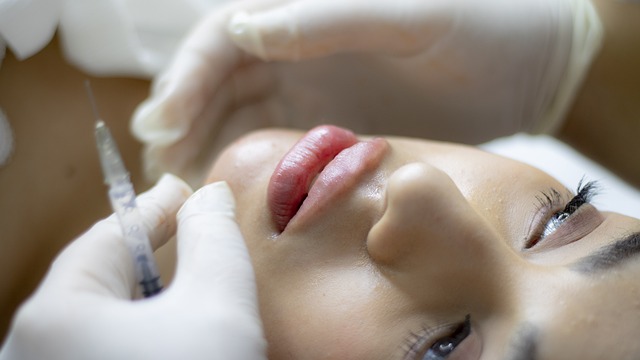
Lip lines — those vertical creases that radiate from the edges of your mouth — are not just a moisture problem. They are driven by UV damage, collagen loss, and years of repetitive muscle movement. Most people throw a rich cream at them and wonder why nothing changes. Here is what actually makes a dent.
Why Lip Lines Form — and Why Your Moisturizer Cannot Fix Them
The skin around your mouth is structurally different from the rest of your face. It is thinner, it has almost no sebaceous glands, which means it produces virtually no natural oil, and it is physically attached to the orbicularis oris — the circular muscle that controls every lip movement. Every time you speak, sip, smile, or pucker, that muscle contracts. Multiply those contractions by thousands per day across decades, and you get permanent creases etched into thin, collagen-depleted skin.
That is just the mechanical side. The biochemical side is worse.
Collagen Loss Is the Root Cause
After 30, the body produces roughly 1% less collagen per year. Around the mouth, that loss is compounded by the gradual shrinkage of structural fat pads — the ones that used to plump the skin from beneath. Once that internal scaffolding goes, the skin folds more easily, and those fold lines become permanent. By the time most people notice lip lines, they have had years of subclinical thinning happening underneath the surface.
Ultraviolet A rays accelerate the damage significantly. They penetrate deep enough to break down both collagen and elastin fibers, and the skin above the upper lip gets considerable sun exposure — especially in people who spend time outdoors without sunscreen applied specifically to that area. UV damage is cumulative and largely invisible until it is not.
Smoking pushes the process into overdrive. The chemicals in cigarette smoke directly degrade collagen, and the constant puckering motion adds thousands of extra contractions daily on top of what normal speech and eating already contribute. Studies consistently show that smokers develop perioral wrinkles up to a decade earlier than non-smokers. If you smoke, that single variable has more impact than every serum on the market combined.
Why Basic Moisturizers Fall Short
A moisturizer plumps surface cells temporarily by drawing water into the epidermis. You look a bit smoother for a few hours. But it does nothing for lost collagen, muscle-driven creases, or UV-induced structural damage. Shea butter, coconut oil, and emollient-heavy creams are comfort measures — not treatment.
The skin barrier around the lips also tends to be compromised in people who frequently lick their lips or live in dry climates. Saliva evaporates fast and strips what little moisture the area has. A compromised barrier means active ingredients penetrate poorly and irritants get in easily — a double loss when you are trying to make real progress.
Understanding these mechanisms determines your entire strategy. You are not fighting surface dryness. You are fighting structural degradation, UV damage, and mechanical wear. Those require specific tools, not just richer moisturizer.
Retinol Is Your Most Effective Topical Weapon Against Perioral Lines
Retinol is the most evidence-backed topical ingredient for lip lines. Period. It works by binding to retinoid receptors in the skin, stimulating fibroblasts to produce collagen, and accelerating cell turnover so thicker, smoother skin replaces the old. The evidence is not soft: a 2019 study in the Journal of Drugs in Dermatology found measurable improvement in perioral fine lines after 12 weeks of consistent 0.1% retinol use. Prescription tretinoin (0.025%–0.05%) works faster, but over-the-counter retinol delivers real results with patience.
Which Retinol to Start With
For beginners, RoC Retinol Correxion Line Smoothing Serum at 0.1% retinol (around $25) is a solid entry point. Widely available, well-tolerated, and backed by decades of real-world use. If you are prone to sensitivity, La Roche-Posay Retinol B3 Serum uses encapsulated retinol that releases slowly — this cuts down irritation significantly while still building toward results. On the budget end, Differin Adapalene Gel 0.1% costs about $13 at most pharmacies. It is technically a retinoid rather than retinol, but it is gentle enough for nightly use and has solid clinical backing for collagen remodeling.
Do not start above 0.3% concentration around the mouth. The skin there is thin and sensitizes fast. Peeling and flaking do not signal faster progress — they signal a compromised barrier, which actually slows the collagen-building work you are after.
How to Apply Retinol Around the Mouth Without Wrecking Your Skin
Apply retinol to completely dry skin. Wet skin increases absorption rate, and around the mouth that means more irritation with no added benefit. Use a pea-sized amount for the entire lower face including the upper lip area. Do not apply it directly onto the lip itself. Follow immediately with a ceramide-rich moisturizer: CeraVe Moisturizing Cream or Vanicream Moisturizing Skin Cream both function well as buffer layers that allow the retinol to work while protecting the barrier. Start with two nights per week, build to every other night over four to six weeks, then nightly if your skin handles it.
SPF on the Lip Line Is the Prevention Step Most People Skip
Most people apply sunscreen to their cheeks, nose, and forehead — and stop there. The skin directly above the upper lip gets substantial UV exposure every single day and is almost always unprotected. Apply a dedicated facial SPF all the way to the lip line each morning: EltaMD UV Clear SPF 46 and Supergoop! Unseen Sunscreen SPF 40 both absorb cleanly without residue or white cast. This takes five seconds and costs almost nothing per application. It is the simplest preventive move on this list, and it is the one most people consistently miss.
Barrier Repair and Hydration Stop Lip Lines From Looking Worse
Retinol is the offense. Barrier repair is the defense. When the skin around your mouth is dehydrated or structurally compromised, lines appear significantly deeper — and active ingredients cannot penetrate or function properly. This part of the routine often gets skipped because it feels basic, but it is what separates retinol working from retinol just causing irritation for months with no visible payoff.
Here are the ingredients worth prioritizing in this area:
- Hyaluronic acid — Pulls water into the skin and plumps surface cells temporarily. The Ordinary Hyaluronic Acid 2% + B5 ($10) applied on damp skin and sealed with moisturizer gives immediate visual improvement. Not a long-term fix on its own, but it makes lines look less visible while other treatments do the structural work.
- Ceramides — Repair the lipid barrier between skin cells. Non-negotiable if you are using retinol, which disrupts the barrier in the short term. CeraVe Moisturizing Cream and La Roche-Posay Cicaplast Baume B5 are the standard choices, both under $20.
- Peptides — Signal fibroblasts to produce more collagen. The Ordinary Buffet (~$15) and Olay Regenerist Micro-Sculpting Cream both contain peptide complexes with clinical data supporting their use. Not as fast-acting as retinoids, but they stack well used on alternating nights.
- Niacinamide — Strengthens the barrier, reduces redness, and improves overall texture. Paula’s Choice 10% Niacinamide Booster (~$44) is a concentrated option. Many drugstore moisturizers now include 5% niacinamide as a standard ingredient.
One thing most routines overlook: the lip itself. Lip skin has zero oil glands and loses moisture constantly. Laneige Lip Sleeping Mask ($24) applied nightly keeps the lip tissue hydrated and reduces the dry-crack-expand cycle that stresses the surrounding skin. For a step up, SkinMedica HA5 Rejuvenating Hydrator ($178) layers hyaluronic acid across multiple molecular weights for deeper tissue penetration — worth it if the perioral area is your primary concern and budget allows.
Morning and Evening Routine, Simplified
Morning: cleanser, then hyaluronic acid on damp skin, then ceramide moisturizer, then SPF applied all the way to the lip line. Evening: cleanser, then retinol on dry skin two to three nights per week when starting, then barrier cream. On non-retinol nights, use a peptide serum before moisturizer. Consistency over six to twelve weeks is where results come from — not switching products every few weeks hoping for faster payoff.
Habits That Make Lip Lines Worse — And What to Actually Do
Does Drinking Through a Straw Cause Lip Lines?
Yes, with context. One straw per day is not going to etch permanent wrinkles overnight. But people who drink through straws for several hours daily — iced coffees, smoothies, hydration bottles — add thousands of puckering contractions on top of everything the mouth already does. Musicians who play wind instruments and people in professions that require constant speaking often see accelerated perioral lines for the same mechanical reason. You do not need to eliminate straws entirely. But if you are drinking through them for hours per day, that is a real contributing variable worth reducing.
Is Side Sleeping Making It Worse?
Yes, and it is significantly underappreciated. Pressing your face into a pillow for seven to eight hours creates sustained compression wrinkles. Around the mouth, this typically shows up as deeper lines on the side you favor. A silk or satin pillowcase — the Blissy Mulberry Silk Pillowcase runs about $80 — reduces friction and compression compared to standard cotton. Sleeping on your back eliminates the issue entirely, but that is a difficult behavioral change for most people. The pillowcase is the practical middle ground that actually gets used.
Does Facial Yoga Around the Mouth Actually Help?
Be skeptical. Facial exercises increase repetitive muscle movement, and more mouth movement means more mechanical creasing — the opposite direction from where you want to go. The theoretical argument is that stronger underlying muscles provide better support for overlying skin. Plausible, but controlled trials specifically examining perioral line reduction through facial exercises have not validated this. The safer bet is consistent topicals and sun protection rather than adding deliberate puckering and pursing to your daily routine.
At-Home Tools vs. Professional Treatments: What Each One Actually Does
Once you have built a consistent baseline routine, layering in additional treatments is reasonable. Here is how at-home tools and professional procedures compare specifically for lip lines:
| Treatment | Mechanism | Timeline | Cost | Best For |
|---|---|---|---|---|
| OTC Retinol (0.1–0.3%) | Collagen stimulation, cell turnover acceleration | 8–12 weeks | $13–$45 | Fine surface lines; long-term maintenance |
| Tretinoin (Rx 0.025–0.05%) | Faster retinoid-driven remodeling | 6–8 weeks | $20–$80 with prescription | Moderate lines; faster results than OTC retinol |
| Derma roller (0.25mm) | Micro-injury triggers collagen response | 3–6 months | $20–$60 for device | Boosting product penetration; modest standalone reduction |
| Botox Lip Flip | Relaxes orbicularis oris; reduces dynamic puckering | 3–5 days onset | $100–$300 per session | Dynamic lines that appear with movement; lasts 3–4 months |
| HA Fillers (Juvederm, Restylane) | Adds volume, smooths perioral area structurally | Immediate | $600–$1,200 per syringe | Deep static lines and significant volume loss; lasts 6–12 months |
| Fractional Laser (Fraxel) | Surface texture refinement plus deep collagen remodeling | 2–4 weeks post-treatment | $1,000–$2,500 per session | Moderate to severe perioral lines; meaningful texture improvement |
| RF Microneedling (Morpheus8) | Microneedling combined with radiofrequency for deep tightening | 4–8 weeks | $800–$2,000 per session | Skin laxity and deeper static creases; typically 3 sessions needed |
The at-home tier is where you start. Professional treatments amplify results but do not replace the foundation. A Botox lip flip on skin that has never seen retinol or SPF is a short-term fix layered on top of continuing degradation — you spend money to tread water. Build the baseline first.
When to Stop DIY and See a Dermatologist
Six months of consistent retinol, SPF, and barrier repair is a fair trial. If you are still genuinely unhappy with the depth of your lines after that timeline, topicals have hit their ceiling for you. Deep static lines — the ones clearly visible when your face is completely at rest — are driven by structural volume loss and collagen breakdown that no topical reverses. A board-certified dermatologist can assess whether a Botox lip flip, hyaluronic acid filler, or laser treatment is appropriate for your specific anatomy. Doubling down on over-the-counter products for another year hoping for a breakthrough is not a strategy.
Strategy Summary- Retinol first — RoC Retinol Correxion ($25) or La Roche-Posay Retinol B3 for sensitive skin. Start 2 nights per week, build slowly over 4–6 weeks.
- SPF every morning — EltaMD UV Clear SPF 46 or Supergoop! Unseen SPF 40. Apply all the way to the lip line, not just forehead and cheeks.
- Barrier repair daily — Ceramides (CeraVe), hyaluronic acid (The Ordinary), peptides (Olay Regenerist). Non-negotiable alongside retinol use.
- Address contributing habits — Silk pillowcase if you side sleep, reduce high-volume straw use, skip perioral facial yoga exercises.
- Professional options when topicals plateau — Botox lip flip ($100–$300), HA fillers like Juvederm or Restylane ($600–$1,200 per syringe), Fraxel laser ($1,000–$2,500). These address what no cream can touch.
Medical Disclaimer: This content is for informational purposes only and does not constitute medical advice. Always consult a qualified healthcare professional before making health-related decisions.